





Introduction — Sacred Encounter: Orthodox and Catholic Traditions Under Ravenna’s Dome
Ravenna is a city where the stones still speak. Set in Emilia-Romagna, a breath from the Adriatic, it preserves a unique treasure: a Byzantine legacy of sacred decoration. Here, domes and vaults are more than architectural feats; they stage a millennia-old meeting of rites, aesthetics and theology. The glittering mosaics—golden figs, deep azures and painstakingly placed tesserae—tell biblical stories, but they also reveal how Eastern Orthodoxy and Western Catholicism lived side by side, conversed and sometimes confronted one another beneath the same plaster-and-mortar skies.
In this post I’ll walk you, step by step, through the sites that make this dialogue visible: the Basilica di San Vitale, the Mausoleo di Galla Placidia, the Battistero Neoniano (Baptistry of Neon), the Basilica di Sant’Apollinare Nuovo, and out to Sant’Apollinare in Classe. Each spot offers a different visual and spiritual reading—a blend of liturgy, iconography and religious politics—and I’ve added essential practical info: full addresses, opening hours, prices in euros, tips for photographing, tricks to avoid the crowds, and visit routes smoothed out by on-the-ground knowledge.
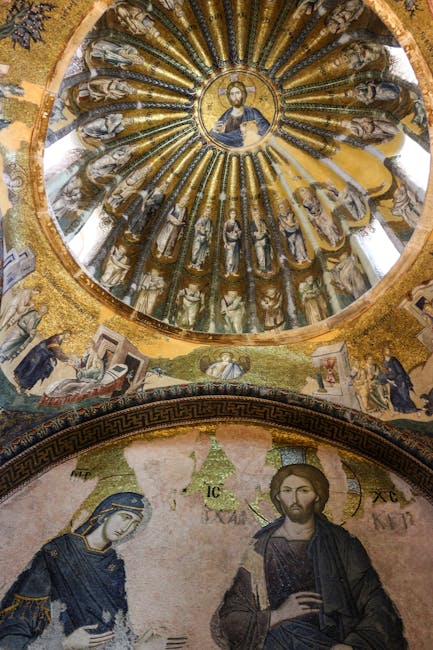
This guide is more than a description; it’s immersive. I describe the light pouring through a dome at different hours, the rustle of pilgrims, the texture of mosaics under the fingertips (even if you don’t touch), and how sacred designs seem to shift in depth depending on where you stand. You’ll learn to spot elements from the Orthodox tradition—icons of Christ Pantocrator, golden mandorlas, saints shown bust-style—and those that reflect Western sensibilities—more linear narrative scenes, Latin inscriptions, relics of local martyrs.
Finally, Ravenna is not just an open-air museum; it’s a living town. Churches still host services, pilgrimages and sometimes ecumenical ceremonies. Liturgical and visual coexistence is therefore alive today. Whether you come on a spiritual pilgrimage, to admire Byzantine art, or simply out of historical curiosity, you’ll leave changed: witnessing Orthodox sacredness and Catholic ritual under the same dome shows how art has served as a bridge language, a patient translator and reconciler of sometimes-opposed traditions.
 Click here to book a guided tour of the monuments and mosaics
Basilica di San Vitale and the Mausoleo di Galla Placidia — Two Neighbors, Two Voices
Address and access:
- Basilica di San Vitale — Piazza San Vitale, 1, 48121 Ravenna RA, Italy
- Mausoleo di Galla Placidia — Via San Vitale, 17, 48121 Ravenna RA, Italy (adjacent to the basilica)
Opening times and prices (check before you visit):
- Basilica di San Vitale: usually open daily, 9:00–19:00 (longer hours in summer). Admission: around €10–12 (combined ticket with the Mausoleo may be available—check the ticket office).
- Mausoleo di Galla Placidia: often open 9:00–18:30. Individual ticket: about €3–4. Frequently included in the combined ticket for Ravenna’s Byzantine monuments.
Immersive description:
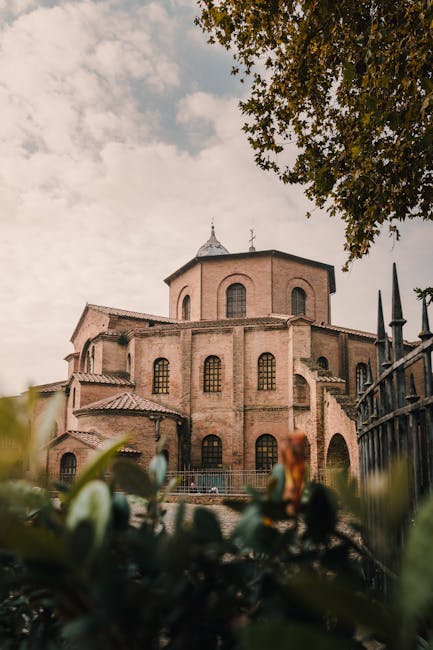
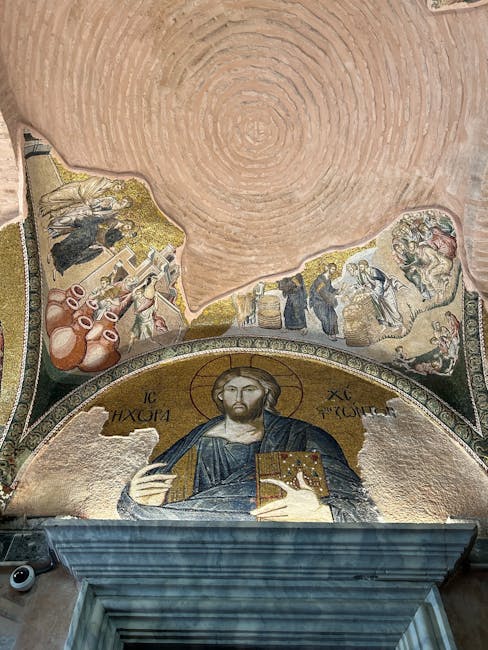
The Basilica di San Vitale is Ravenna’s monumental jewel; its octagonal architecture creates a spatial dialogue unheard-of in 6th-century Latin West. Your eye is immediately drawn to the abundance of mosaics: evangelic scenes, apostles and imperial gifts. Under the dome the Christ Pantocrator watches—a motif common to Eastern piety—yet the basilica also carries Western elements, like imperial images of Justinian and Theodora that testify to the overlap of ecclesiastical and secular power.
Just a few steps away, the small, almost discreet exterior of the Mausoleo di Galla Placidia hides an interior starry sky of mosaics whose chromatic intensity is breathtaking. Here the depiction of the Good Shepherd and early Christian scenes convey an intimate spirituality, close to the liturgical practices that fed the early Church. The contrast between San Vitale’s monumentality and the Mausoleum’s intimacy illustrates the range of sacred language you’ll find in Ravenna.
Practical tips:
- Arrive early (or late afternoon) for raking light on the mosaics and to avoid tour groups. The best photos of gilded mosaics are usually taken between 9:00–11:00 and 16:00–18:00, depending on the season.
- Buy a combined ticket: get a cumulative pass for San Vitale + Mausoleo + Galla Placidia to save money and skip separate queues.
- Follow the rules: no flash photography inside, dress modestly (shoulders covered). Local guides can offer invaluable insight into Byzantine iconography.
Click here to buy tickets for the UNESCO-listed mosaics
Battistero Neoniano and Basilica di Sant’Apollinare Nuovo — Baptism and Procession
Address and access:
- Battistero Neoniano (Baptistry of Neon) — Piazza Duomo, 48121 Ravenna RA, Italy
- Basilica di Sant’Apollinare Nuovo — Via di Roma, 53, 48121 Ravenna RA, Italy
Opening times and prices (seasonal):
- Battistero Neoniano: typically open 9:00–18:00. Price: about €3–4 (often included in a combined ticket for the historic center’s monuments).
- Basilica di Sant’Apollinare Nuovo: often open 9:00–17:30. Admission: around €5–7.
Immersive description:
The Battistero Neoniano is one of Ravenna’s oldest Christian monuments and a key place to understand baptismal symbolism in the transition between Eastern and Western rites. The circular interior, crowned with 4th–6th-century mosaics, depicts Christ’s baptism and a miraculous fishing scene where the figures, arranged in a circular motion, evoke the sacred water that cleanses and transforms. This architecture and imagery reflect a shared theology of baptism, even if liturgical forms later diverged between traditions.
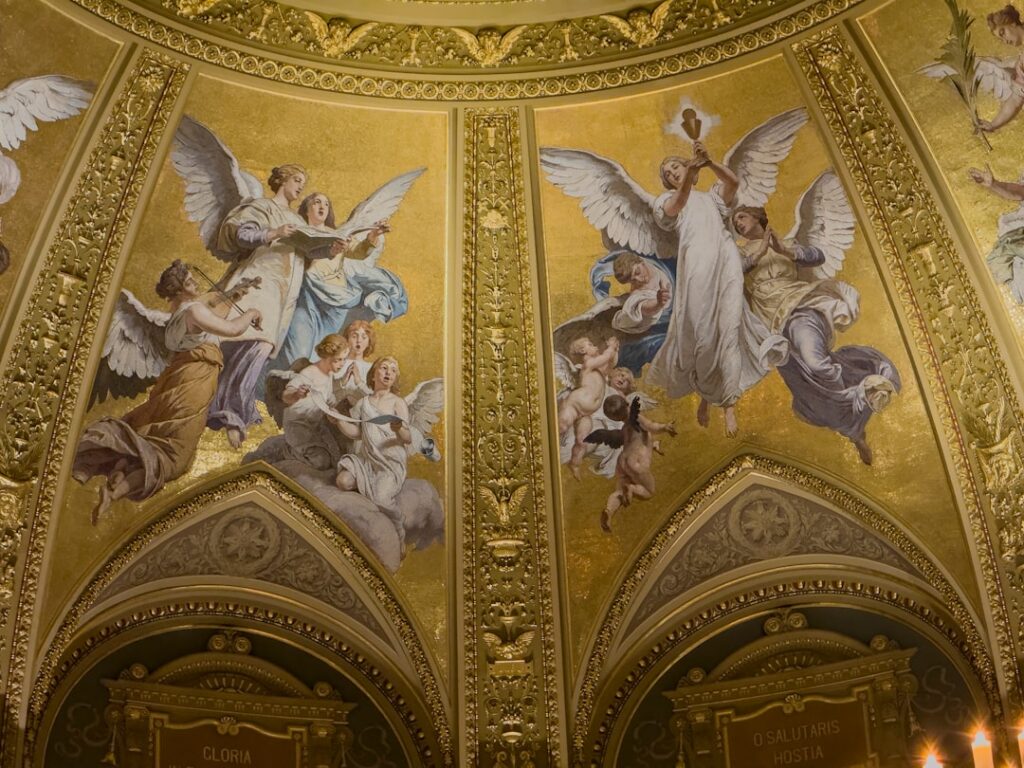
A few hundred metres away, the Basilica di Sant’Apollinare Nuovo presents a consecutive program of images—processions of saints and gospel scenes running along the nave. The mosaics at Sant’Apollinare Nuovo show the structure of Christian procession: kings, bishops and martyrs parading in sequence, underscoring the role of public liturgy in shaping communal memory. The elongated faces, stylized halos and otherworldly colors belong to a clearly Byzantine aesthetic influenced by a local evangelizer, yet the narrative space is deeply rooted in Western ecclesial practice.
Practical tips:
- To experience the baptistry’s acoustics, politely ask if a short vocal recording or prayer can be played—some time slots include small liturgical demonstrations.
- Wear comfortable shoes: the historic center is best explored on foot; distances between sites are short but pavements can be uneven.
- Prefer a combined ticket to include Battistero Neoniano, San Vitale and the Mausoleo; it avoids buying separate admissions at each site.
Click here to explore the UNESCO mosaics with a guide
Sant’Apollinare in Classe and the Edges of Liturgy — Exterior and Silence
Address and access:
- Basilica di Sant’Apollinare in Classe — Via Romea Sud, 224, 48125 Classe, Ravenna RA, Italy (about 7 km from Ravenna’s center)
Opening times and prices (subject to seasonal changes):
- Sant’Apollinare in Classe: typically open 9:00–18:00, sometimes closed on Mondays. Admission: around €5–8 (variable with temporary exhibitions).
Immersive description:
Sant’Apollinare in Classe is the last stop on a route that deepens the sacred/communal relationship. Located near the old Classe port, the basilica rises solemnly in a more open, almost rural landscape. Inside, a vast apse mosaic of Saint Apollinaris in majesty dominates. Here the saint, the choir of sheep (typical of early Christian iconography) and the liturgical composition show how Byzantine art was adapted to a Western diocesan context.
The atmosphere differs from the historic center: there’s more space, a silence that lets you hear the wind and imagine ancient processions. This is a place where the Orthodox theology of the image and local Catholic piety meet in a visual liturgy that privileges symbolic order over narrative citation. Pilgrims sometimes travel far to celebrate solemn Masses here, and in summer sacred music concerts are occasionally held, taking advantage of the nave’s broad acoustics.
Practical tips:
- Transport: take the local bus (extra-urban line) or rent an electric bike from the center for about a 30-minute ride. Check bus timetables (ATB/Start Romagna depending on season).
- Guided tours: choose a guided visit that includes the historical context of the Classe port—this adds an essential layer of interpretation.
- Photography: obey the signs; flash is often prohibited to preserve the mosaics’ polychromy.
Click here to book an electric-bike tour of Ravenna
Ecumenical Practices and Living Rituals — Where and When to Watch
Practical times and addresses for services and events:
- Basilica di San Vitale — Piazza San Vitale, 1: occasional Masses and concerts. Check with the parish office for the schedule.
- Cattedrale di Ravenna (Duomo) — Piazza Duomo, 2, 48121 Ravenna RA: a Gothic/Renaissance cathedral mixed with Byzantine elements; regular Catholic services: Sunday 10:00 (check the diocesan calendar).
- Orthodox services (occasional): some local Orthodox parishes and visiting communities hold services in Church Slavonic, Greek or other languages in partner venues—contact local religious communities for details.
Immersive description:
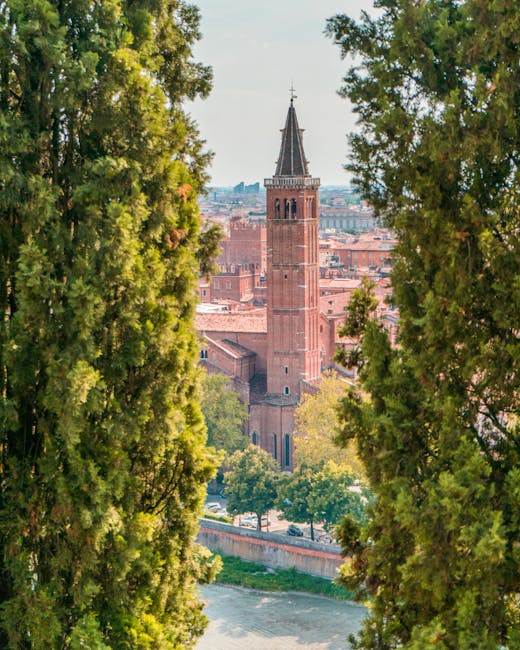
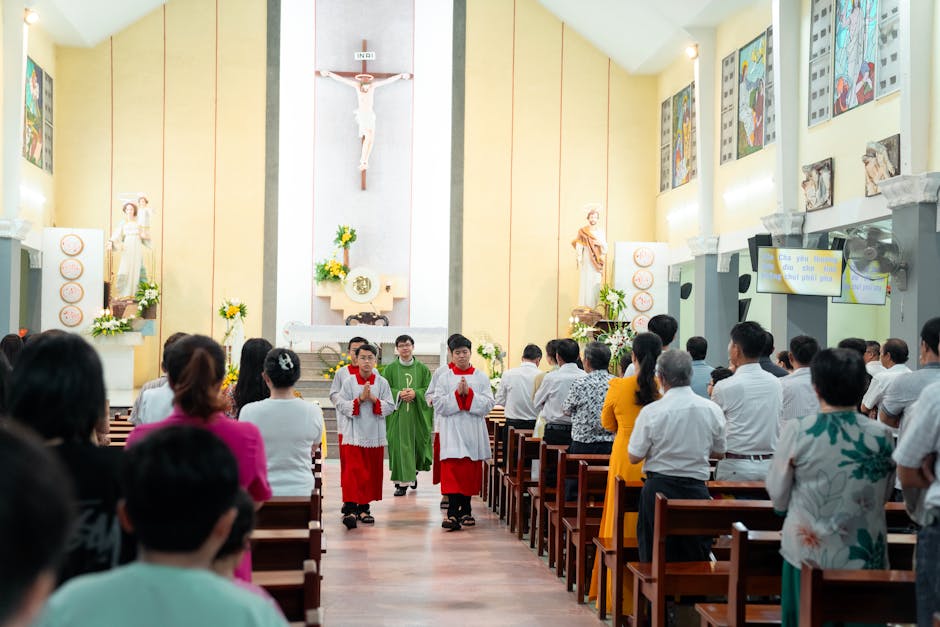
The meeting of Orthodox and Catholic traditions in Ravenna isn’t only a history lesson; it’s occasionally a living event. Sacred-music concerts in the Basilica di San Vitale and theological symposia draw priests and scholars from both traditions. On special occasions—commemorations of local saints, ecumenical dialogues—you can witness deep exchange: joint readings of hagiographies, shared exhibitions of icons and relics, or interconfessional services focused on religious heritage.
Practical tips for attending:
- Contact the ufficio turistico (Ravenna Tourist Office — Via Corrado Ricci, 1, 48121 Ravenna) for ecumenical events and to reserve places for liturgical concerts.
- Respect the rites: if you attend an Orthodox liturgy, wait for guidance on making the sign of the cross, entering sacred space and receiving communion (rules differ by tradition).
- Languages: many events are presented in Italian; Orthodox services may be in Greek, Slavonic or Italian. Local parishes can often provide translations or explanatory leaflets.
Local Practical Tips — Logistics, Tickets and Where to Eat
Tickets and reservations:
- Combined tickets / Museum Pass: Ravenna often offers cumulative tickets for San Vitale, Mausoleo di Galla Placidia, Battistero Neoniano, Sant’Apollinare Nuovo and the Museo Arcivescovile. Combined price roughly €12–15 (varies by season and discounts).
- Purchase: buy tickets in advance online via official sites or at the kiosks near Piazza San Vitale to skip lines. Card payments are generally accepted.
Useful opening-hour notes:
- Monument hours can change in low season; always check « Ravenna Turismo » or contact the tourist office before you go.
- Quiet hours: noon–14:00 and late afternoon are often less crowded, but some churches close for a lunch break. Plan accordingly.
Where to eat and drink after your visit:
- Ristorante Ca’ de Vèn — Via IV Novembre, 56, 48121 Ravenna RA: traditional Romagna cuisine, dishes €10–20.
- Trattoria al Cerchio — Via IV Novembre, 32, 48121 Ravenna RA: fresh pasta, menus from about €12.
- Caffè del Teatro — Piazza San Francesco, 7, 48121 Ravenna RA: coffee and aperitifs, perfect for a break between visits.
Transport and accommodation:
- Getting around: Ravenna’s center is very walkable. For Sant’Apollinare in Classe, use the bus or rent an electric bike.
- Accommodation: pick a place in the historic centre (around Piazza del Popolo or Via Cavour) to stay close to the monuments. Prices: charming B&Bs €60–120 per night depending on season.
Click here to book a walking tour focused on the mosaics
Conclusion — Under One Dome, Two Languages of the Sacred
Ravenna is a place where religious traditions read like geological strata: layers laid down over a long and complex history, fractures and restorations. Beneath the gilded domes you can see the convergence of sacred languages: Byzantine iconography that speaks in symbols and mystery, and the Latin liturgy that leans toward narrative and communal memory. More than opposing elements, it’s the space of their meeting that captivates. The mosaics of San Vitale, the staged scenes of the Mausoleo di Galla Placidia, the intimacy of the Baptistry of Neon, the frozen procession of Sant’Apollinare Nuovo and the pastoral silence of Sant’Apollinare in Classe form a polyphonic choir where sacred art acts as mediator.
Visiting Ravenna means entering a visual and spiritual dialogue: watching, listening and sometimes kneeling to feel the continuity between Orthodoxy and Catholicism. It also means understanding how political and religious powers used images to assert truths and gather the faithful. For the traveler, the key is slowness: take time to read the mosaics, note the inscriptions and let a local expert help decode symbols that at first glance appear arcane. Ravenna will give you more than a tour: an experience where East and West whisper beneath the dome and, through their encounter, reveal the depth of a shared heritage.
Click here to book an exclusive private tour of Ravenna