





Introduction — Ravenna Revealed: Your Guide to Byzantine Mosaics
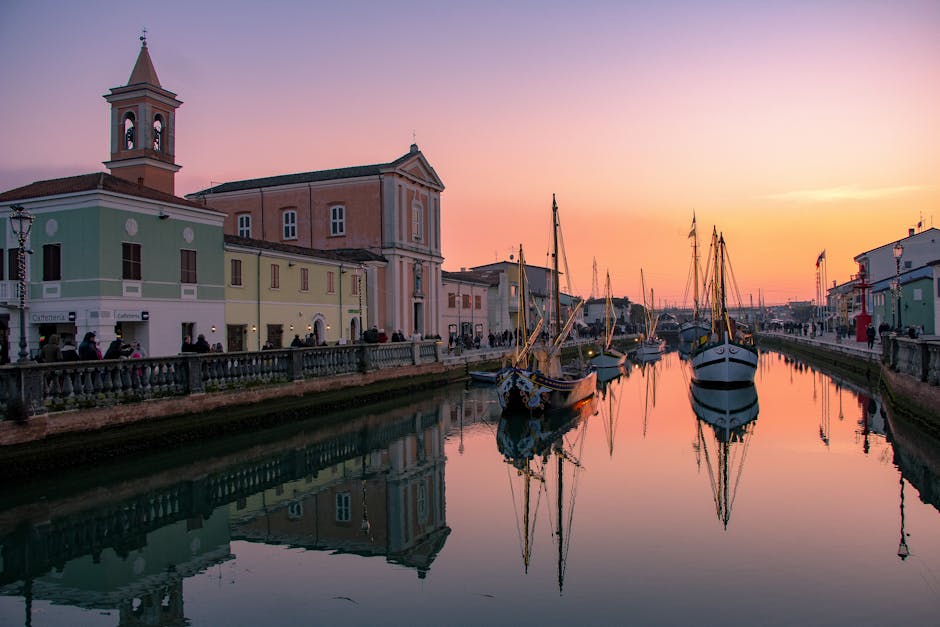
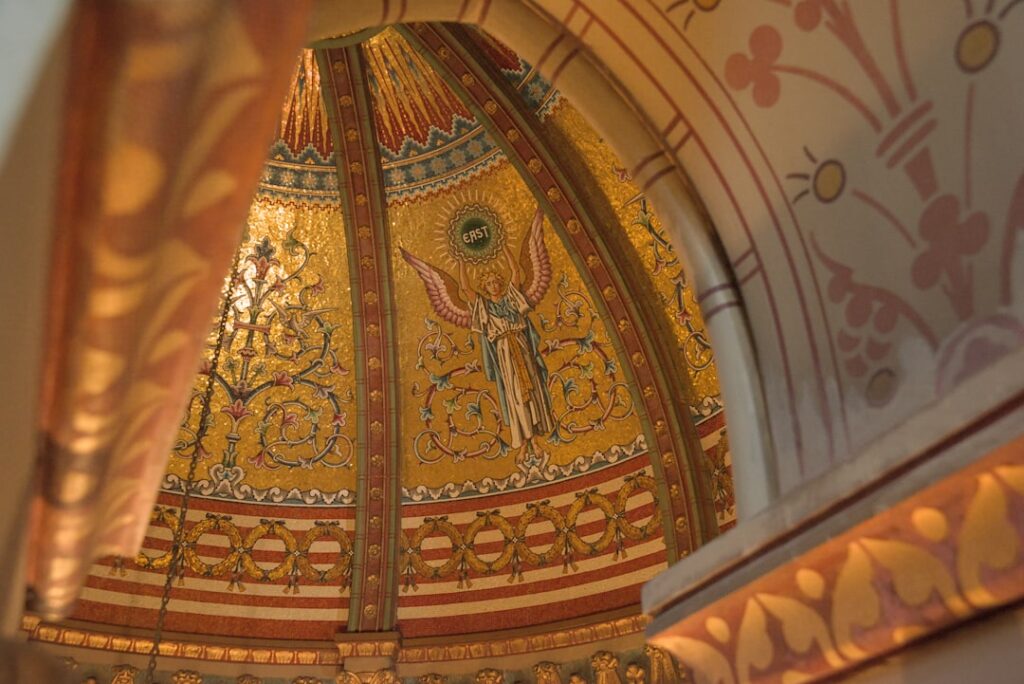
Ravenna, a city of water and light on the Adriatic coast, is one of Europe’s best-preserved artistic treasures. Once an imperial capital during the Byzantine era, it boasts an extraordinary collection of monuments adorned with polychrome mosaics that impress with their finesse, emotional impact, and state of preservation. These panels of tesserae—tiny cubes of colored glass, stone and gold—tell religious stories, hagiographic episodes and political messages in a visual language that is at once abstract and deeply human. For travelers fascinated by art history, architecture and sensory experiences, Ravenna is an open-air museum where every church or mausoleum becomes a stage of light.
This “Ravenna Revealed” itinerary is designed as a practical, general guide: it offers an immersive reading of the main mosaic sites, practical information (precise addresses, opening hours, ticket prices in euros) and local tips to make the most of your visit. You’ll find a logical progression to understand different artistic phases—especially from the 4th to the 6th centuries—as well as suggestions for planning a one-day, two-day or longer trip. Each monument is described with sensory detail: how the mosaics respond to different angles of light, the height of the decorations, iconographic themes and the emotional effect each ensemble has on visitors.
Ravenna is not just a collection of mosaics: it’s a living city with cafés, shady squares, trattorie and markets. Between visits, take time for an espresso in a little piazza, a stroll along a canal or a tasting of piadina di Romagna in an osteria. Finally, keep a few practical rules in mind: most sites require individual or combined tickets (check official prices before you go), some monuments close on Mondays or operate reduced hours in low season. This guide gives you reliable reference points and options to shape your discovery according to your interests and pace.
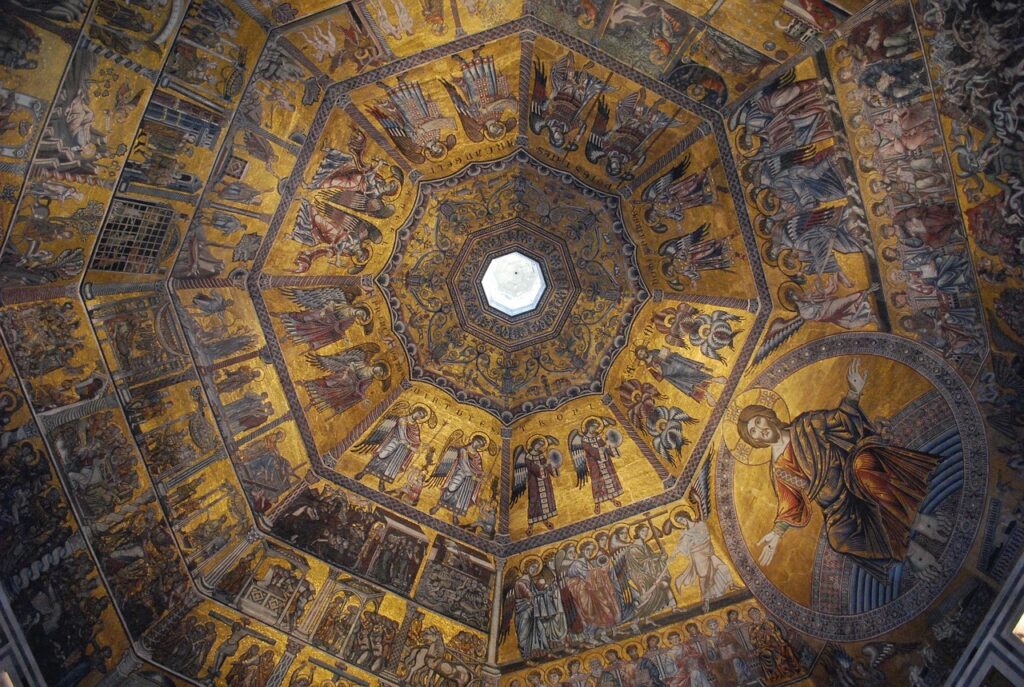
Major sites and how to link them — quick map and practical addresses
Ravenna is best explored on foot or by bike: most monuments are concentrated within a walkable perimeter from the historic center. To plan your route, here are the must-see sites, their exact addresses, practical notes and a short description to orient your visit. Always check official opening times and whether reservations are required (some sites limit entries for conservation reasons).
-
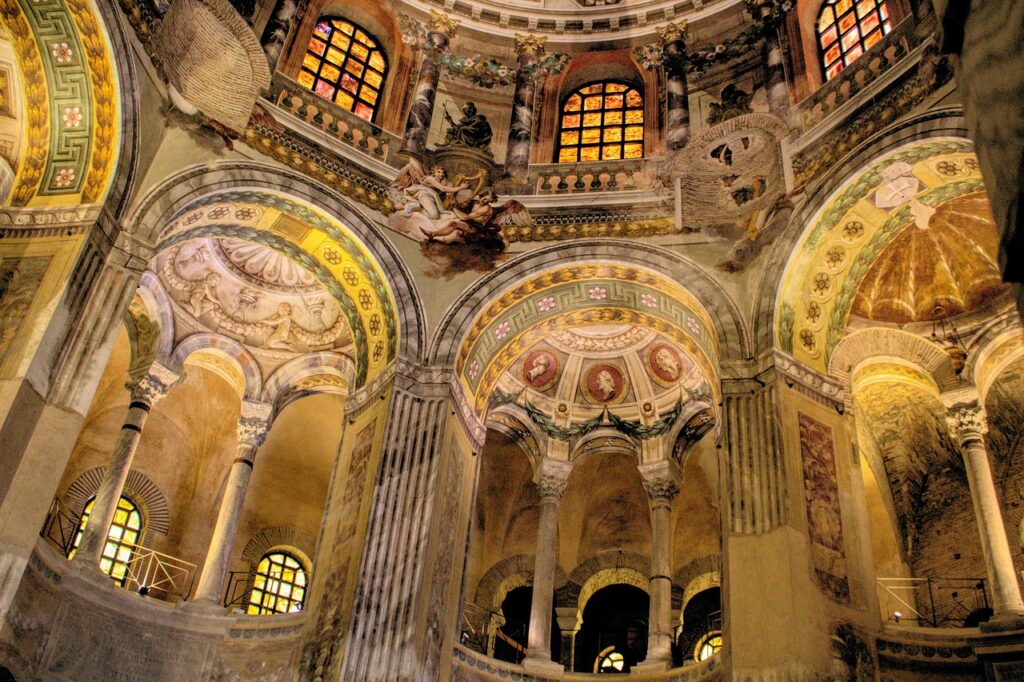
Basilica di San Vitale
Address: Piazza San Vitale, 1, 48121 Ravenna RA, Italy.
Typical opening hours: 09:00–19:00 (last entry 18:30). Possible morning closures on Mondays or reduced winter hours.
Indicative prices: combined ticket San Vitale + Mausoleo di Galla Placidia: around €9.00–€12.00 per adult. Reduced rates for students/young people/groups. Free entry on certain public holidays according to the municipal calendar.
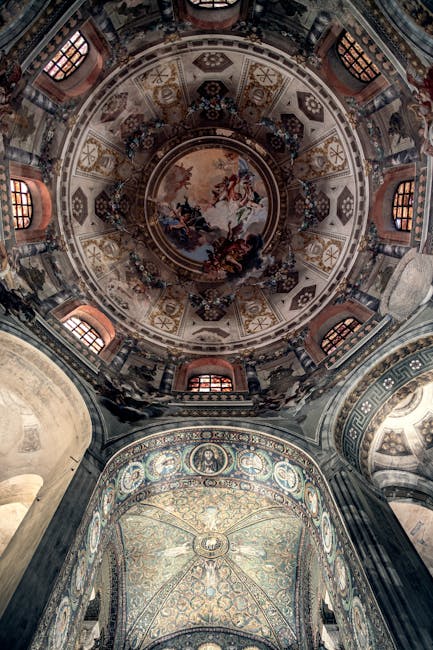
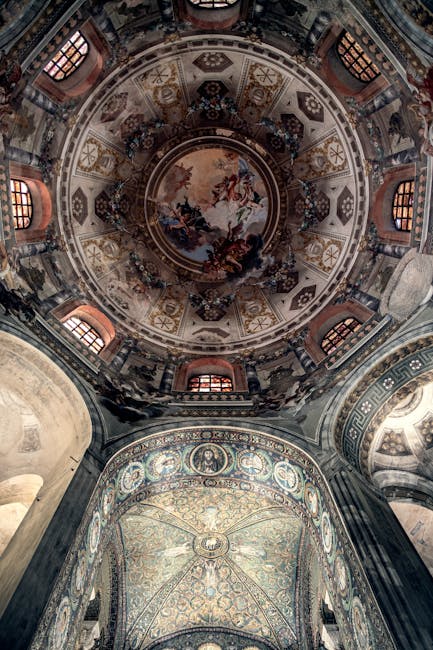
Description: a 6th-century Byzantine masterpiece, the basilica stands out for its dome, polylobed arches and, above all, the vast golden mosaics covering the apse and choir walls. The sense of depth comes from hammered gold leaf placed behind the glass tesserae, producing a luminosity that shifts with the angle of sunlight. -
Mausoleo di Galla Placidia
Address: Via Argentario, 22, 48121 Ravenna RA, Italy.
Typical opening hours: 09:00–18:00 (last entry 17:30). Sometimes closed on Wednesdays or during religious ceremonies.
Indicative prices: often included in the combined ticket with San Vitale (see above). Individual entry possible: around €5.00–€7.00.
Description: a small cruciform building with an intimate charm, famous for its starry mosaic ceilings and sacred scenes rendered with remarkable economy of means. The gold and deep blue create a striking contrast in this dimly controlled interior. -
Battistero Neon (Orthodox Baptistery or « Battistero degli Ortodossi »)
Address: Piazza Duomo, 48121 Ravenna RA, Italy (next to the Cattedrale di Ravenna).
Typical opening hours: 09:00–17:30. Occasionally closed during Sunday mass or ceremonies.
Indicative prices: €3.00–€6.00 depending on ticket bundles. Reductions for students and children.
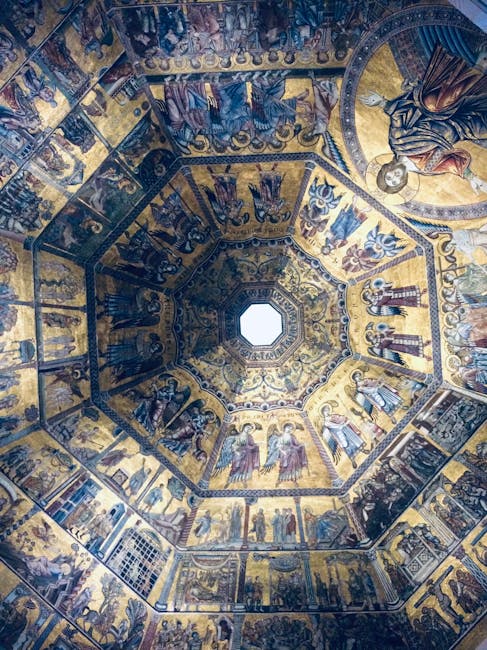
Description: the baptistery dazzles with its mosaic dome depicting Christ immersed in a celestial bath, surrounded by blessings and angelic figures. It’s one of the best-preserved examples of early Christian mosaic art dedicated to the sacrament of baptism. -
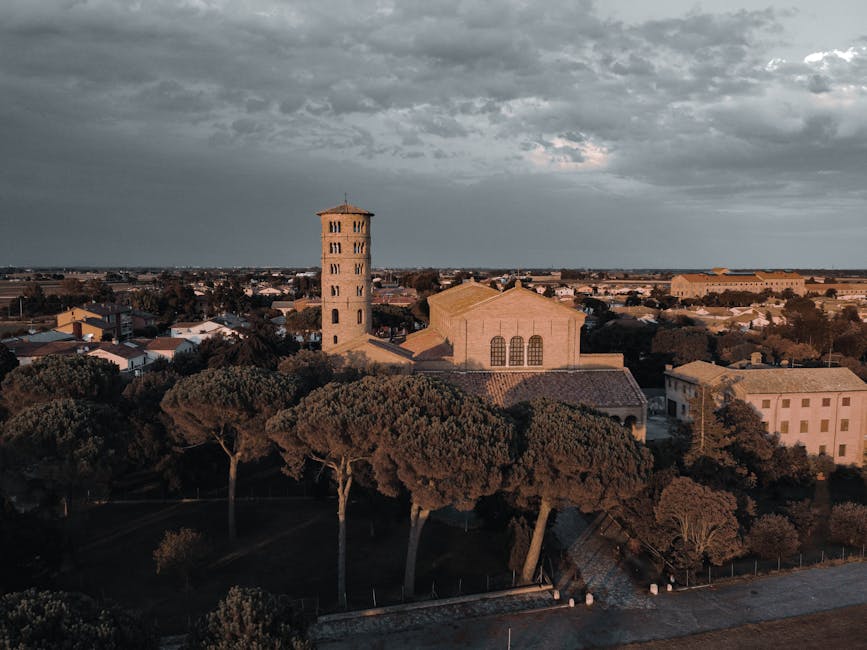
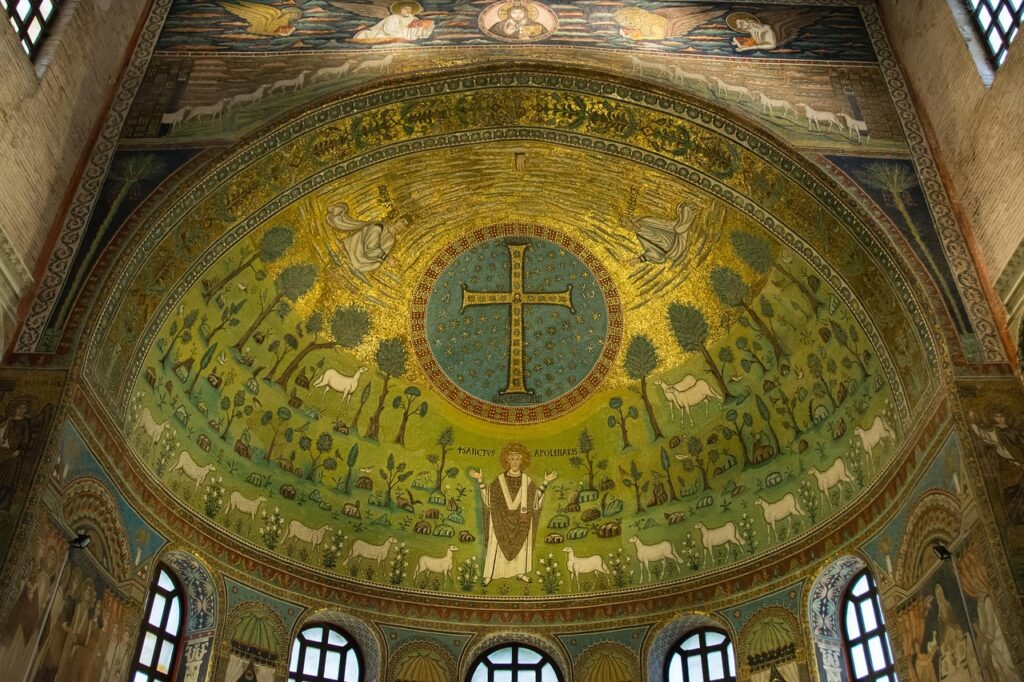
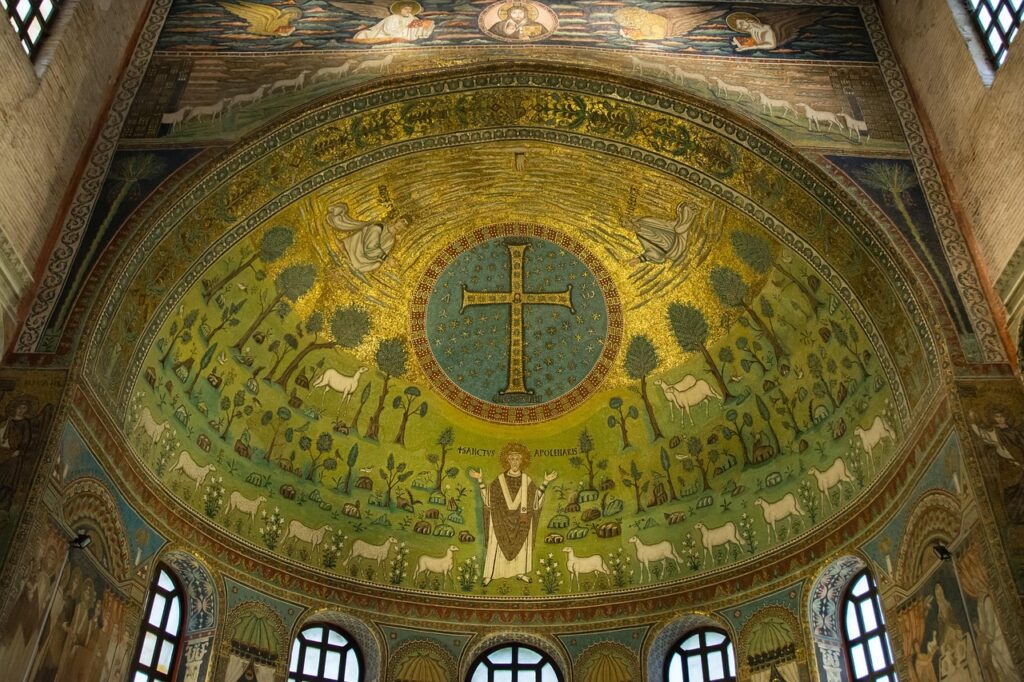
Basilica di Sant’Apollinare Nuovo
Address: Via di Roma, 52, 48121 Ravenna RA, Italy.
Typical opening hours: 08:30–12:30 and 15:00–17:30 (hours vary by season).
Indicative prices: around €4.00–€6.00 entry. Sometimes included in municipal cultural routes.
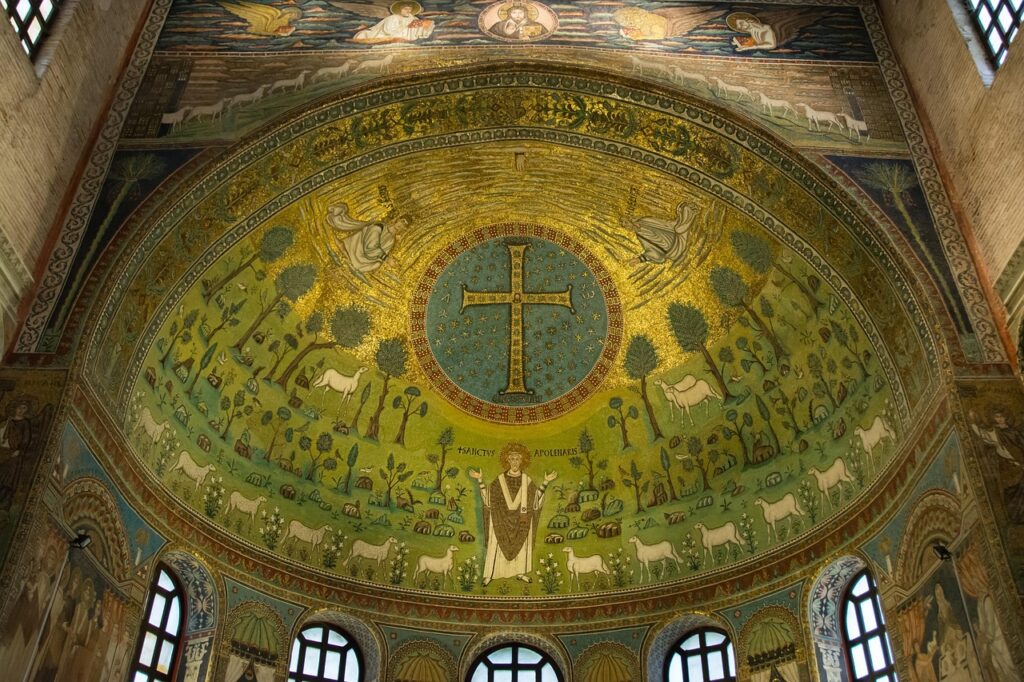
Description: a long basilican nave lined with extensive mosaic friezes that depict processions and holy figures—a true narrative in color unfolding along the side walls. The iconography often illustrates the transition between late Roman art and Byzantine aesthetics. -
Basilica di Sant’Apollinare in Classe
Address: Via Romea Sud, 224, 48125 Classe RA, Ravenna, Italy (about 8 km south of the historic center).
Typical opening hours: 09:00–18:00 (possible winter closures—check before you go).
Indicative prices: entry around €6.00–€8.00. Accessible by city bus from the main station (local line to Classe).
Description: set apart from the center, this basilica preserves a monumental apse covered with an image of Christ in Majesty and saints, in a space that conveys the grandeur of Byzantine liturgy. Its out-of-town location adds a sense of calm and historical distance. -
Museo Nazionale di Ravenna (including the Sant’Apollinare Nuovo chapel and relics)
Address: Piazza San Francesco, 5, 48121 Ravenna RA, Italy (depending on the service, some rooms are located within former monuments).
Typical opening hours: 09:00–18:00. Closed on certain public holidays, possibly closed on Mondays.
Indicative prices: €6.00–€10.00 depending on temporary exhibitions; reduced rates for EU residents under 26. The museum complements the mosaic experience with liturgical objects, fragments and explanatory panels in several languages.
Description: ideal for placing the works in their historical context, the museum offers educational paths, models and documents explaining mosaic technique, the political background of Byzantine Ravenna and the evolution of artistic forms.
Practical tip: many monuments accept card payments, but it’s useful to have a few euros in cash for small purchases or at more modest sites. Combined tickets (San Vitale + Mausoleum + others) often save money. Religious services can limit access to churches: the best strategy is to arrive early in the morning (or late afternoon) to enjoy the mosaics with fewer people around.
Suggested two-day itinerary — pace, visit times and foodie breaks
For a balanced exploration, I recommend allocating at least two days in Ravenna if you want time to enter each site, read the labels and absorb the spaces. Below is a detailed itinerary including approximate visit durations, lunch breaks and alternatives depending on the weather.
Day 1 — Morning: San Vitale and Mausoleo di Galla Placidia
Arrive at opening (09:00) to the Basilica di San Vitale (Piazza San Vitale, 1). Allow 60–90 minutes to see the basilica, the choir and dome, and to listen to any available audio-guide explanations. Then cross the small piazza to the Mausoleo di Galla Placidia (Via Argentario, 22). The intimate scale of the mausoleum deserves 30–45 minutes; it’s a perfect spot for quiet contemplation. Combined entries: budget €9.00–€12.00 per person.
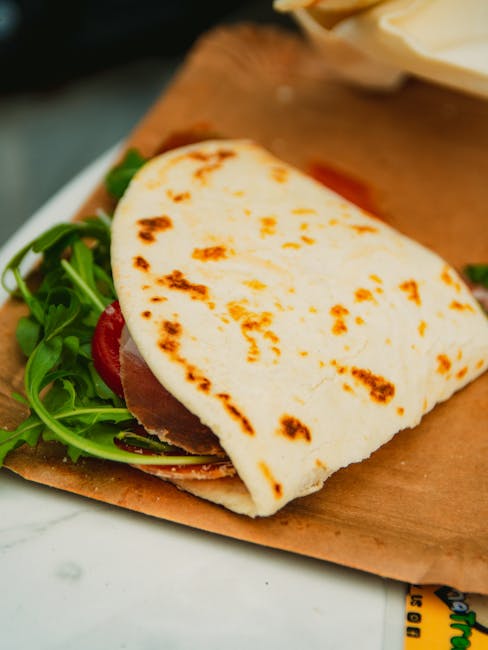
Lunch break: head to Via IV Novembre or Via Cavour where several trattorie and cafés are clustered. Local food tip: try the Romagna piadina at an osteria (average price: €6–€10 for a filled piadina) and pair it with a glass of Sangiovese di Romagna.
Day 1 — Afternoon: Battistero Neon and Basilica di Sant’Apollinare Nuovo
After lunch, head to the Battistero Neon (Piazza Duomo). A 30–45 minute visit is enough to admire the mosaic dome and the baptismal symbolism. Then walk to the Basilica di Sant’Apollinare Nuovo (Via di Roma, 52). Plan 45–60 minutes here to read the long narrative frieze, spot the figures and understand how the liturgical procession is depicted. Separate entries for these two sites: €3.00–€6.00 for the baptistery and €4.00–€6.00 for Sant’Apollinare Nuovo.
Day 2 — Morning: Museo Nazionale and urban wanderings
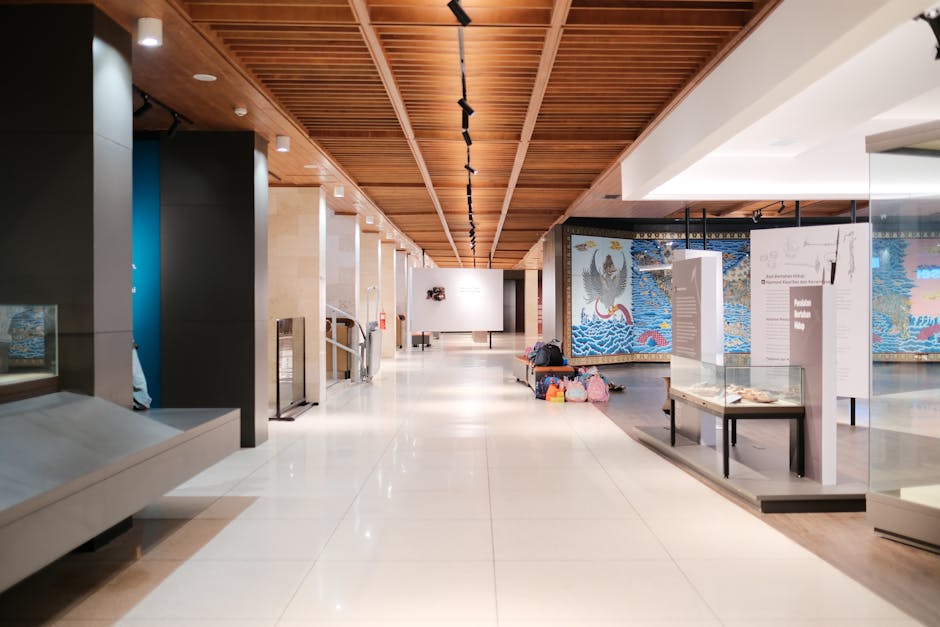
Start at the Museo Nazionale di Ravenna (Piazza San Francesco, 5) at opening (09:00): allow 1–2 hours for the permanent rooms. The museum contextualizes the mosaics and provides valuable technical insight. Then lose yourself in the narrow streets to discover local crafts and bookstores specializing in art history. Coffee break at a pasticceria: a cornetto and an espresso (around €3–€4).
Day 2 — Afternoon: trip to Classe for Sant’Apollinare in Classe
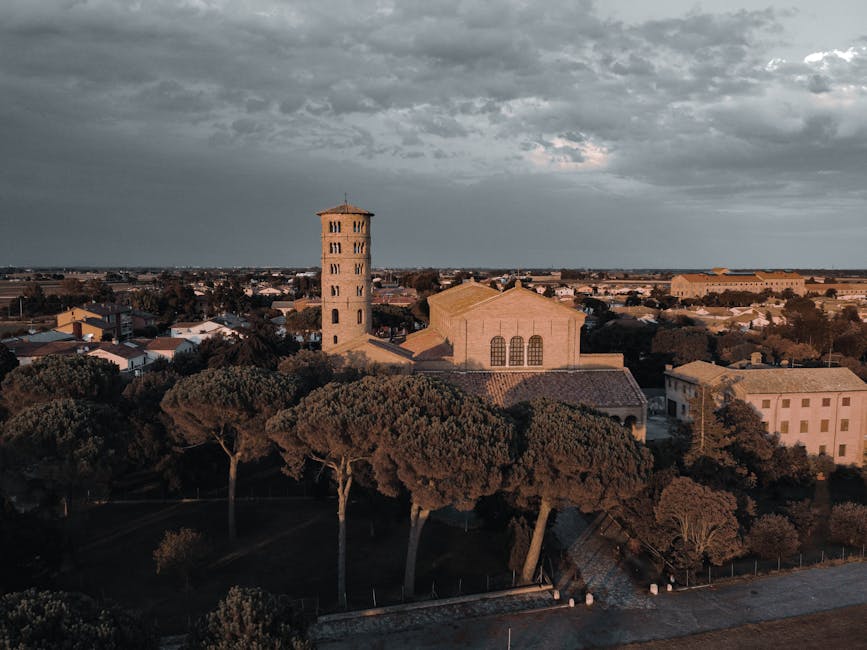
Spend the afternoon at the exceptional Sant’Apollinare in Classe (Via Romea Sud, 224). Allow time for the journey (city bus 4/5, taxi or an electric bike if the weather’s fair). The site’s distance from the center heightens the experience: the basilica opens onto a more rural setting and offers a face-to-face encounter with monumental mosaics. Recommended time: 1–1.5 hours. Entry: around €6.00–€8.00. Return to town for dinner at a trattoria—favor fish dishes and local wines (budget €20–€35 per person for a full meal).
Logistics tips: wear comfortable shoes (floors can be ancient and uneven), protect your camera gear (some sites prohibit flash) and schedule frequent breaks: the visual intensity of the mosaics can be tiring. If you’re a photographer, check photo policies: sometimes non-flash photography is allowed, but certain areas are strictly protected.
Immersive descriptions of the major mosaics — iconography, techniques and emotions
Ravenna’s mosaics are more than images: they are volumes of light and surfaces that catch the eye through reflections, color rhythms and iconographic compositions. Understanding what you’re looking at enriches the visit. Below is an in-depth reading of some emblematic ensembles.
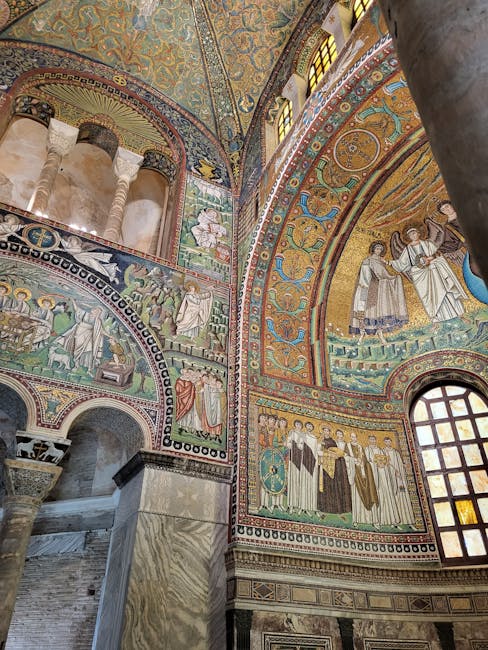
San Vitale — The apse, Justinian and Theodora: the basilica presents two major political and liturgical images. On one side, Emperor Justinian, surrounded by courtiers and clergy, wears imperial colors (purples, gold) and offers a host—symbolizing the bond between temporal power and religious authority. On the other, Theodora, lavishly dressed, is depicted with her court in a parallel scene. San Vitale’s mosaics combine Byzantine frontality with Roman depth: study the folds of garments, the use of gold tesserae set against blue backgrounds and the mirror-like effect created by polished surfaces. Technique: glass and gold tesserae placed into fresh mortar, oriented carefully to catch the light.
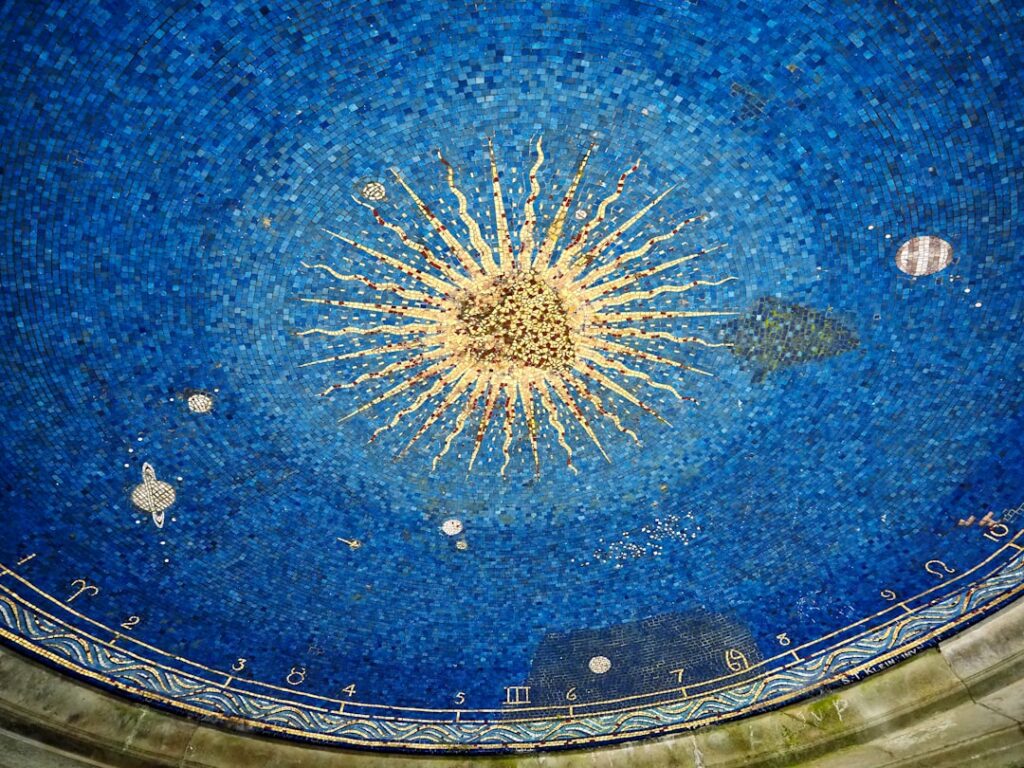
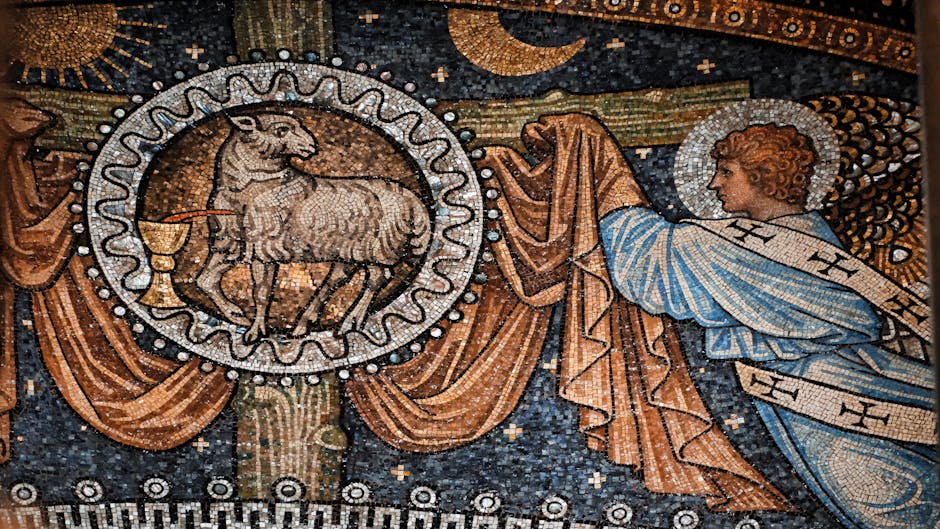
Mausoleo di Galla Placidia — The starry ceiling: here, the compact architecture intensifies the mosaic effect. The ceiling is a firmament studded with golden stars on a deep blue field, while the walls show saints, lambs and pastoral scenes expressing hope in eternal life. The tesserae are closely set and worked to achieve subtle gradients. The contrast of gold and blue creates a feeling of sacred intimacy, nearly theatrical.
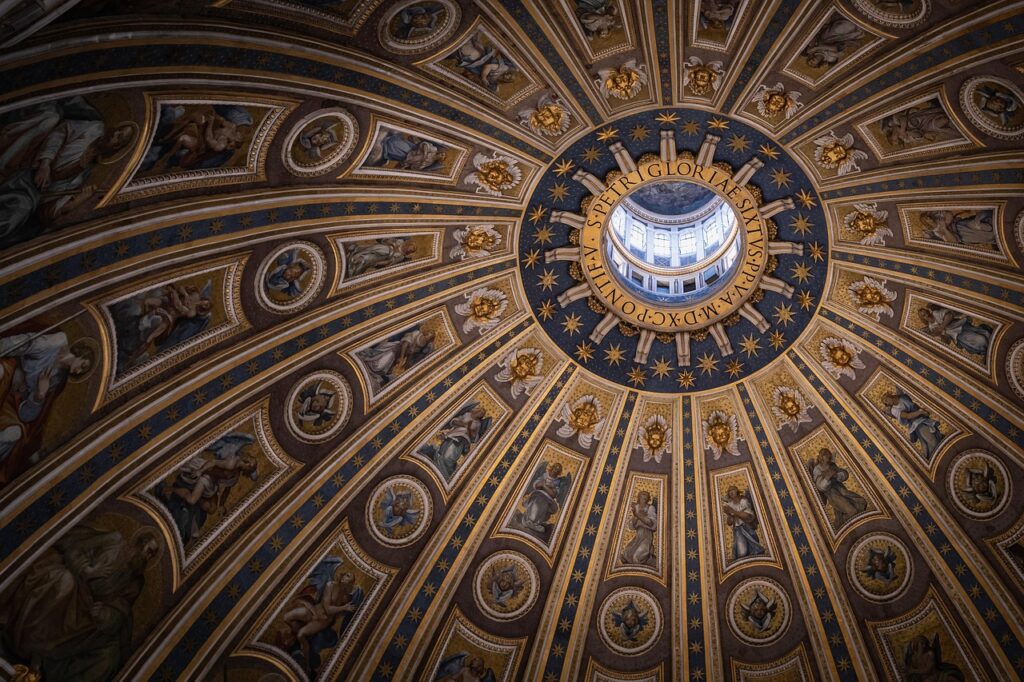
Battistero Neon — Baptismal immersion: the central baptism scene focuses on Christ, surrounded by symbols of salvation and flowing water. The dome’s circular composition draws the eye inward, reinforcing the idea of spiritual immersion. Blues and greens, arranged in radiating patterns, invite contemplation.
Sant’Apollinare Nuovo — The narrative frieze: what’s striking here is the sequential reading of a procession of saints and donors. Repetition creates a visual rhythm that is both liturgical and ceremonial. Notice the details of the saints’ attributes (books, palms, halos) and how a sense of perspective is suggested through succession and scale hierarchy. This basilica is perfect for understanding the didactic function of mosaics in educating the faithful.
Sant’Apollinare in Classe — Christ in Majesty: the apse is dominated by a more hieratic Christ, surrounded by angels and saints. The monumentality of the composition restores the church’s role as an image of paradise on earth: the mosaic is meant to be seen from the nave, hence its imposing scale and vertical reading.
Technique and conservation: the mosaics have survived thanks to successive restorations and careful environmental management. Conservators use non-invasive methods to stabilize tesserae and minimize visible interventions. Visitors can help preserve them by following the rules (do not touch, avoid flash, and don’t use tripods without permission).
Local tips, access logistics, and recommendations for the best experience
Ravenna is a city where attention to detail matters. Here are practical tips from travelers and experts to make your visit smoother and more rewarding.
- Booking and tickets: during high season (April–October) and long weekends, it’s wise to book tickets online, especially for San Vitale and Sant’Apollinare in Classe. Look for combined tickets (« Circuito Monumentale » or « Ravenna Card ») that lower the overall cost. Check monuments’ official sites for updated prices.
- Opening hours and closed days: several monuments close on Mondays or have hours that vary with religious services. Plan a morning visit (09:00–11:30) to avoid crowds and enjoy flattering side-light on the mosaics.
- Access and transport: the center is walkable; for Sant’Apollinare in Classe, take the city bus from the station (local line to Classe) or a taxi (expect €15–€25 depending on traffic). Renting an electric bike can be a pleasant option to reach Classe and less central areas.
- Photography: most sites allow photography without flash, but some places (small mausoleums) may ban photography to preserve colors. Respect posted rules and ask when in doubt.
- Guided tours and audio guides: choose a guided tour (often 90 minutes) if you want in-depth historical interpretation. Audio guides available onsite or via apps give precise keys to understanding without the constraints of a group.
- Eating and breaks: enjoy local specialties—piadina, salumi, Romagna cheeses and light regional wines. The markets and small trattorie on Via di Roma and nearby streets offer authentic, affordable options.
- Accommodation: to be at the heart of history, favor a hotel or B&B in the historic center (convenient for returning to your room as needed); prices vary widely by season (simple B&B €60–€100/night, 3-star hotel €90–€150/night).
Conclusion — extending the experience and cultural perspectives
Ravenna is a destination to be seen with your eyes, body and memory. The Byzantine mosaics here are not isolated works: they form a network of signs, stories and techniques that tell of the meeting between East and West, between imperial power and liturgy. This guide has given you a structure for approaching the major monuments, practical information (addresses, hours, indicative prices) and reading keys to appreciate the visual and symbolic richness of these places.
After your visit, take time to let the experience settle: re-read the museum panels, compare stylistic approaches from one site to another, and, if possible, extend your stay to attend a sacred music concert in one of the churches—these sound moments add a new dimension to the mosaics. If your curiosity is piqued, consider further reading on mosaic technique, Byzantine history and Romagna archaeology. Finally, remember that protecting this heritage also depends on visitors: follow the rules, support local initiatives and come back someday to see how a new season’s light turns tesserae into fresh magic.
One last practical tip before you leave: keep a copy of addresses and opening hours (printed or on your phone) and check 24–48 hours before your arrival for seasonal changes. Churches are often open for worship; planning around mass times will help you avoid temporary closures. Enjoy your trip to Ravenna—may your steps be guided by the mosaics’ light and may each tessera reveal a new story.