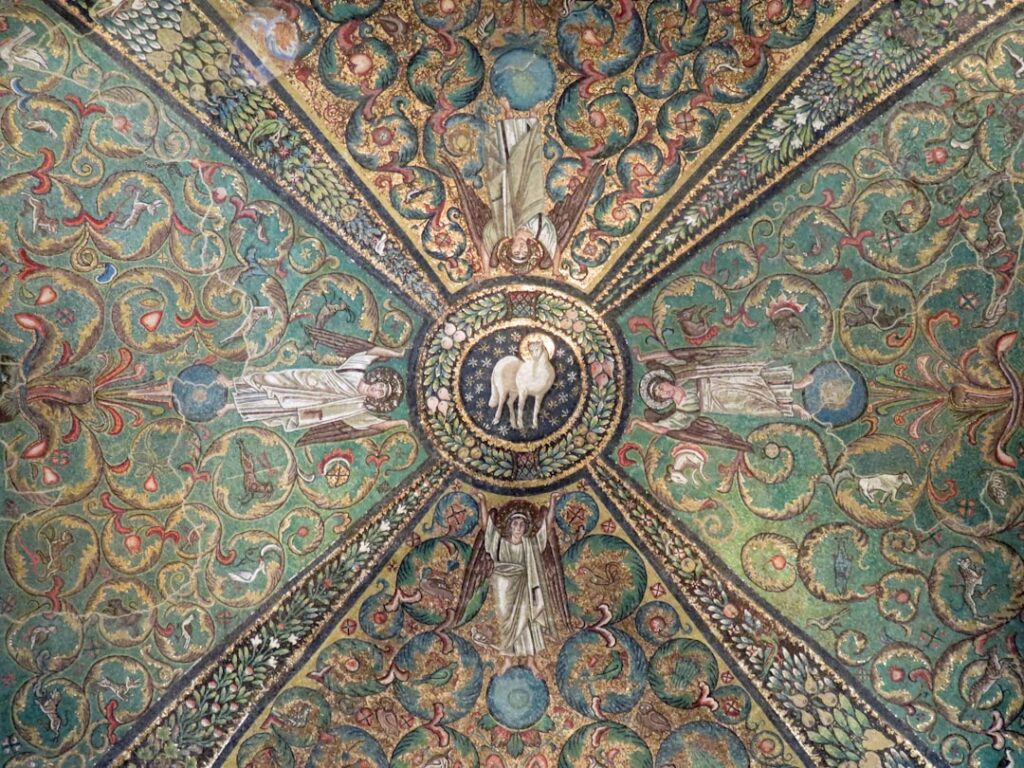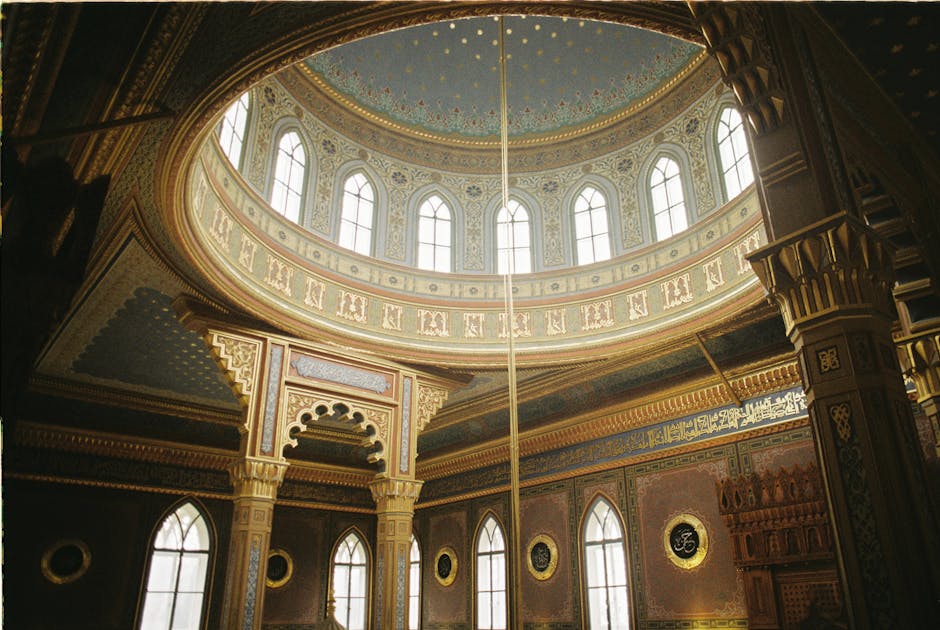






Introduction: The Intimate Wonder of Ravenna’s Baptistery
Perched in Ravenna’s historic heart, the Neoniano Baptistery — Battistero Neoniano in Italian — is more than a religious building: it’s a celebration of detail, where every tessera tells a story. Just steps from the Basilica of San Vitale and the Mausoleum of Galla Placidia, the baptistery stands out for its dome entirely covered in Byzantine mosaics, a masterpiece that often leaves visitors feeling both awed and intimately moved. Entering the Baptistery, located on the Piazza Duomo, is like shrinking the world down to a starry vault and gospel scenes that glow like carefully preserved constellations.
Ravenna was once the capital of the Western Roman Empire and later an important Byzantine administrative center; that dual political and religious history fostered a unique mosaic aesthetic blending Roman and Eastern influences. In this context, the Neoniano Baptistery reads like a visual laboratory: golden pigments, glass tesserae, finely polychrome marble, inlay techniques and thoughtfully designed iconographic schemes. The richness isn’t merely material — it’s narrative: Christ’s baptism, allegories of the four rivers of paradise, angels in procession — all subjects that serve the sacramental purpose of the space while also acting as an artistic manifesto for a bustling city.
Visiting the Baptistery is a lesson. You learn to read Byzantine codes — gestures, attributes, poses — to understand the language of color and how natural light, filtered through small openings, makes the tesserae shimmer. You also discover the precision of the craft: how a tiny tessera, tilted by a single degree, can change the expression of a face or the depth of a sky. Time seems to slow; the eye becomes a magnifier. For the curious traveler, this experience is a powerful reminder: the art of detail isn’t decorative luxury but a form of visual and historical meditation.
In this article we’ll zoom in on those mosaics: their themes, techniques, conservation, and the architectural context of the Battistero Neoniano (Piazza Duomo, 1, 48121 Ravenna RA, Italy). We’ll cover practical information — opening hours, prices in euros, tips for photographing respectfully — and suggest nearby points of interest to round out your visit (Basilica di San Vitale, Mausoleo di Galla Placidia, Museo Arcivescovile). Whether you’re an art lover, photographer, pilgrim or casual passerby, this guide will help you appreciate Ravenna’s mosaics with a deeper, more respectful eye.
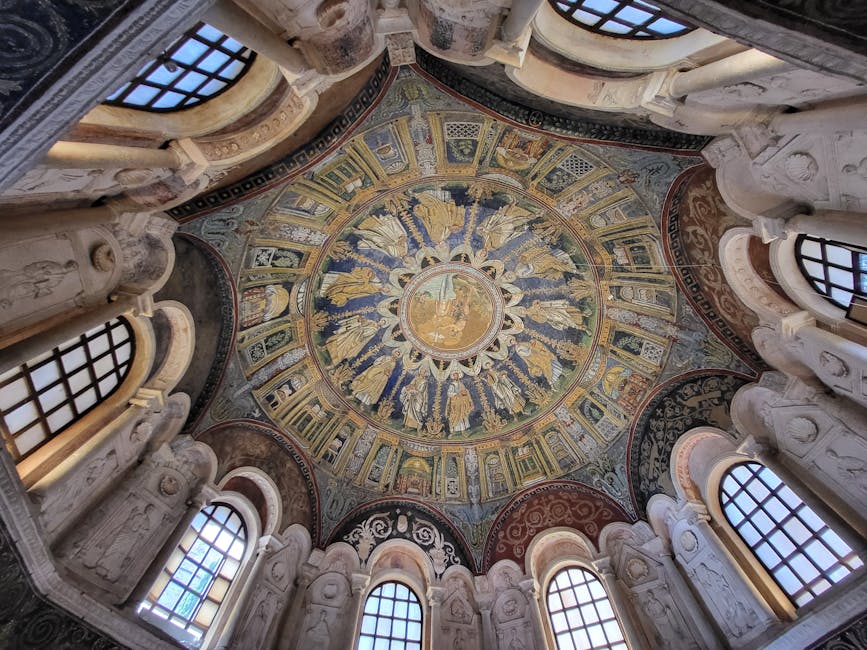
History and Iconographic Meaning of the Mosaics
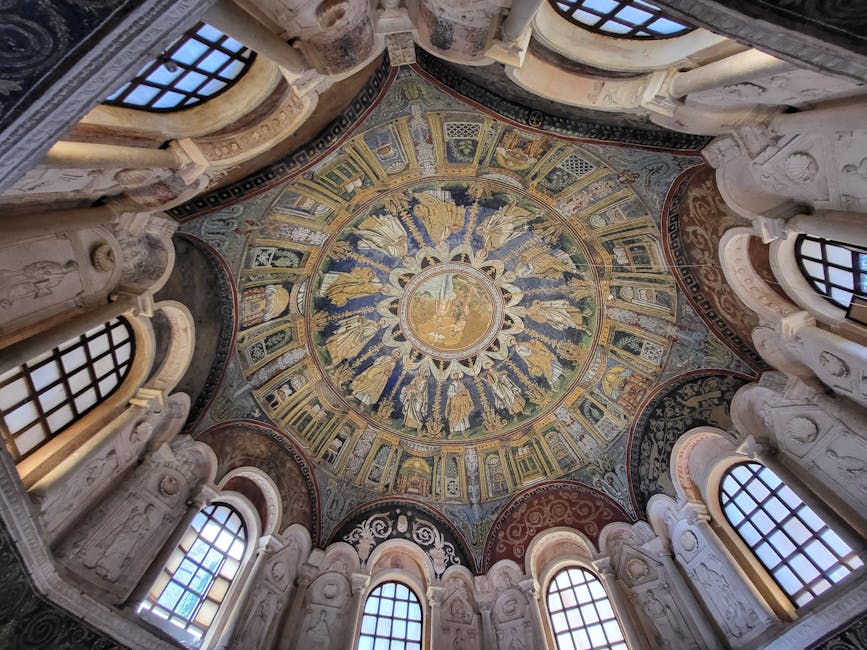
The Baptistery of Ravenna, traditionally dated to the late 5th century (around 450–500 AD), was built when Ravenna served as a key link between Rome and Constantinople. The central dome is almost entirely devoted to the scene of Christ’s Baptism: Jesus standing in the Jordan, John the Baptist pouring the water, and the Spirit represented as a dove. Around them, a procession of angels and vegetal motifs create a visual network that reinforces baptismal theology — purification, rebirth, integration into the Christian community.
These scenes were intentionally designed to be legible to a diverse audience, speaking Latin or Greek and often illiterate. Symbols — the lamb, the dove, full illumination — operate as a universal language. The Baptistery’s mosaics juxtapose sacramental registers (the baptism) and paradisiacal imagery (rivers, gardens), linking the earthly rite to a heavenly promise. The four rivers, sometimes depicted as river-god allegories around the dome, reflect a vision of paradise drawn from both the Old Testament and Eastern traditions.
Stylistically you can see a blend: faces retain a Byzantine hieratic quality — large eyes, long noses, compact mouths — while some drapery and poses echo a Roman heritage. The gold tesserae are not mere ostentation: they reflect light to give the scenes spiritual dynamism. The mosaics also functioned as a visual manual for catechumens: before a priest’s words were heard, initiation was experienced and understood through these images. Successive restorations (19th–20th centuries and recent interventions) aimed to preserve material authenticity while stabilizing the structure; the conservation of pigments and the consistency of iconography have been subjects of scientific studies and highly precise interventions.
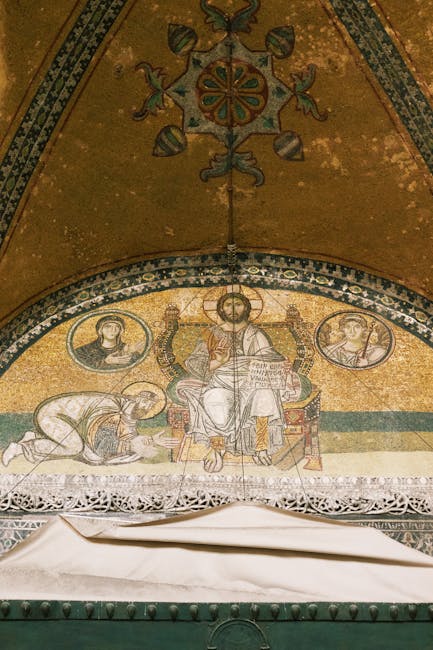
Techniques and Materials: Understanding the Detail of the Tesserae
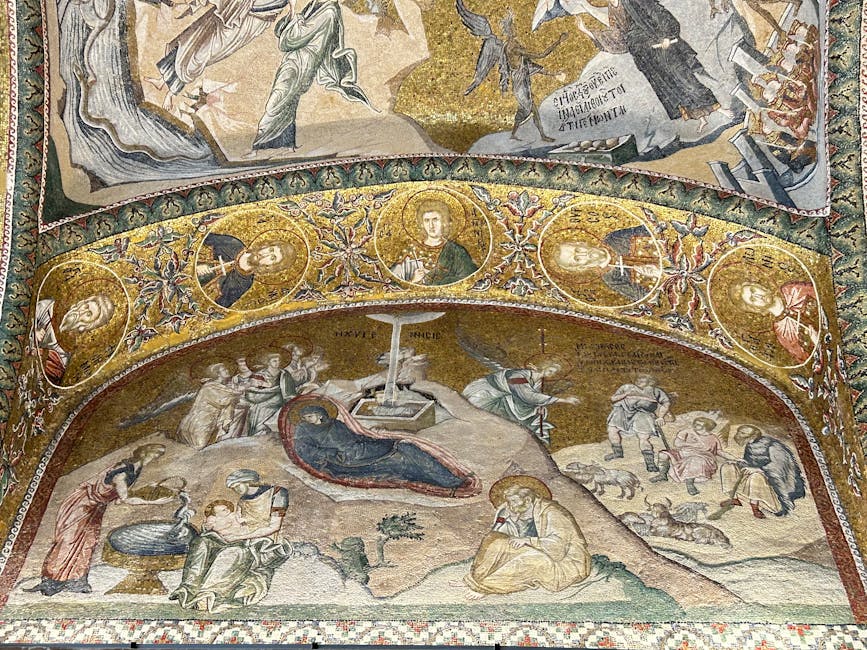
At first glance a mosaic may look like a uniform surface; to a focused eye it’s a landscape of chosen fragments, cut and placed according to a precise plan. The mosaics in Ravenna’s Baptistery use colored glass tesserae, gold-backed glass, smelted glass and polychrome marble. Gold glass (gold leaf sandwiched between layers of glass) produces a long-lasting shine, especially noticeable in the baptistery dome where light plays against metallic surfaces.
Setting tesserae is an intensely calculated craft: orientation, tilt and size control reflections and suggest volume and depth. Byzantine and Ravennan craftsmen used tiny tesserae for faces and hands to achieve expressive nuances, and larger tesserae for backgrounds and skies. The joints, mortar thickness, and binder colors were all selected for longevity. Modern restorations rely on scientific dossiers: mineralogical analyses, micro-sampling, photogrammetry and reconstruction of original palettes.
Looking closely at the mosaics also teaches you to read technique: notice differences in tessera size between the dome and lower registers, spot modern interventions (subtle chromatic differences, contemporary joints), or identify areas where original tesserae are missing and replacements were made to maintain legibility. Ravenna’s workshops sometimes offer demonstrations and hands-on workshops where you can handle tesserae and appreciate the patience required for mosaic composition — a practical tip if you’re traveling with kids or seek a tactile complement to the baptistery’s quiet contemplation.
Visiting: Address, Opening Hours, Prices and Practical Tips
To prepare your visit to the Neoniano Baptistery, here are the most useful up-to-date details: exact address, typical opening hours, indicative prices and local tips. Exact address: Battistero Neoniano (Baptistery of Neon), Piazza Duomo, 1, 48121 Ravenna RA, Italy. The baptistery sits just a few dozen meters from the Basilica di San Vitale (Via San Vitale, 17, 48121 Ravenna RA) and the Mausoleo di Galla Placidia (Via degli Ariani, 1, 48121 Ravenna RA).
Opening hours: in high season the Baptistery is usually open daily from 9:00 to 19:00 (last entry around 18:30). In low season hours may be reduced (for example 9:00–17:00). It’s strongly recommended to check hours the day before your visit on the official site or with the ufficio turistico (Ravenna Tourist Office, Via Corrado Ricci, 12, 48121 Ravenna RA, tel +39 0544 482222) as religious services or restoration work can affect access.
Prices: single admission to the Baptistery of Neon: indicative price €4.00 (reduced rates and free entry for certain categories: children, students, EU residents under conditions). There are also combination tickets (Ravenna UNESCO Card / biglietto unico) giving access to several Byzantine monuments like the Basilica di San Vitale and the Mausoleo di Galla Placidia; these combined tickets typically range between €12.00 and €15.00 depending on the package. Prices can change; bring cash and a card: many sites accept cards but some small nearby shops may be cash-only.
Practical tips: arrive early to enjoy softer light and fewer crowds — the dome then reveals exceptional golden hues. Respect restrictions on flash photography and the quiet of the site; instead use a wide-angle lens without flash and raise ISO if needed. Wear comfortable shoes: Ravenna’s historic center is best explored on foot. If you want photos without people, the period just after opening is ideal. Allow at least 1.5 hours to visit the baptistery and the two neighboring monuments (San Vitale and Galla Placidia), and add a visit to the Museo Arcivescovile (Piazza Duomo, 2, 48121 Ravenna RA) to see original mosaic panels and archives.
Routes and Tips Around the Baptistery: Extend the Discovery
Ravenna lends itself to themed routes: a half-day « mosaic circuit » or a full day to dive deeper into early Christian and Byzantine history. Example walking itinerary: start at the Battistero Neoniano (Piazza Duomo, 1), then cross over to the Basilica di San Vitale (Via San Vitale, 17) — famous for its imperial mosaics and narrative panels — then on to the Mausoleo di Galla Placidia (Via degli Ariani, 1), which, small as it is, houses one of Ravenna’s most moving starry mosaic ceilings.
Continue to the Museo Nazionale di Ravenna (Via San Vitale, 17) and the Mausoleo di Teodorico (Via delle Industrie, 2) for variety in style and era. For a break, Trattoria Al Cerchio (Via XX Settembre, 45, 48121 Ravenna RA) or Pasticceria Pelligra (Via IV Novembre, 35) offer local specialties — don’t miss the piadina romagnola paired with a glass of Sangiovese. Finish your route with a stroll along the port canal (Porto Corsini) if time allows.
Local tips: buy the combined ticket if you plan to visit several monuments — it’s more economical. Avoid service times to not disturb worship; check with the tourist office for exceptional closures. Bring a small flashlight or use your phone’s torch to inspect lower mosaic areas when natural light is low. Finally, heed conservation rules: never touch the mosaics and follow marked paths to protect these fragile surfaces.
Conclusion: The Lesson of Detail and Ways to Extend the Experience
Ravenna’s Baptistery, with its glittering mosaic dome, teaches a fundamental lesson: history is read in fragments. Each tessera is both relic and message, a luminous point that, when joined with its neighbors, builds a whole scene. The visit isn’t a quick glance; it requires patience, curiosity and respect. Observing the finesse of faces, how gold captures light, or the figures’ poses reveals an art that aims to educate, move and sanctify.
To prolong your experience after the visit, several options are available: return to the baptistery at different times to watch changing light, join a lecture or guided tour (often listed by local tourist offices), or sign up for a mosaic workshop to try cutting and setting tesserae yourself. These activities turn contemplation into practice and help you better understand the technical and aesthetic challenges faced by ancient workshops.
Finally, don’t forget to combine your stop at the Baptistery of Neon with the rich heritage of Ravenna: San Vitale, Galla Placidia, the archiepiscopal museum and other Byzantine sites offer a comprehensive, coherent panorama. Keep your combination tickets, note addresses and hours (Piazza Duomo, 1 for the Baptistery; Via San Vitale, 17; Via degli Ariani, 1 for Galla Placidia), and follow conservation guidelines so these masterpieces continue to inspire future generations. The attentive traveler will leave with a new way of seeing: from now on, every detail will matter.