





Introduction: Mosaicked Mysteries — the Galla Placidia Mausoleum in Ravenna
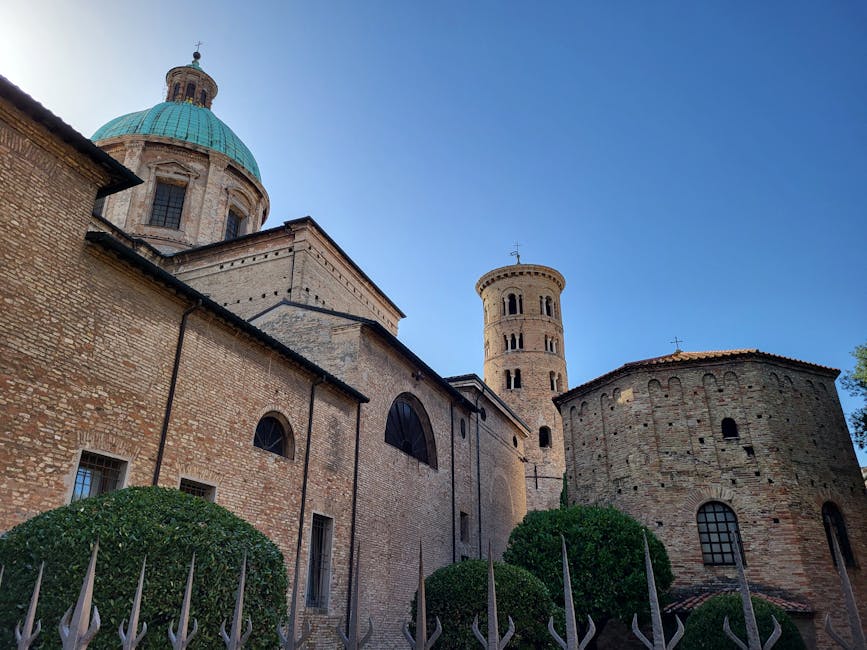
Ravenna, a city that bridges Late Antiquity and the early Middle Ages, reads like an open book of stone and tesserae. Tucked into this Adriatic town, amid quiet lanes and sunlit squares, is one of the smallest yet most powerful testaments to Western Byzantine art: the Mausoleo di Galla Placidia. Often overshadowed by the grandeur of the nearby Basilica di San Vitale, this little mausoleum still manages to capture the imagination through the precision and chromatic intensity of its mosaics. Each tessera, laid down more than sixteen hundred years ago, tells a story of faith, authority, and the representation of the divine world.
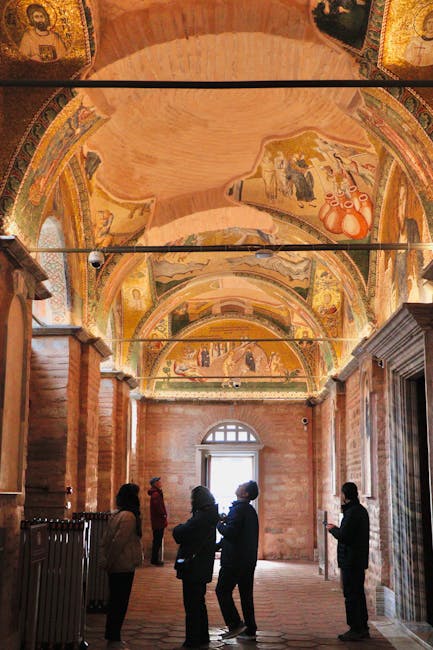
An introduction to the Galla Placidia Mausoleum can’t be merely topographical; it’s first and foremost sensory. Picture a modest brick building in the shape of a Latin cross, unassuming from the outside—then step inside: the tempered darkness gives way to an explosion of light reflected off thousands of gold and colored tesserae. Christian scenes come alive against golden backgrounds, starry skies, palms, and lambs, inviting you into a visual meditation where theology is rendered in geometric patterns and natural motifs. The mausoleum is a microcosm of both earthly and heavenly realms, designed to evoke the afterlife and the triumph of faith.
More than just a monument, it marks a specific historical moment: Ravenna’s rise as a capital of the Western Roman Empire (and later a seat of Ostrogothic and Byzantine power) sparked an artistic efflorescence unlike any other. Galla Placidia, an influential empress and patron, left her name attached to this place, although historians still debate the building’s original function—tomb, private chapel, or commemorative monument. That uncertainty only adds to the aura of mystery that draws historians, pilgrims, and tourists alike.
In this article I offer a full immersion: history, detailed descriptions of the mosaics, practical information (exact addresses, prices in euros, opening hours), visit tips, and suggested routes to continue your discovery nearby — with Basilica di San Vitale and Basilica di Sant’Apollinare in Classe at the top of the list. Whether you’re an art lover, history buff, or curious traveler, this guide will help you make the most of your stop in Ravenna and explain why, despite its modest size, the Galla Placidia Mausoleum remains an essential jewel of Byzantine architecture and mosaic art in Italy.
History and context: Ravenna, capital of mosaics
Ravenna holds a unique place in Mediterranean history. From the early 5th century it became a major political and cultural center: first as the refuge of the Western Roman Empire, then as the residence of Ostrogothic kings, and finally as a Byzantine exarchate. This succession of powers encouraged the arrival of craftsmen from both East and West, creating a mosaic repertoire of exceptional richness. The Mausoleo di Galla Placidia belongs to this context: it is commonly dated to the mid-5th century (around 430–450 AD), a period when Ravenna experienced a major monumental revival.
The attribution to Galla Placidia — daughter of Theodosius I, sister of Honorius and mother of Valentinian III — rests on traditions and literary sources that can sometimes be contradictory. Galla Placidia is a strong political figure: exiled for a time among the Visigoths before being restored to Ravenna. The mausoleum bears her name, perhaps because local tradition identified her as the founder, or because the building could have served as a private oratory associated with her or her family. Whatever the precise origin, the structure stands as a milestone of early Christian art in Ravenna.
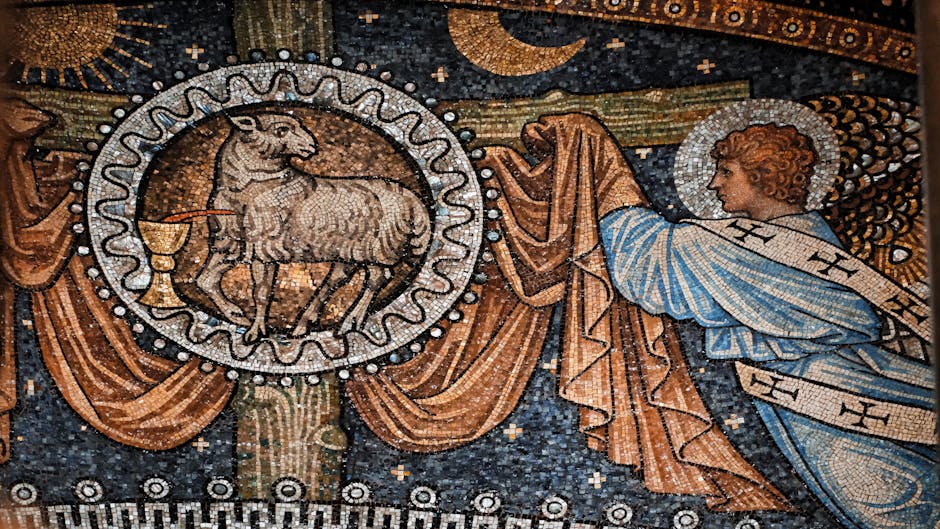
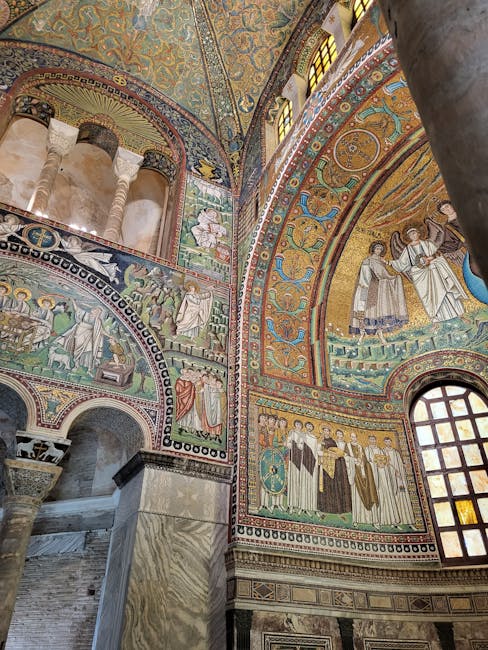
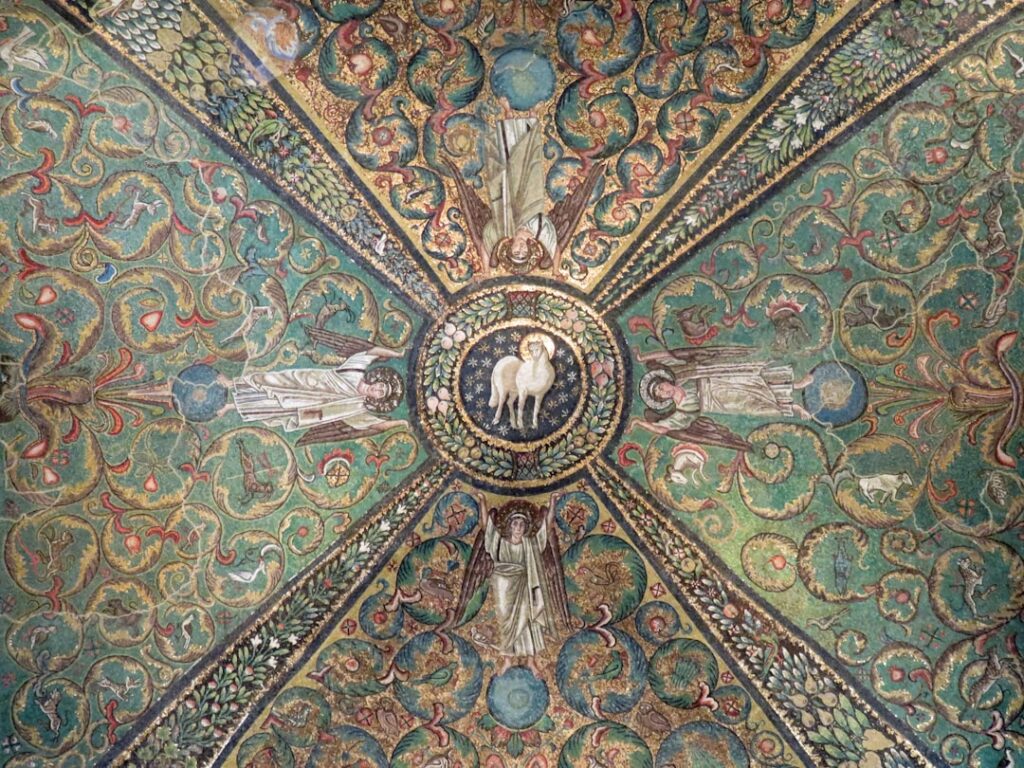
Stylistically, the mosaics in the mausoleum show a transition: you can see Byzantine influence in the use of gold and celestial imagery, alongside Mediterranean naturalistic motifs (palms, fruit, birds). Christian symbolism is abundant — lambs, crosses, stars — and the whole ensemble functions as a visual theology meant to express Christ’s victory, the resurrection, and heavenly hope. Unlike the broad expanses of a basilica, the mausoleum’s intimate scale intensifies the emotional impact of the images.
Detailed description of the mosaics and interior architecture
The Mausoleo di Galla Placidia is small but dense with meaning. From the outside it looks plain: ordinary brick, tiled roof, cruciform silhouette. Once inside, you’re struck by the theatrical effect created by a compact space covered in rich mosaic decoration. The plan is a Latin cross with a central dome whose drum and vaults are completely covered in mosaics. Walls and vaults act like narrative screens.
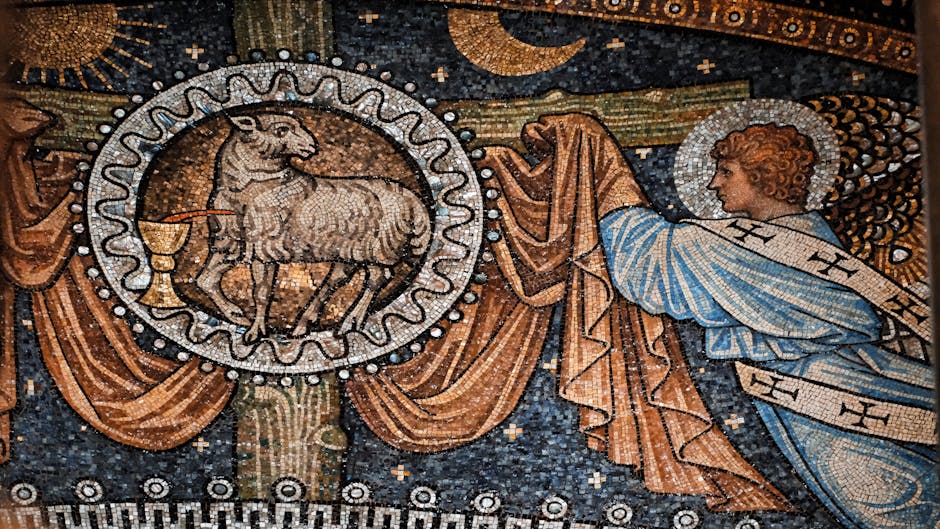
Among the most famous mosaics are the starry vault, where a deep blue sky dotted with golden stars creates an impression of heavenly infinity, and the renowned « Good Shepherd » depicted with three lambs in a bucolic landscape. You’ll also find stylized palms, doves, and geometric patterns framing the figurative scenes. The colors — blues, golds, greens, deep reds — remain surprisingly vivid thanks to the quality of the tesserae and the relative protection of the interior space.
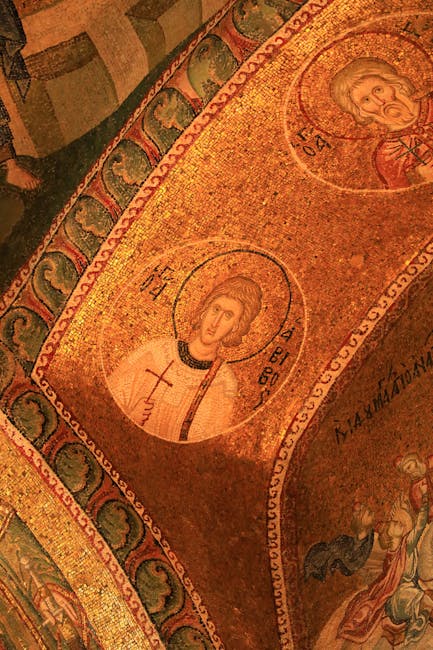
Pay attention to the level of detail: the eyes of the figures, the folds of the drapery, the glints on gold — all rendered by tiny tesserae, assembled with a precision that points to a highly skilled workshop. Natural light filters through small openings, making the shimmering surfaces change with the hour. Note: because the environment is delicate, flash photography is often prohibited to preserve the colors.
Practical information: addresses, hours, prices and visiting tips
Addresses and related sites:
- Mausoleo di Galla Placidia — Via Argentario, 22, 48121 Ravenna RA, Italy.
- Basilica di San Vitale — Via San Vitale, 17, 48121 Ravenna RA, Italy (about 150 meters from the mausoleum).
- Basilica di Sant’Apollinare in Classe — Via Romea Sud, 224, 48125 Classe RA, Italy (around 7 km south of Ravenna, reachable by bus).
- Museo Nazionale di Ravenna — Via San Vitale, 17, 48121 Ravenna RA, Italy (museum complex often included on Byzantine monument routes).
Opening hours and prices (guidelines at the time of writing — check online before you go):
- Mausoleo di Galla Placidia: generally open Tuesday to Sunday, with hours that vary by season — roughly 9:00 AM to 7:00 PM in high season (April to September) and 9:00 AM to 5:00 PM in low season (October to March). It may be closed on public holidays; it’s wise to consult the official Parco Archeologico Nazionale o sedi museali di Ravenna website for updates. Individual admission: around €3.00 to €4.00.
- Combined ticket for Ravenna monuments (Basilica di San Vitale, Mausoleo di Galla Placidia, Battistero Neoniano, Museo Arcivescovile): combined rates hover around €10.00 to €15.00 depending on the formula and reductions (students, seniors, groups).
- Basilica di Sant’Apollinare in Classe: hours vary; entry fee about €4.00 to €6.00 (often higher for guided tours or temporary exhibitions).
Local practical tips:
- Booking: visitor numbers inside the mausoleum are sometimes limited to preserve the atmosphere and control conservation. Book online when possible, especially in high season (May–September) and on weekends.
- Photography: flash is often forbidden; bring a camera or smartphone that performs well in low light. Follow the guards’ instructions and don’t touch the walls.
- Best time to visit: early morning (opening) to avoid crowds and enjoy softer light that makes the tesserae glow. Late afternoon can also be magical but tends to be busier.
- Getting there: from Stazione di Ravenna (Ravenna Railway Station, Piazza Aldo Moro, 48121 Ravenna), the mausoleum is about a 15–20 minute walk (1.2 km) or a few minutes by taxi. Several city bus lines serve the historic center; check ATC Ravenna schedules for connections.
- Visit length: allow 30 to 60 minutes for the mausoleum, longer if you take a guided tour or pair it with visits to Basilica di San Vitale and other nearby sites.
- Languages: signage in Italian and English; guided tours in English are sometimes available by reservation.
Recommended routes and extensions around the mausoleum
The Mausoleo di Galla Placidia lends itself perfectly to a themed walk through Ravenna, centered on mosaics and the Byzantine legacy. Here’s a suggested route for a half-day or a full day.
Half-day itinerary:
- Start: Arrive at the Mausoleo di Galla Placidia (Via Argentario, 22). Visit: 30–45 minutes.
- Then walk 2 minutes to the Basilica di San Vitale (Via San Vitale, 17). This basilica is famed for its monumental 6th-century mosaics depicting emperors, saints, and biblical scenes — allow 45–60 minutes.
- After the basilica, stroll toward the Battistero Neoniano (often included in routes) and Piazza del Duomo for a coffee or a break at one of the historic cafés.
Full-day itinerary:
- Morning: Mausoleo di Galla Placidia and Basilica di San Vitale.
- Lunch: choose a traditional trattoria — for example, restaurants around Via Cavour or Piazza del Popolo; try local specialties like piadina romagnola and Adriatic seafood.
- Afternoon: take the bus or a taxi to the Basilica di Sant’Apollinare in Classe (Via Romea Sud, 224) for an immersion in a larger basilical space dedicated to Saint Apollinaris, with a richly decorated apse.
- Cultural option: finish with a visit to the Museo Nazionale di Ravenna (Via San Vitale, 17) or the Mausoleo di Teodorico depending on your interests.
Local tips:
- Shoes: wear comfortable but clean footwear — interior floors are often ancient tiles and sites request respectful dress and behavior.
- Weather: spring and autumn are the most pleasant times; summer can be hot and crowded. Bring water, especially if you plan to walk to Sant’Apollinare in Classe.
- Local guides: a specialist guide will deepen your understanding of iconography (symbols of the lambs, palms, allegories of the afterlife).
Conservation, research and unresolved mysteries
Conserving the Mausoleo di Galla Placidia is an ongoing challenge. Ancient mosaics require stable microclimatic conditions: controlled humidity, prevention of leaks, and limits on vibrations caused by tourist traffic. Italian restoration institutes and local teams carry out periodic consolidation and cleaning interventions. Visitors will often see panels explaining recent work or protection measures.
Archaeological and historical research on the mausoleum continues to fuel debate: Galla Placidia’s exact role, the building’s original function (funerary chapel, private oratory, or family mausoleum), and the workshops responsible for the mosaics remain subjects of study. Stylistic comparisons with other monuments in Ravenna and the East help researchers trace networks of craftsmen and cultural influences.
Among the lingering mysteries: some scenes seem deliberately symbolic rather than narrative, inviting theological exegesis. Also, the precise dating of certain decorative phases remains contested — later retouches or additions could explain subtle stylistic differences. These uncertainties enhance the site’s appeal: a living monument continues to question and gradually reveal its secrets.
Finally, Ravenna’s local community is deeply committed to promoting its heritage. Temporary exhibitions, conferences, and educational programs use the mausoleum to raise awareness of the central role mosaics play in the city’s identity. For visitors, joining a guided tour or attending a local lecture offers enriching perspectives on the link between conservation, research, and responsible tourism.
Conclusion: Why visit the Mausoleo di Galla Placidia?
The Mausoleo di Galla Placidia is not just another stop on a tourist map; it’s a concentrated lesson in history, art, and spirituality. Despite its modest footprint, its visual and emotional impact is immense. Every tessera speaks of a time when Ravenna was a crossroads of influences, where East and West blended to create a visual language unique to early Christian art. Visiting the mausoleum is an exercise in humility before the passage of time, the mastery of technique, and a faith expressed through images.
Practically speaking, the easy access (Via Argentario, 22), the immediate proximity to the Basilica di San Vitale (Via San Vitale, 17), and the variety of complementary routes (Basilica di Sant’Apollinare in Classe, Museo Nazionale di Ravenna) make Ravenna an ideal destination for art and history enthusiasts. Entrance fees remain reasonable (around €3–4 for the mausoleum, with combined tickets at €10–15 depending on the options) and seasonal opening hours allow you to plan your visit efficiently. Don’t forget to check official times and book if needed, especially in high season.
Lastly, the site’s conservation efforts and the scholarly debates surrounding it add a living dimension to the visit: you’re not looking at a frozen museum piece, but a place that is still studied and protected. Whether you come seeking an iconic image — the Good Shepherd, the starry vault — or a deep dive into ancient craftsmanship, the mausoleum offers a rare mix of intense beauty and historical depth. Take the time to linger, study the details, look up to the vaults, and let the mosaics tell their own version of Ravenna’s mosaicked mysteries.