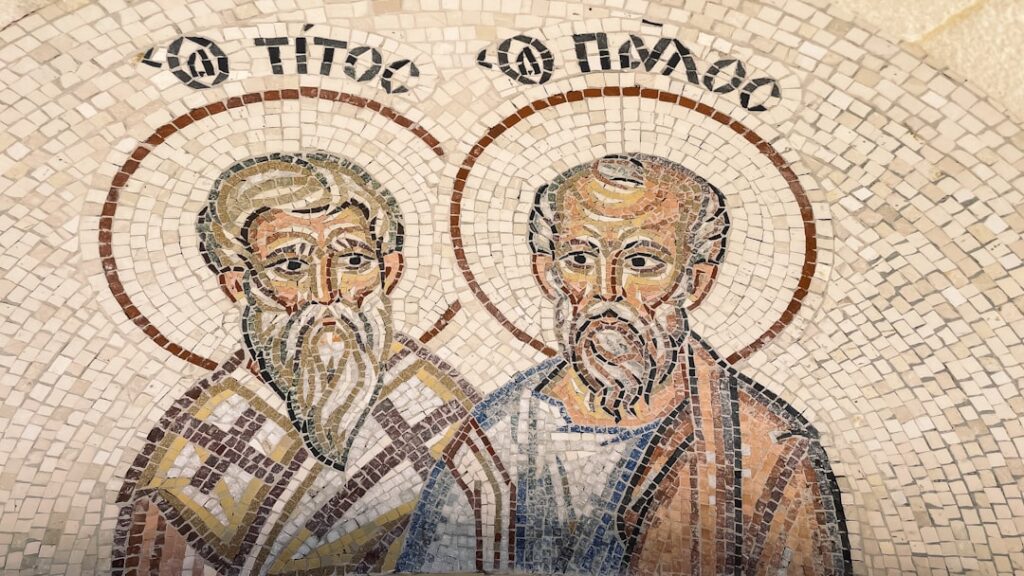






Introduction — Two baptisteries, one mosaic
Ravenna, a small port town in Emilia-Romagna, often reads like a picture book of Byzantine art: its mosaics are whole chapters of history frozen in stone and glass. At the heart of this mosaic-city, two seemingly similar buildings — the Battistero Neoniano (commonly called the Orthodox Baptistery) and the Battistero degli Ariani (the Arian Baptistery, associated with Christian currents opposed to Roman Catholic orthodoxy) — offer a unique visual and spiritual lesson: two theological worlds, two aesthetics, and the same obsession with light, color and sacred storytelling. Modest in size compared with the great basilicas, these baptisteries are nevertheless concentrated capsules of sacred art where the act of baptism is staged as a cosmic scene, carried by thousands of golden tesserae.
Understanding Ravenna means experiencing these two small monuments: one older and intimate, tied to the late-antique Byzantine Orthodox church; the other later, shaped by sixth-century theological debates and Ostrogothic influence. In this piece, I offer an immersive, practical walk through the apse mosaics and golden domes — not just to admire the art, but to understand how these places read today: for the curious traveler, the pilgrim, the art-history student or the photographer chasing perfect light.
We’ll cover the sites with concrete information: exact addresses, typical opening hours, entry prices current at the time of writing, detailed descriptions of the mosaics (patterns, icons, biblical scenes), practical tips to avoid crowds, best times for photography, and how to fit these visits into a typical day in Ravenna. Visiting these baptisteries is more than a quick glance; it’s a practice of listening: listening to the stone, to how the mosaics tell the story of Christ’s baptism, listening to the shift between the architectural and the cosmic. By giving practical markers and local recommendations, I want you to prepare your visit confident you won’t miss the symbolic richness of these places.
Finally, because Ravenna is also discovered through small pleasures (a welcoming trattoria, an artisan gelato, a sunlit alley at dusk), I’ll slip in concrete tips to extend the experience after leaving the baptisteries: walks to the Basilica di San Vitale, tasty stops and transport options. Grab your notebook, camera and curiosity: these two baptisteries will tell you, mosaic by mosaic, a story that belongs neither entirely to the past nor to a single religious camp.
Baptistery of the Orthodox (Battistero Neoniano) — address, hours, price and first impressions
The Battistero Neoniano, also known as the « Orthodox Baptistery, » sits in the heart of Ravenna’s historic center at: Piazza Duomo, 1, 48121 Ravenna RA, Italy. It’s just steps from the Cattedrale di Ravenna (Ravenna Cathedral) and the Museo Arcivescovile e Cappella di Sant’Andrea, which makes it easy to combine with other stops in the episcopal quarter.
Typical opening hours: the baptistery is usually open daily, roughly from 9:00 AM to 6:00 PM (hours vary by season and public holidays — it may be closed for religious ceremonies). Indicative entrance fee: €4.00 for a standard ticket. Several combined options are available locally, such as the « Ravenna pass » or bundled tickets that include the Basilica di San Vitale and the Mausoleo di Galla Placidia — these passes can be a good deal if you plan to visit multiple sites.
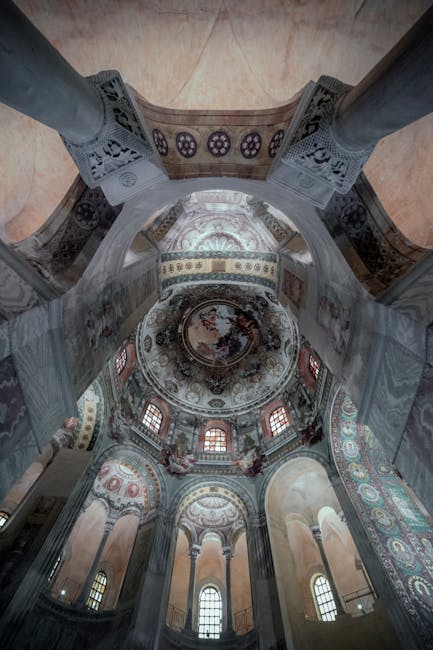
The building dates back to the 5th century and is associated with Bishop Neon, hence its name. You enter through a small door and find yourself beneath a richly decorated dome: the Good Shepherd Christ, baptismal scenes and a choir of angels arranged in concentric friezes. The first sensation is that of a time capsule: light changes with the hour, making the golden tesserae shimmer and creating a sense of vastness despite the modest size of the central baptismal font. The dome mosaic depicts Christ’s baptism in the Jordan, surrounded by personifications of the rivers and angels who purify and welcome.
 Click here to book tickets for the UNESCO-listed mosaics
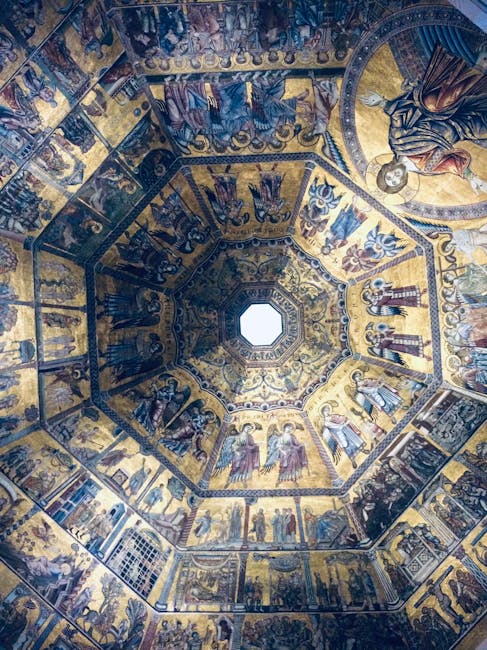
Practical tips: to catch the details, step slowly and let your eyes « recalibrate » to the golden light — a magnifying glass or a macro lens helps if you want to study the tesserae technique. Avoid peak hours (typically 11:00 AM–3:00 PM) and aim for opening time or late afternoon for fewer crowds and warmer light for photos. The site is small: allow 30–45 minutes for a focused visit, longer if you follow a guide or read the explanatory panels.
Baptistery of the Arians (Battistero degli Ariani) — address, hours, price and historical context
The Battistero degli Ariani is located near the Basilica di Sant’Apollinare Nuovo. Recommended address for locating it: Via degli Ariani (close to Via di Roma/Piazza della Cattedrale depending on the walking route), 48121 Ravenna RA, Italy. The baptistery is less visited than its Neonian counterpart, which often makes for a more intimate experience.
Typical opening hours: generally open from 9:00 AM to 5:00 PM, with seasonal variations. Indicative price: €3.00 for a standalone entrance at the time of writing. The Battistero degli Ariani is sometimes included in combined tickets with other early-Christian monuments in Ravenna.
Built in the Ostrogothic era and remodeled in the 6th century under Arian influence, this baptistery shares a visual kinship with the Neoniano but carries a distinct theological reading: the depiction of the baptism, the role given to officiants and some iconographic details reflect the Christological debates of the time. The dome preserves a large baptism mosaic: Christ is often shown with a halo, surrounded by angels and aquatic allegories. The scenes are generally more pared-back than those in the Neoniano, giving them a quiet, almost meditative intensity.
Click here to book a guided walking tour of Ravenna’s highlights
Practical tips: as the space is tight, follow the flow inside (wait your turn if necessary) and keep voices low. The site is particularly photogenic early in the morning when side light emphasizes the texture of the tesserae. If you’re interested in theological history, find a local guide who can explain Arianism and its artistic impact — without that context the iconographic differences can seem subtle.
Detailed comparison of the mosaics: iconography, techniques and light
Approaching the mosaics in both baptisteries is like comparing two musical scores written on the same staff: the same materials (glass, stone and gold tesserae), the same themes (Christ’s baptism, angels, river personifications) but different tempos, dynamics and phrasings. In the Battistero Neoniano the iconographic layout is dense: the dome is organized around a central focal point, drawing the eye toward the glorified Christ who occupies the visual summit. The gold tesserae scatter the light softly — the composition is designed to be viewed from above the baptistery’s rim, creating an immersive effect around the font.
In the Battistero degli Ariani the layout is often more geometrical, with figures fitting into regular cartouches or friezes. The tesserae technique is the same, but craftsmanship reads differently: some areas show smaller tesserae and more pronounced modeling of faces, while others use opaque glass to play with contrast. Ravenna’s artists manipulate natural light and dome height — a low-angle beam makes the gold tesserae shimmer like a discreet fire, whereas frontal light reveals pure colors and chromatic arrangement.
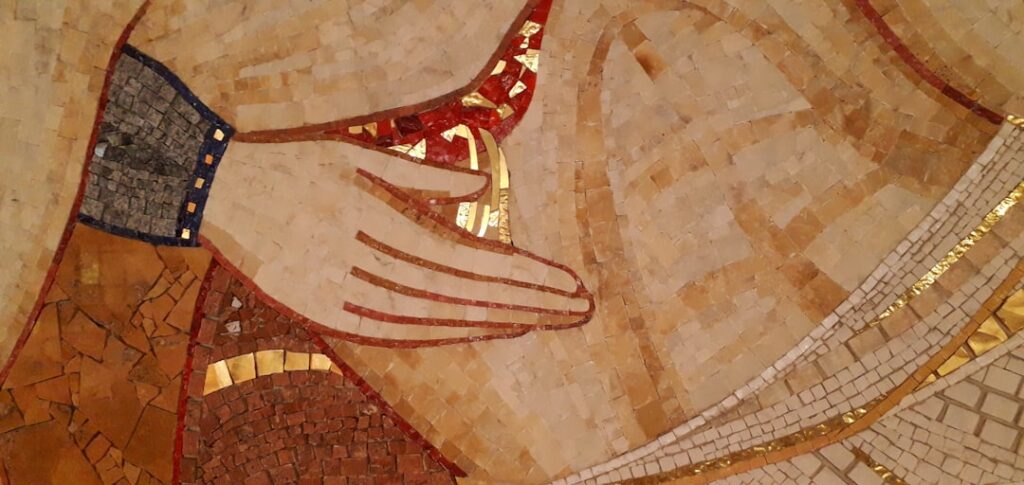
From an iconographic standpoint, look for these recurring motifs:
- The Christ being baptized in the Jordan, often shown standing in the water with John the Baptist nearby.
- Angels in flight holding cloths or phials (vessels) — symbols of purification.
- Personifications of rivers (sometimes as bearded male figures) and aquatic plants to emphasize the cosmic dimension of baptism.
Each detail was chosen to convey a precise theological message: the victory of light over water, purification, entry into the community of believers. For the visitor, reading these signs is both an observational pleasure and an intellectual exercise.
Practical tips for visiting — logistics, photography and respect
Visiting Ravenna’s baptisteries takes a bit of preparation to turn a brief stop into a rich, respectful experience. Here are field-tested tips:
- Tickets and bundles: check out the Ravenna Card or combined tickets sold at monument ticket offices. Bundles often include the Basilica di San Vitale, the Mausoleo di Galla Placidia, the Battistero Neoniano and the Battistero degli Ariani, and can be cost-effective if you plan several visits.
- Best time: arrive at opening for calm and soft light (9:00–10:30 AM), or late afternoon for warmer colors. Avoid the 11:00 AM–3:00 PM window when tourist circuits are busiest.
- Photography tips: use a wide-angle lens to capture the whole dome, and a mid-range lens for details. Flash is generally forbidden; prefer higher ISO and a tripod if allowed (check at the ticket office). Respect any « no photography » signs.
- Visit length: plan 30–45 minutes per baptistery for a focused visit. If you want to read every notice or use an audio guide, allow about an hour.
- Dress and behavior: these sites remain sacred spaces: dress modestly, speak softly, and respect areas closed to the public.
- Accessibility: the baptisteries are historic and may have ramps or steps. Visitors with reduced mobility should contact the Ravenna tourist office in advance to check access options and possible restrictions.
Click here to book a private walking tour of Byzantine mosaics
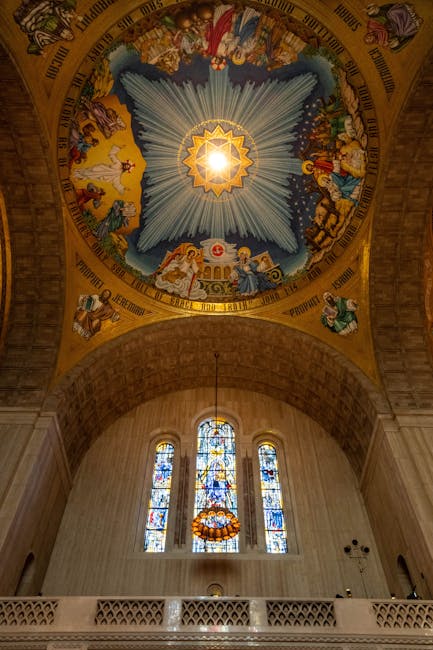
Finally, consider pairing the visit with a local guide specialized in early-Christian art: their narration links the mosaics to the political and religious events of the sixth century and turns ornamental motifs into chapters of a living story.
Around the baptisteries — walking route, cafés and other must-sees
After the visit, Ravenna lays out a string of treasures within easy walking distance. Here’s a practical, tasty walking route to extend your day:
- Morning: start at the Battistero Neoniano (Piazza Duomo, 1) then head to the Cattedrale di Ravenna (Piazza Duomo) for a short stop. Nearby is the Museo Arcivescovile e Cappella di Sant’Andrea (Via Paolo VI, 2) — often included in combined tickets.
- Midday: walk 10–15 minutes to the Basilica di San Vitale (Piazza San Vitale, 1) and the Mausoleo di Galla Placidia (Via San Vitale, 85) — both are must-sees for lovers of Byzantine mosaics.
- Afternoon: visit the Battistero degli Ariani (near the Basilica di Sant’Apollinare Nuovo) for a quieter stop, then stroll to the Tomba di Dante (Piazza San Francesco, 7) if literary history interests you.
- Food break: for lunch or a snack, try Trattoria al Piccolo (local addresses around the historic center) or an artisan gelateria on Via Cavour — sample pistachio or mascarpone gelato for a local treat.
Local transport and access: Ravenna is best explored on foot. The central train station (Piazza Aldo Moro, 1) is a 15–20 minute walk from the historic center; taxis and local buses also serve the main sites. For cyclists, many quiet streets and bike lanes link the monuments quickly — remember to lock your bike in recommended areas.
Conservation, religious context and contemporary challenges
Ravenna’s mosaics are fragile: conservation requires scientific interventions, humidity control and regular restoration campaigns. Local authorities work with universities and European labs to stabilize tesserae and repair joints without stripping the works of their authenticity. Understanding these challenges enriches the visit: what you see today is the product of a dialogue between ancient artisans and modern conservators.
On the religious side, these baptisteries testify to a time when Christianity wasn’t monolithic: liturgical differences, Christological disputes and the cohabitation of communities left visible traces. Today, these sites are visited by Christians of all denominations and by secular tourists; curators strive to balance liturgical use with heritage vocation. Occasional ceremonies can therefore limit access — always check the official site or the Ravenna tourist office before planning.
Local involvement: several educational projects involve schools and volunteers through guided visits and awareness campaigns. By visiting, you indirectly contribute to recognition and funding for conservation policies: ticket revenue helps, in part, to support these efforts.
Conclusion — Two worlds, one human mosaic
The Battistero Neoniano and the Battistero degli Ariani are more than boxes to tick on a sightseeing list: they’re silent witnesses to an era when art and faith intertwined to create images that travel across centuries. By comparing the two baptisteries you sense the richness of Ravenna’s theological and aesthetic dialogues: the same materials (glass and gold), the same intent (to tell, purify, elevate), yet two different readings of the baptismal act. These small buildings are microcosms where political history, artistic finesse and devotion meet.
For today’s visitor Ravenna offers a complete experience: learn the history, study the technique, feel the light and respect the sacredness of the place. The addresses and hours provided will help you organize an efficient, respectful day: start early, take your time, pay attention to details and consider investing in a guide if you want to dig deeper. The mosaics don’t give themselves up immediately; they demand visual patience that is eventually rewarded with successive revelations — a face, a gesture, a color that catches you like a wink from the sixth century.
As you leave the baptisteries, remember that Ravenna is more than an open-air museum: it’s a living city where cafés, alleys and markets extend the visit. Take with you the simple but profound lesson of these places: even in the diversity of beliefs and forms, humans seek much the same things — meaning, light, community. In that sense, the two baptisteries are not simply « two worlds » opposed to each other; they are two voices in the same human mosaic, to be heard and admired again and again.