





Introduction
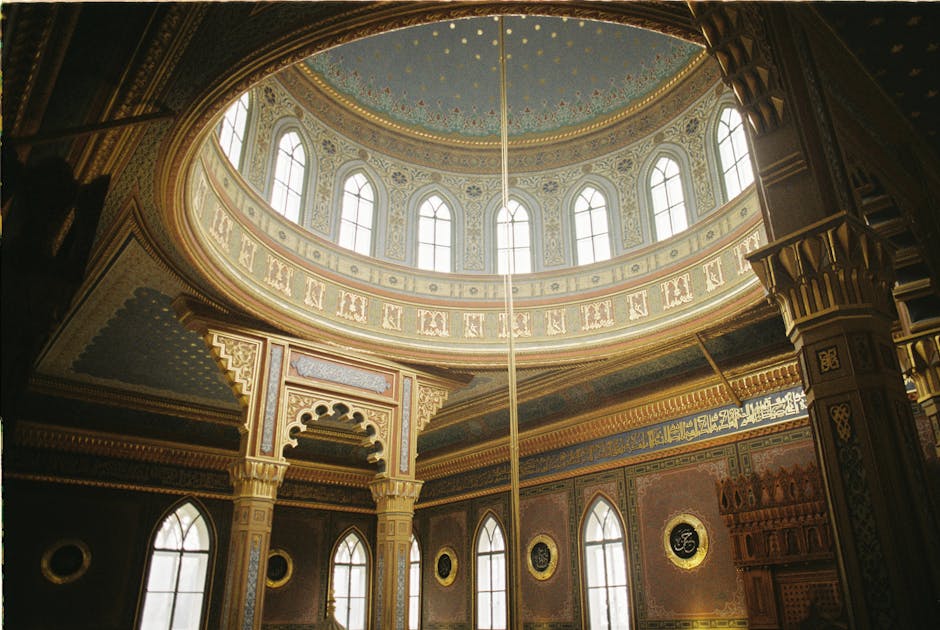
Ravenna is a city where light and stone tell stories in mosaic. For any photographer, amateur or pro, the challenge isn’t just to record a monument but to reveal its soul. Among the city’s Byzantine treasures, the two baptisteries — the Battistero Neoniano (also called Battistero degli Ortodossi) and the Battistero degli Ariani — offer a one-of-a-kind spectacle: their mosaicked domes, preserved since the 5th–6th centuries, catch light in ways that turn shooting into a visual and almost spiritual quest. This photo route focuses on a clear mission: framing each baptistery’s dome to create images that honor the geometry, color, and iconographic meaning of the mosaics.
Shooting these domes requires both a technical and a sensory approach. On the technical side, you’ll need to master white balance to render the golds and blues faithfully, pick focal lengths that balance detail with perspective, and know how to work without flash in spaces often subject to museum restrictions. On the sensory side, you’ll learn to wait for the right shaft of light, to tune into the silence, and to compose around the symbols — Christ in Majesty, the apostles, geometric motifs — in order to produce photos that tell the story. This guide gives you framing suggestions and camera settings, plus exact addresses, opening hours, prices in euros, and local practical tips — from tripod placement to etiquette in a sacred space.
Whether you’re building a portfolio series, preparing prints for an exhibition, or simply taking travel photos to capture Ravenna’s essence, this guide walks you through each step. We’ll start with the Battistero Neoniano in the historic center, then move to the Battistero degli Ariani, quieter but equally striking. For each baptistery you’ll find framing suggestions — from wide shots that show the whole dome to macro details of a mosaic angel’s head — along with practical opening times, entry fees in euros, and local tips for avoiding crowds and making the most of the light. Finally, technical recommendations (lenses, settings, noise control) and behavioral advice for these religious sites will help you succeed while respecting the heritage.
Before you go, bear in mind that these two baptisteries are part of a dense heritage circuit: Basilica di San Vitale, Mausoleo di Galla Placidia, and Basilica di Sant’Apollinare Nuovo are all nearby. Planning your time and prioritizing morning or evening slots often yields calmer, more dramatic shots. Get your gear ready, check reservations, and let the light guide you: Ravenna’s domes hold unforgettable visual surprises.
Battistero Neoniano (Battistero degli Ortodossi) — framing and practical details
Address and access: Battistero Neoniano (Battistero degli Ortodossi), Piazza Duomo, 1, 48121 Ravenna RA, Italia. This early Christian building adjoins Ravenna’s cathedral (Duomo di Ravenna) in the heart of the historic center. Indicative entry fee: €4.00 for access to the baptistery alone (reduced rates for students and seniors typically between €2.00 and €3.00). Usual opening hours: Tuesday to Sunday, 9:00 – 18:00 (may close between 13:00 and 14:00 in low season; check before visiting).
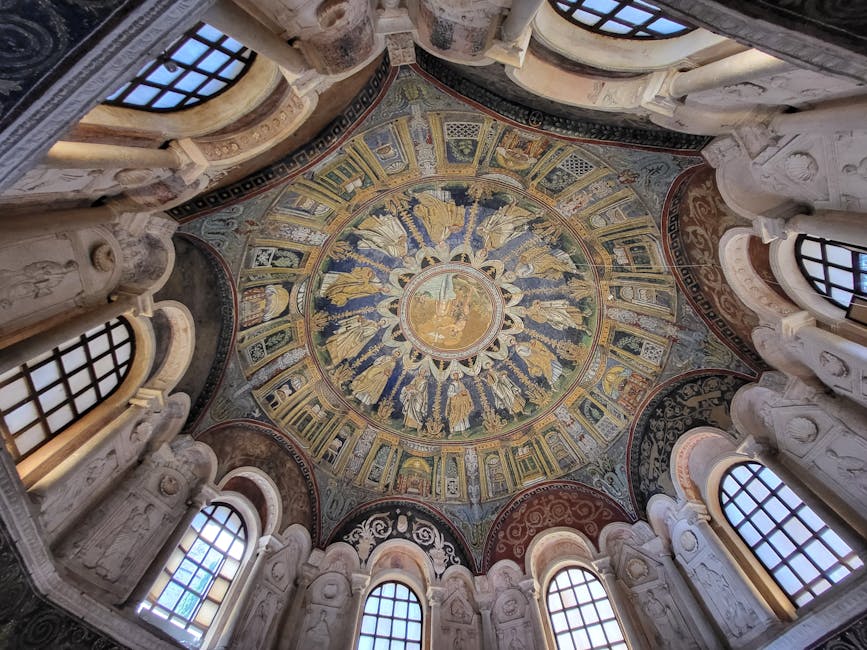
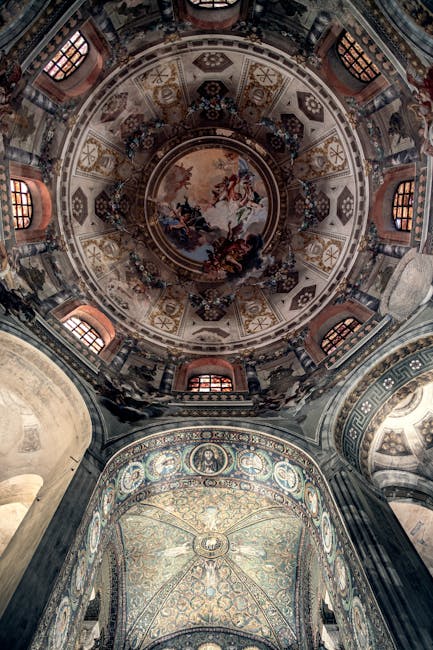
Description and visual notes: the dome of the Battistero Neoniano features Christ in Majesty surrounded by the baptism scene and saints — all rendered in glittering gold mosaics. The convex surface and the richness of the tesserae demand careful light handling. For a full-dome shot, the center of the circular floor is the classic spot: position yourself on the central axis for perfect symmetry. A moderate wide-angle (24–35mm on full frame) will let you frame the whole dome without severe perspective distortion. For details, a 50–100mm lens will capture the faces of angels and the golden tesserae without having to get too close.
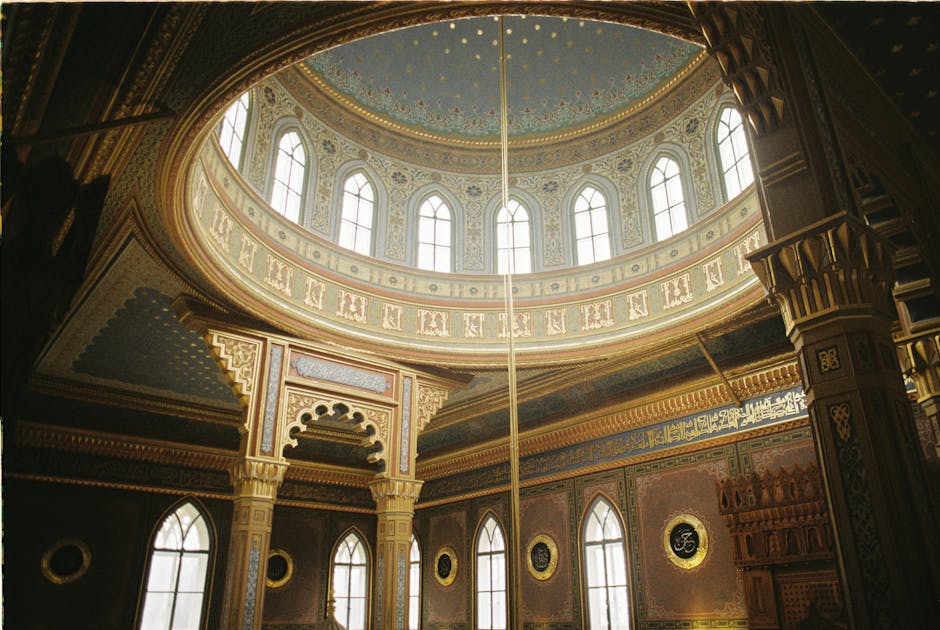
Practical framing tips:
- Central symmetry: set your tripod on the dome’s center if allowed. Check site rules on tripods — some museums require special permission or have a low rope limit to manage occupancy.
- ISO and exposure: start at ISO 200–400, f/5.6 to balance sharpness and depth of field; raise ISO if light is low but watch for noise.
- White balance: use a custom setting to faithfully reproduce gold and blue tones (try around 4200–4800 K depending on ambient light), or shoot RAW to tweak later.
- No flash: flash is generally prohibited to protect the mosaics. Bring a fast lens if you want to avoid motion blur.
Accessibility and services: the site is close to other monuments (Cattedrale di Ravenna, Museo Arcivescovile). Toilets and cafés are within 200 meters on Piazza Duomo. To avoid tour groups, arrive at opening time or late afternoon. In summer, late afternoon often brings warmer light from the west, giving the golds a spectacular glow.
Battistero degli Ariani — creative angles and practical info
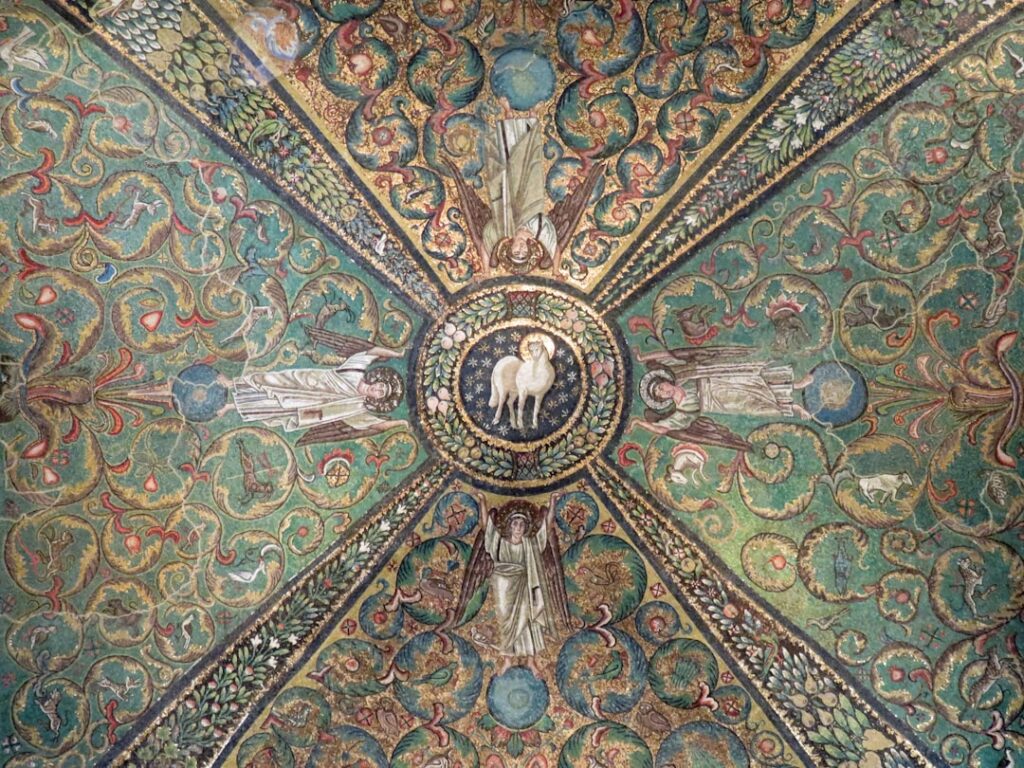
Address and access: Battistero degli Ariani, Via degli Ariani, 3, 48121 Ravenna RA, Italia. Indicative entry fee: €3.00 (reduced rates may apply). Usual opening hours: Tuesday to Sunday 10:00 – 17:30, sometimes closing earlier in low season; check online or with the tourist office. Founded in the 5th century under the Ostrogoths, this baptistery features a mosaicked vault centered on a child Christ surrounded by symbolic animals and baptized children — a smaller ensemble but notable for its finesse and intimacy.
Description and photographic approach: the dome of the Battistero degli Ariani feels more intimate, with narrative mosaic scenes that call for mid-range focal lengths to capture detail without losing coherence. A 35–85mm (full frame) works well: 35mm for interior width, 50–85mm to isolate figures. The tesserae are smaller and often set against a darker background, making golden highlights more punctuated. Look for contrasts between gold and deep blue, and use depth of field to emphasize human and animal figures.
Technical and artistic tips:
- Use side light: if high windows let in shafts of light, position yourself to catch oblique reflections — this brings out the tesserae relief.
- Detail series: alternate wide shots and close-ups to tell a story — start with the whole dome, then move to faces, hands, and geometric patterns.
- Bracketing: consider exposure bracketing (±1 EV) to merge into an HDR in post if you need maximum dynamic range.
Behavior and rules: respect the silence and religious rules; don’t obstruct others. Local guides may require a shooting fee for commercial use — check with the Servizio Monumenti e Musei of Ravenna if your photos will be published. For bulky equipment (tripods, lighting), prior authorization is almost always necessary.
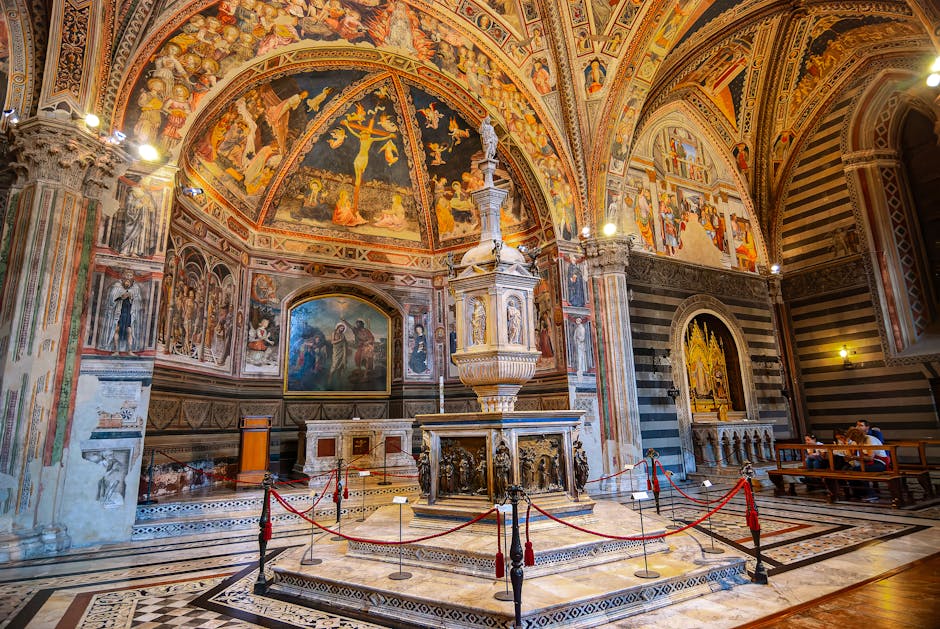
Shooting strategies, gear and a recommended walking route
Recommended equipment:
- Full-frame or APS-C camera with good low-light performance.
- Lenses: 24–70mm (versatile), 50–100mm for details, 16–35mm if you want exaggerated perspective (watch for distortion).
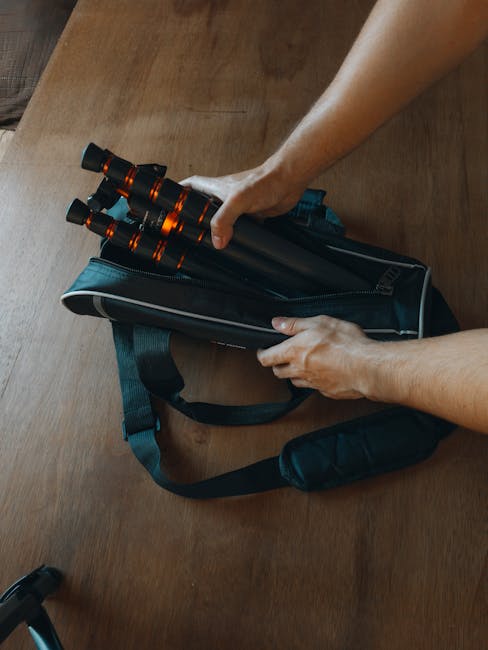
- Compact tripod with quick legs (check site permission).
- Remote shutter or timer to avoid camera shake.
- Memory cards, spare battery, microfiber cloth for lenses.
Recommended half-day walking route for photography:
- Start at the Battistero Neoniano, Piazza Duomo, 1 at opening (9:00). Recommended time: 45–60 minutes. Fee: €4.00.
- Cross to the Cattedrale di Ravenna (Piazza Duomo) for exterior shots and some architectural details. Quick visit: 20–30 minutes.
- Walk to the Battistero degli Ariani, Via degli Ariani, 3 (10–15 minutes on foot). Recommended time: 40–50 minutes. Fee: €3.00.
- Finish at the Basilica di San Vitale, Piazza San Vitale, 5 and the Mausoleo di Galla Placidia, Via Argentario, 22 to round out your Byzantine series (combined tickets sometimes available; total price usually around €8–12 depending on the option).
Local tips:
- Tourist office: Ufficio Informazioni Turistiche Ravenna, Piazza del Popolo, 1 — useful for confirming hours and combo tickets.
- Parking: the historic center is largely pedestrian; consider parking at Stazione or Parcheggio Dante (daily rates vary around €6–12 depending on season).
- Food & drink: cafés around Piazza Duomo (average espresso €1.20–1.50; lunch €10–18).
Post-processing, ethics and tips for sharing your images
Post-processing:
- Shoot RAW to tweak white balance and recover highlights in the golds without crushing the blue shadows.
- Noise reduction: use it sparingly at high ISOs to preserve the texture of the mosaics.
- Perspective correction: fix distortions if you used an extreme wide-angle, but keep symmetry for central views.
- Light dodge & burn: apply subtly to enhance relief reading without creating obvious artifices.
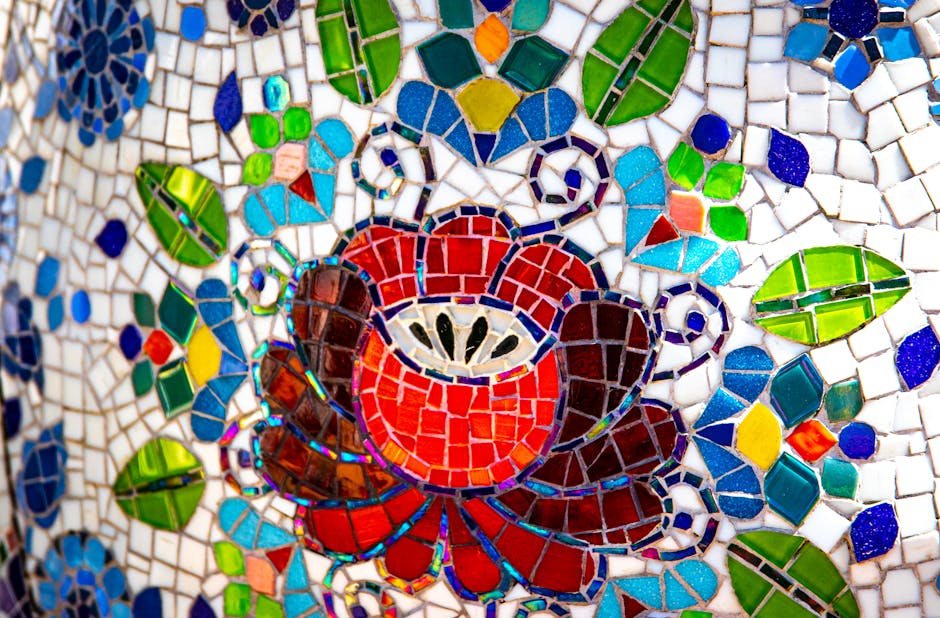
Ethics and rights: obey “no flash” and “no tripod” signs — and if you plan commercial use (exhibitions, selling prints), contact the Soprintendenza Archeologia, Belle Arti e Paesaggio per le province di Ravenna e Forlì-Cesena e Rimini for authorizations. For online publication, always include full location details (name, address) and credit where required.
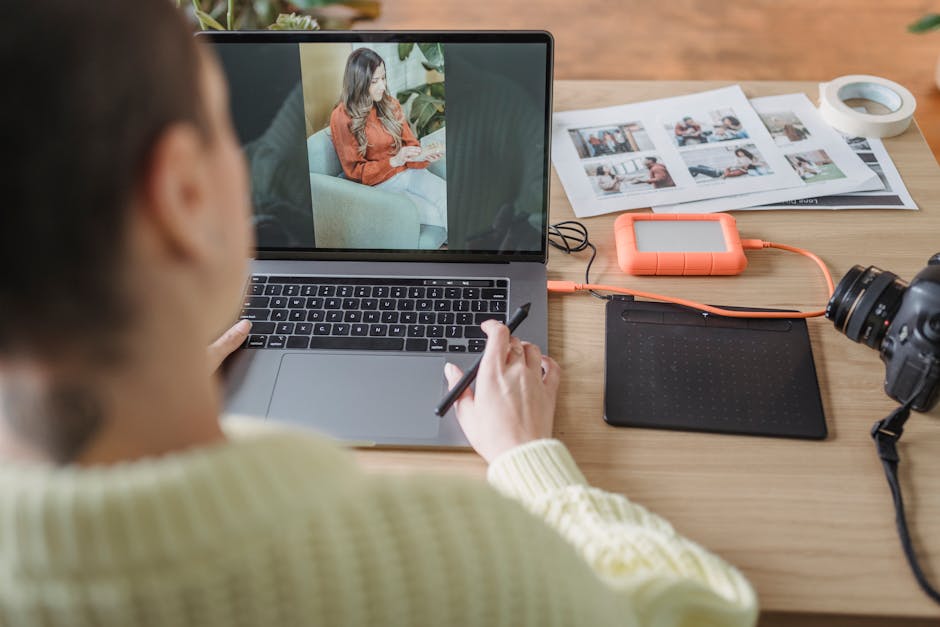
Presentation and promotion: favor large-print formats to honor the golden details; for social media, present a diptych series (wide shot + detail) to convey both the sacred scale and the material texture of the mosaics.
Conclusion
Shooting the domes of Ravenna’s two baptisteries — Battistero Neoniano (Piazza Duomo, 1) and Battistero degli Ariani (Via degli Ariani, 3) — combines technical precision, contemplative patience, and respect for heritage. With reasonable fees (around €3.00–€4.00 per baptistery, depending on season and concessions), morning and afternoon opening windows, and close proximity to major sites like Basilica di San Vitale (Piazza San Vitale, 5) and Mausoleo di Galla Placidia (Via Argentario, 22), you can easily plan a half- or full-day devoted to capturing these iconic domes.
The key to success is preparation: choose the right lenses (24–70mm and 50–100mm recommended), bring a compact tripod if allowed, shoot RAW, and follow the site rules. The practical tips here — from ISO and exposure settings to composition tricks and crowd-avoidance strategies — are meant to help you produce images that go beyond tourist snapshots. The process also carries an ethical dimension: preserve the quiet of the spaces, request permissions for commercial use, and always document your images with precise location info.
Finally, don’t underestimate slow looking: take time to study the mosaics, their patterns, and how light animates them. The best shots aren’t always the hurried ones, but those born of a dialogue between photographer and monument. Ravenna, with its brilliant golds and deep blues, offers endless visual exploration — and each baptistery will give you memorable images to bring home and share.