





Introduction: Ravenna by Starlight — a city steeped in mosaics
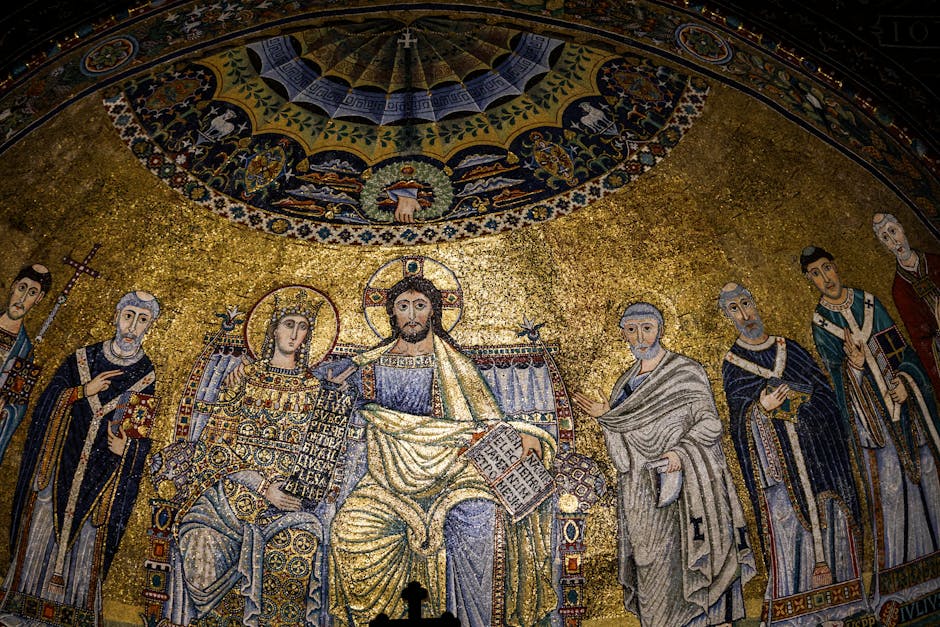
Ravenna, a small town on Italy’s Adriatic coast, is often hailed as a Western treasure of Byzantine civilization. Its churches and mausoleums hold vast stretches of history stitched together in tiny golden tesserae: luminous narratives that have been shining for centuries. And then there’s the Mosaic Night — an after-dark event that turns these sacred spaces into theatrical, contemplative stages, where artificial light embraces the gold of the mosaics and the city seems to fold gently around a glittering heritage.
Mosaic Night isn’t just a tour; it’s a sensory experience. The dusk outside, the cobbled lanes, the brick façades, then stepping into a basilica where warm light reveals holy faces and vegetal motifs made of minute tiles: everything is staged. Mosaics usually seen under harsh daytime light take on a different depth at night — reflections, shadows and golden hues come alive, and every detail gains fresh meaning. Visitors discover the narrative density of the mosaics: biblical scenes, emperors, winged angels, and a visual language that blends spiritual authority with artisanal mastery.
Beyond the visual spectacle, Mosaic Night also fosters an intimate encounter with the city’s major monuments: the Basilica di San Vitale, the Mausoleo di Galla Placidia, the Basilica di Sant’Apollinare Nuovo, the Battistero Neoniano and other landmarks that recall how Ravenna was a crossroads between Rome, Byzantium and medieval Europe. Programming often includes guided tours, musical performances, dramatic lighting designs and workshops on mosaic art. It’s a chance to understand not only the imagery but also the craft: choice of tesserae, laying techniques, the use of gold, and how these works have survived centuries despite wars and urban change.
If you’re planning to attend Mosaic Night, expect a city that feels both calm and lively, where cafés near the monuments stay open late and local guides — often passionate about Byzantine history — share anecdotes and technical details. In this article I offer a full guide: a recommended evening route, exact addresses, approximate prices, opening times, dining and lodging suggestions, plus practical tips to get the most out of this luminous nocturnal interlude. Bring comfortable shoes, a camera that performs well in low light (or simply your attentive eyes), and the curiosity to explore Ravenna when it’s dressed in its finest.
Why Mosaic Night feels magical: history, light and emotion
The magic of Mosaic Night starts with the deep history of Ravenna’s monuments. Ravenna was once the capital of the Western Roman Empire, later the seat of Ostrogothic power and then a Byzantine stronghold. This succession of influences explains the iconographic and technical richness of the mosaics. They are decoration, theology and political statement all at once: look at the Basilica di San Vitale (Via San Vitale, 17) and you’ll see Emperor Justinian and Empress Theodora portrayed as bridges between heaven and earth. Mosaic Night highlights these layers of meaning by altering chromatic perception through carefully designed lighting.
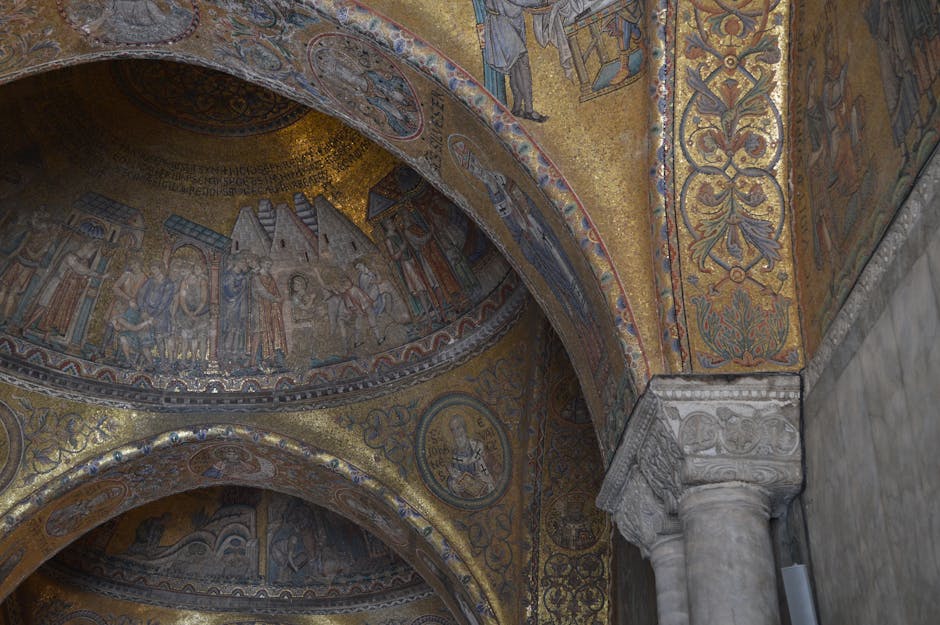
Night lighting is not incidental: spotlights positioned by conservators and lighting designers bring out the gold backgrounds and enhance the three-dimensionality of faces. In intimate spaces like the Mausoleo di Galla Placidia (Via San Vitale, 17), the effect can feel almost mystical — the starry dome appears like a concentrated sky above visitors. These lighting schemes respect conservation needs and are designed to avoid any thermal or photochemical damage.
Beyond the visual, Mosaic Night often offers complementary elements: sacred music concerts, poetry readings, or talks by restorers explaining conservation techniques. You hear the city differently: the soft tread of visitors, whispered conversations, and sometimes the murmur of an organ or a quartet that seems to converse with the tesserae. It’s a moment of secular reverence where art is contemplated in an almost religious atmosphere without necessarily being liturgical.
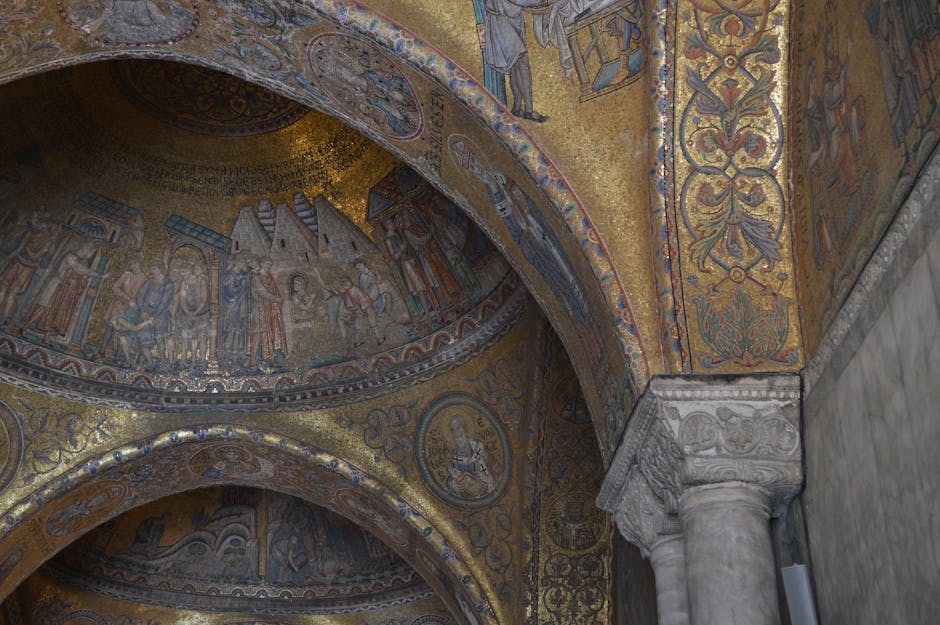
Emotionally, many visitors report a feeling of time shifting: at night the pace slows, and the eye can get lost in details without the pressure of a daytime tour schedule. Whether you’re an amateur photographer or a contemplative visitor, there’s something for everyone. For art-history buffs, it’s a unique chance to see how light changes the reading of narrative scenes. For families, it’s an educational moment: children are often captivated by colorful mosaics and animal or marine motifs common in baptisteries.
Recommended route for Mosaic Night: itinerary, addresses, times and prices
Here’s a practical, time-based itinerary to make the most of a Mosaic Night in Ravenna. Times and prices are given as a guideline and may change between editions; always check official websites before you go.
- Start — 7:00 PM: Meet at the Basilica di San Vitale, Via San Vitale, 17. Special night hours during the event: often open until 11:00 PM. Indicative price: combined ticket San Vitale + Mausoleo di Galla Placidia around €9–12 (reduced €5–8 for students/young people). Night guided tours: supplement of €5–10 depending on the organizer.
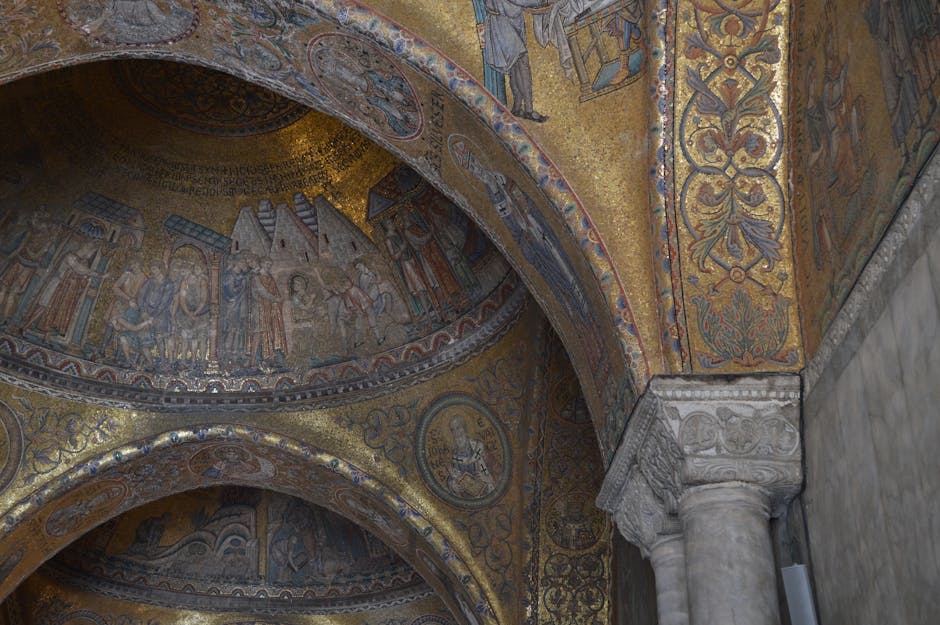
The Basilica di San Vitale is a perfect first stop: vast, imposing, you’ll find explanatory panels and often an initial lighting display. Allow 40–60 minutes to wander around the presbytery and study the imperial mosaics.
- 8:15 PM: A short walk away, the Mausoleo di Galla Placidia, Via San Vitale, 17. Night hours often match San Vitale; visits may be limited to time slots. Indicative price: included in the combined ticket. Recommended duration: 20–30 minutes.
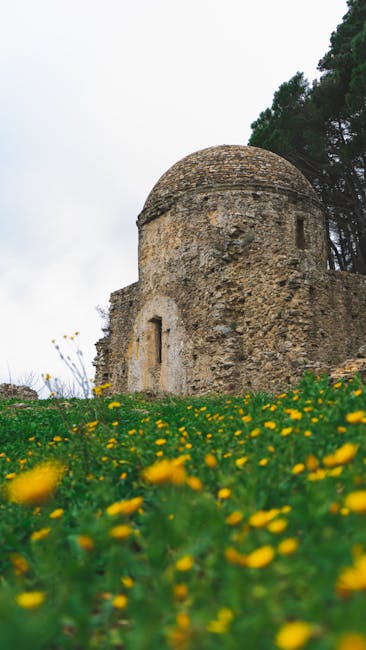
The mausoleum’s small size makes it especially intense at night: the starry dome and walls covered in Christian motifs create a concentrated emotional experience. Entry slots are sometimes limited to preserve an intimate atmosphere — book if possible.
- 9:00 PM: Head to the Battistero Neoniano, Piazza del Duomo. Night hours: often open until 10:30 PM during the event. Indicative price: €3–6 (single entry).
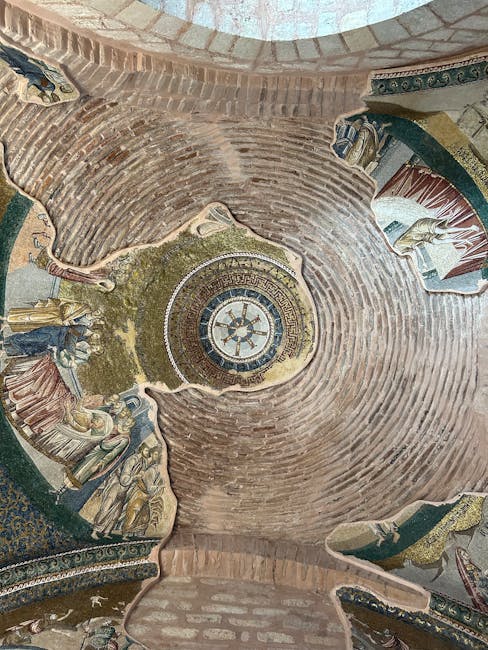
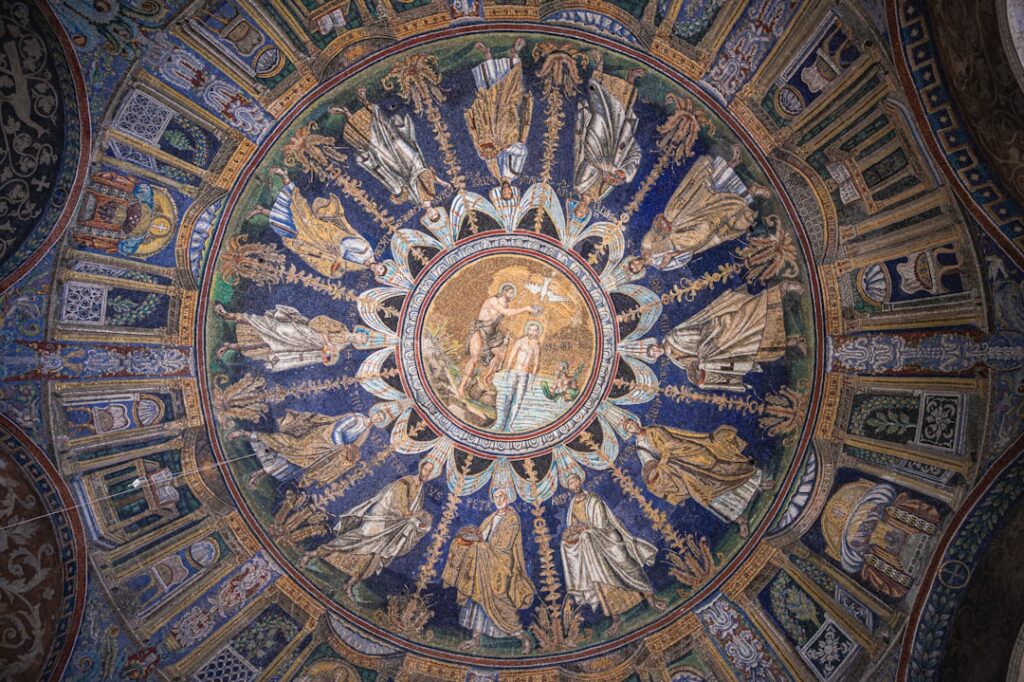
The baptistery is famed for its dome mosaics depicting the baptism of Christ — a central spectacle during the night, especially when the light is subdued and the water in the font reflects the gold. Plan for 20–30 minutes here.
- 9:45 PM: Basilica di Sant’Apollinare Nuovo, Via di Roma, 52. Special hours: often open until 11:00 PM. Indicative price: €6–8.
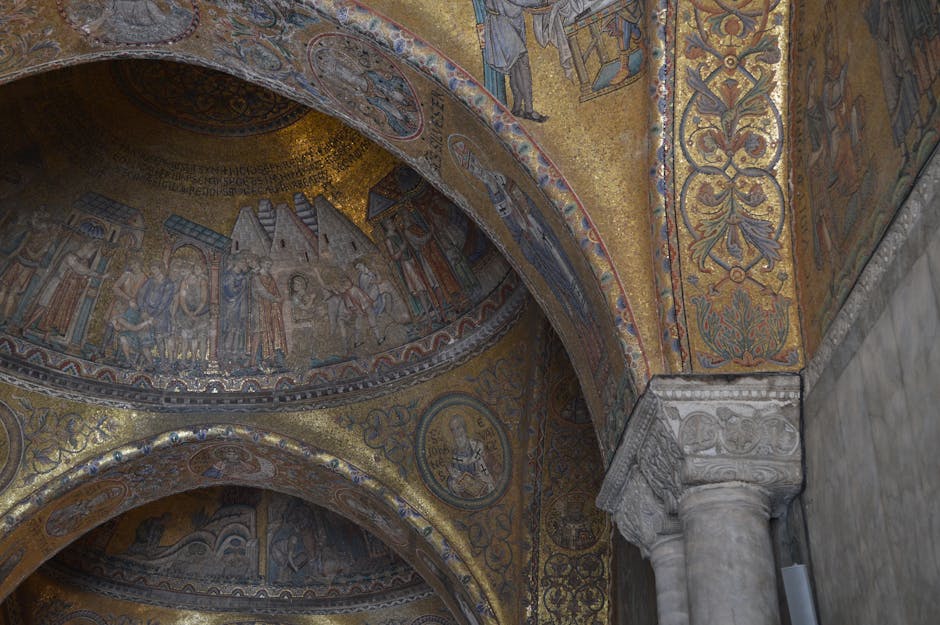
The basilica features long friezes of saints and processions; the linear storytelling reads especially well by night, letting you follow the narrative sequence. Finish the visit with a stroll through the historic streets to soak up Ravenna’s night atmosphere and, if available, catch a musical performance or talk near Piazza del Popolo.
Practical tips: where to stay, how to get around, where to eat and photography advice
Where to stay in Ravenna: prioritize the historic center to be close to the monuments. Examples of convenient addresses:
- Hotel Centrale Byron, Via Cesare Battisti, 8 — around €80–140 per night depending on season. Breakfast included. 5–10 minutes’ walk from the Basilica di San Vitale.
- NH Ravenna, Viale 2 Giugno, 3 — around €100–160 per night. Good modern comfort and quick access to transport links.
- For a more local feel, choose a B&B near Piazza del Popolo: prices vary from €60–120.
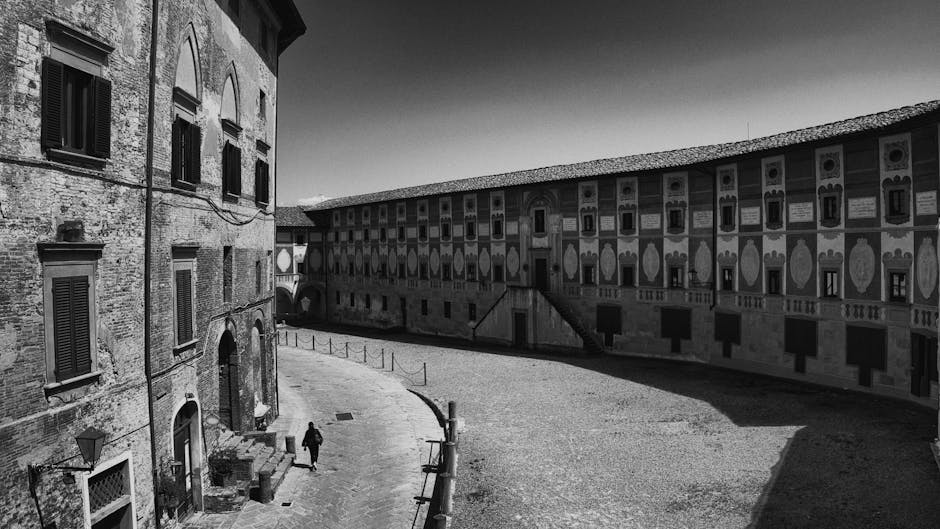
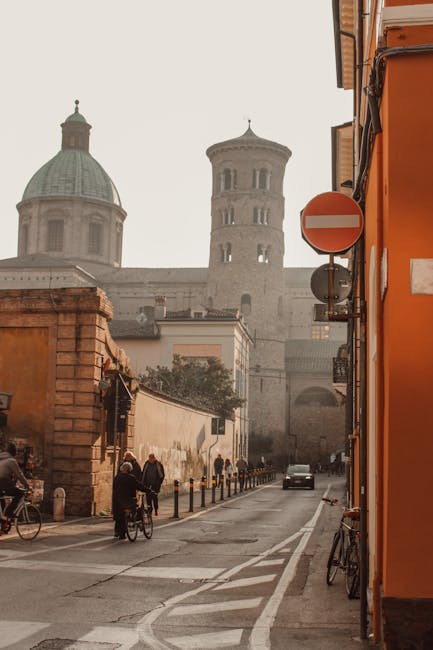
Getting around: Ravenna’s center is compact and easy to explore on foot. Major monuments sit within a 1–2 km radius. From Ravenna train station (Piazza della Libertà), expect a 15–20 minute walk to the museum area. Urban buses (ACT-Ravenna) also serve the city and the seaside town of Marina di Ravenna. If you arrive by car, use paid peripheral parking (e.g., Parking Porta Adriana or Mercato Coperto parking) and walk in: many historic centers restrict vehicle access.
Where to eat before or after the visit: Romagna cuisine is hearty. A few recommendations:
- Trattoria Al Cerchio, Via Ghibuzza, 2 — traditional dishes, piadine and ragù. Average per person: €20–35.
- Osteria del Tempo Perso, Via Camillani, 4 — creative local cuisine, often stays open late for event nights. Price range: €25–45.
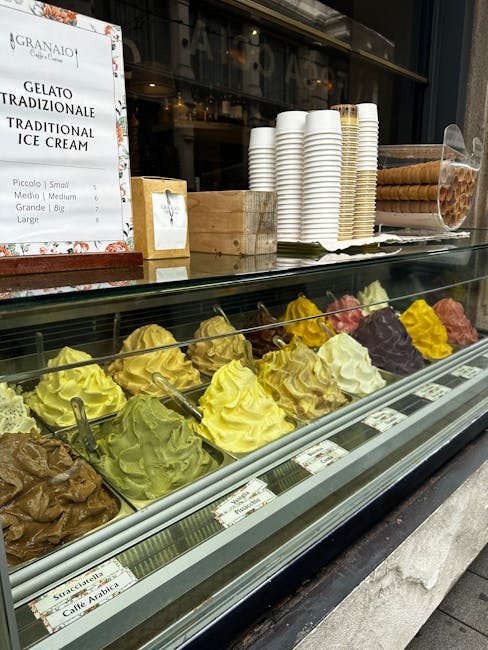
- For a quick dessert: a gelateria near Piazza del Popolo — gelato €2–4 per scoop.
Photography: at night use moderate to high ISO, a lightweight tripod if permitted, and shoot RAW if possible. Note restrictions at some sites (flash is usually banned but photography without flash may be allowed with limits). Respect conservation rules: no direct flash on mosaics and avoid touching surfaces.
Key monuments in detail: addresses, opening times and historical notes
Here’s a practical, immersive fact sheet on the main monuments typically included in Mosaic Night, with addresses, usual hours and approximate prices.
Basilica di San Vitale
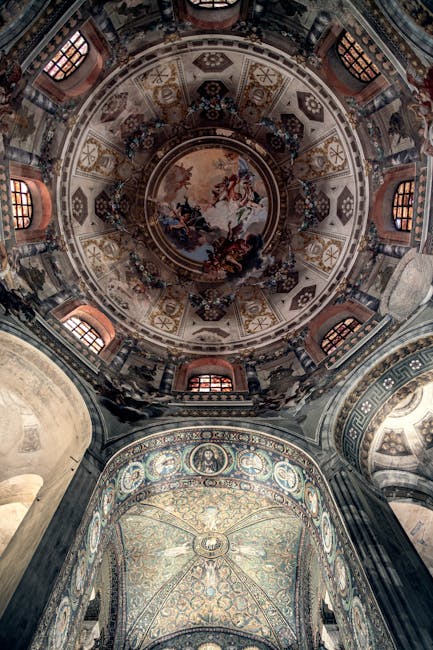
Address: Via San Vitale, 17, 48121 Ravenna RA, Italy. Hours: in tourist season generally 8:30 AM–7:00 PM (daytime), with extended hours on some nights during Mosaic Night (until 11:00 PM). Indicative price: combined ticket San Vitale + Mausoleo di Galla Placidia €9–12; guided tours priced separately. Description: a 6th-century octagonal building, a Byzantine masterpiece where mosaics narrate imperial sacrality and liturgy. The apse and chancel offer layered readings: christological iconography and representations of power.
Mausoleo di Galla Placidia
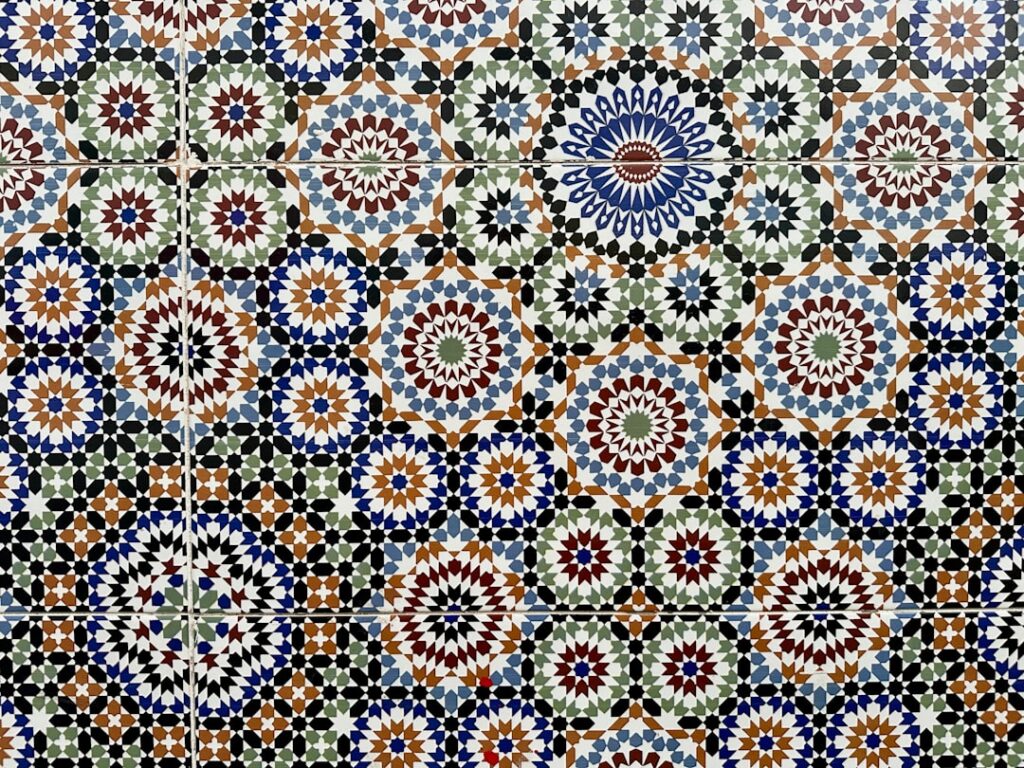
Address: Via San Vitale, 17, 48121 Ravenna RA. Hours: 9:00 AM–7:00 PM daytime; night slots possible during the event. Indicative price: sometimes included in the combined ticket (otherwise €3–6). Description: a small funerary building famous for its starry dome and intact mosaics. Its compact space creates a heightened sense of spiritual intensity.
Battistero Neoniano (Orthodox Baptistery)
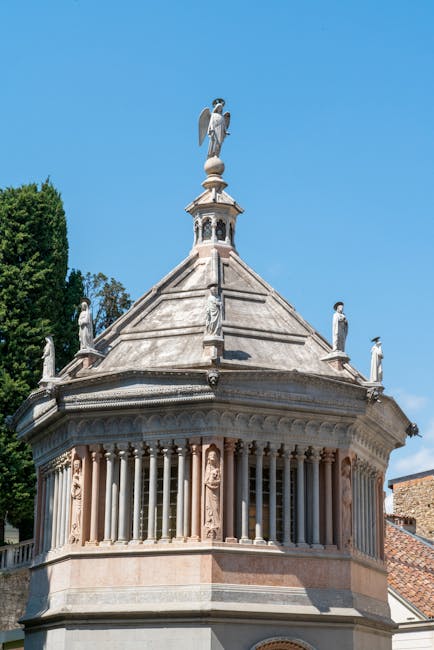
Address: Piazza del Duomo, 48121 Ravenna RA. Hours: 9:00 AM–6:00 PM daytime; open late on some evenings. Indicative price: €3–6. Description: a cupola of mosaics depicting the baptism of Christ; the marine iconography and the baptismal font are highlights for understanding sacramental practice in the early Middle Ages.
Basilica di Sant’Apollinare Nuovo
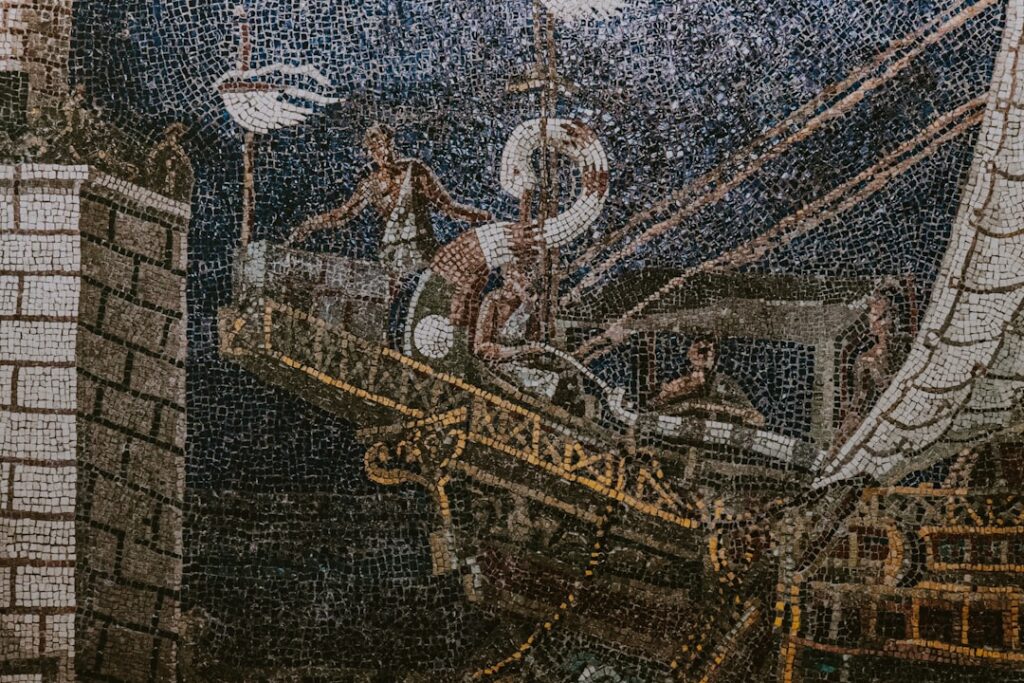
Address: Via di Roma, 52, 48121 Ravenna RA. Hours: 9:00 AM–6:00 PM daytime; opens at night for events. Indicative price: €6–8. Description: a long nave decorated with friezes that tell stories of processions and saints. The narrative layout reads like a liturgical storyboard — ideal for focused night-time observation.
Conclusion: why you should experience Mosaic Night in Ravenna
Attending Mosaic Night in Ravenna means choosing an intimate, refreshed perspective on a world-unique heritage. Mosaics are more than decoration — they are texts of stone and gold that tell stories of faith, power, craft and cultural exchange between East and West. At night, these texts are illuminated differently: light sculpts the tesserae, reveals hidden details and invites a slow, almost contemplative reading. You’ll leave changed: the city will have given you a visual and emotional experience that daylight often cannot fully provide.
Practically, plan ahead for Mosaic Night. Book tickets when possible, prioritize time slots for smaller sites, and aim to arrive early to soak in the ambiance of Piazza del Popolo before your visit. Whether with family, a partner, solo as a history buff, or just curious, you’ll find evening readings, music and talks that enrich your discovery. Ravenna also offers a warm culinary scene and comfortable lodgings steps from the sites, so you can linger without rushing.
Finally, remember that Mosaic Night is best experienced with respect: respect for the artworks, the schedules and fellow visitors. Prepare your camera according to rules, but above all, leave room for contemplation. Ravenna’s mosaics, lit by night, tell a story of light and silence. It’s an invitation to slow down and be carried away by centuries of glittering history — a rare, moving and deeply human experience.