





Introduction: Galla Placidia — a journey into Ravenna’s Byzantine mosaics
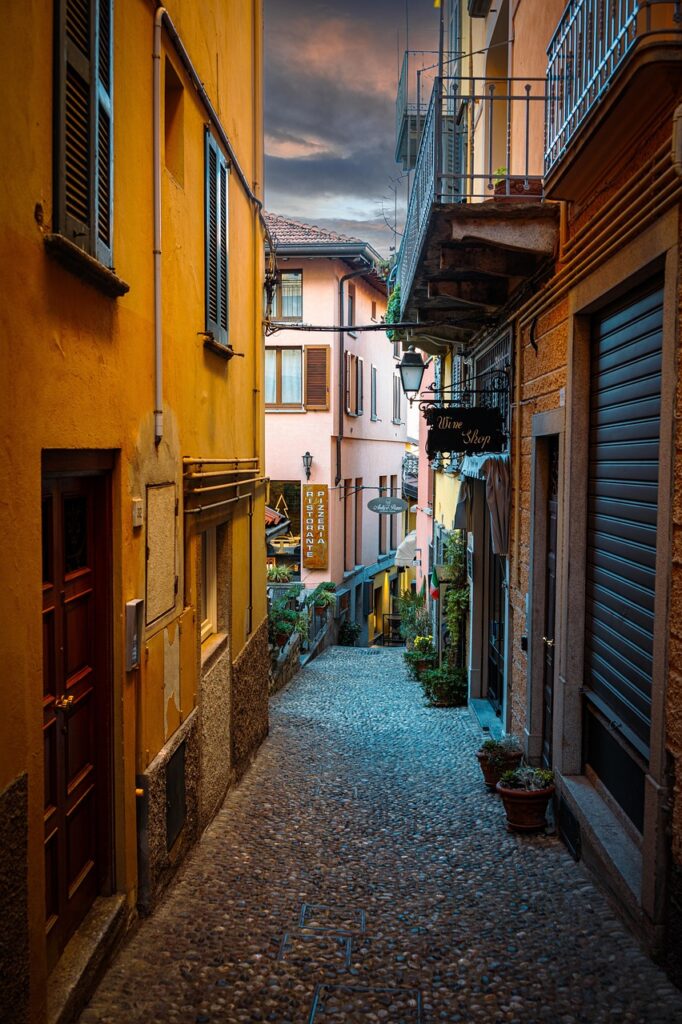
Ravenna is a living museum where every alley tells the story of a crossroads between the late Roman Empire, Byzantine East, and Germanic cultures. At the heart of that story, both the figure and the monument of Galla Placidia occupy a special place: not only because the mausoleum that bears her name houses one of the oldest and most outstanding Christian mosaics in Western Europe, but also because the whole city displays, almost within arm’s reach, a coherent set of paleochristian and Byzantine buildings listed as a UNESCO World Heritage site. This article is a practical, full guide to understanding, visiting and savoring the visual and spiritual experience of Ravenna’s mosaics, with a special focus on the Mausoleo di Galla Placidia.
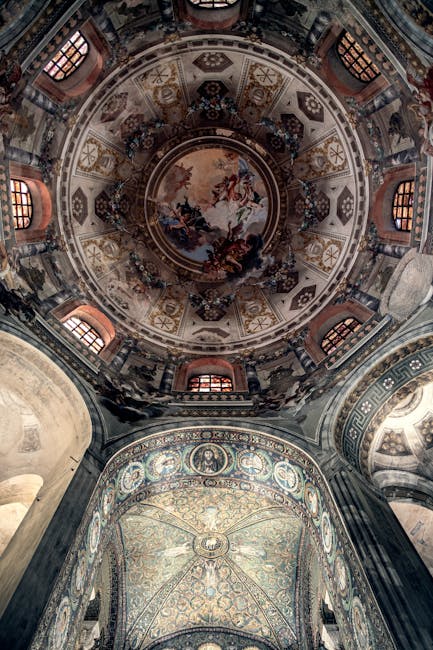
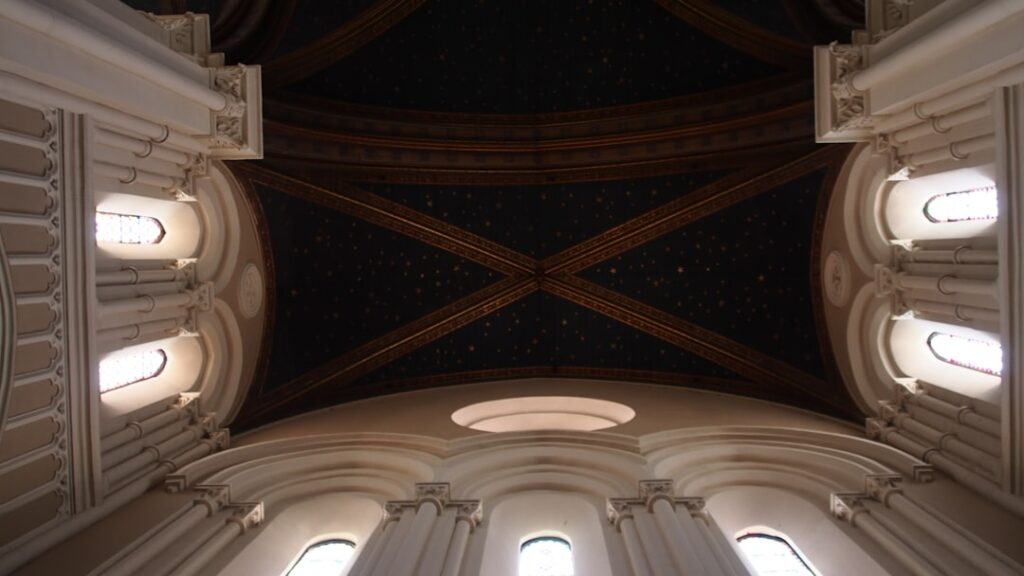
Visiting Ravenna isn’t just a succession of images: it’s an immersive walk where light, material and symbolism respond to one another. Glass and stone tesserae, often gilded, reflect light in a distinctive way, creating a kind of chromatic theater that has endured through the centuries. Inside the Mausoleo di Galla Placidia, with its deep-blue starry dome and serene figures, you immediately sense a break with classical Roman aesthetics and the embrace of imagery that is deeply Christological and celestial. There, the Virgin, the Good Shepherd and allegorical scenes seem to converse with the vaulted firmament, producing a rare, intimate sacredness that’s instantly readable.
This guide is aimed at curious and discerning travelers: it provides practical details — full addresses, opening hours, prices in euros, photography tips that won’t disturb other visitors, and the best times to avoid crowds — while offering keys to historical and artistic interpretation. You’ll also find suggested routes to extend your visit to other major Ravenna sites: the Basilica di San Vitale, the Battistero Neoniano (Baptistry of Neon), the Battistero degli Ariani (Arian Baptistry), the Museo Arcivescovile di Ravenna, and the Basilica di Sant’Apollinare Nuovo. Each place is described in detail to help you prepare, whether you’re stopping by for a short visit or studying Byzantine mosaics more deeply.
Beyond practicalities, this guide includes local tips to enrich your experience: where to grab a coffee after your visit, how to combine tickets to save money, how to follow conservation rules (no flash, keep a distance from mosaics), and the best times of day to see natural light dancing off gilded tesserae. Get ready for a sensory journey where history, art and spirituality meet in an unassuming yet exceptional urban setting: Ravenna and its treasure, the Mausoleo di Galla Placidia, are waiting.
1) Mausoleo di Galla Placidia: detailed visit, address, opening hours and prices
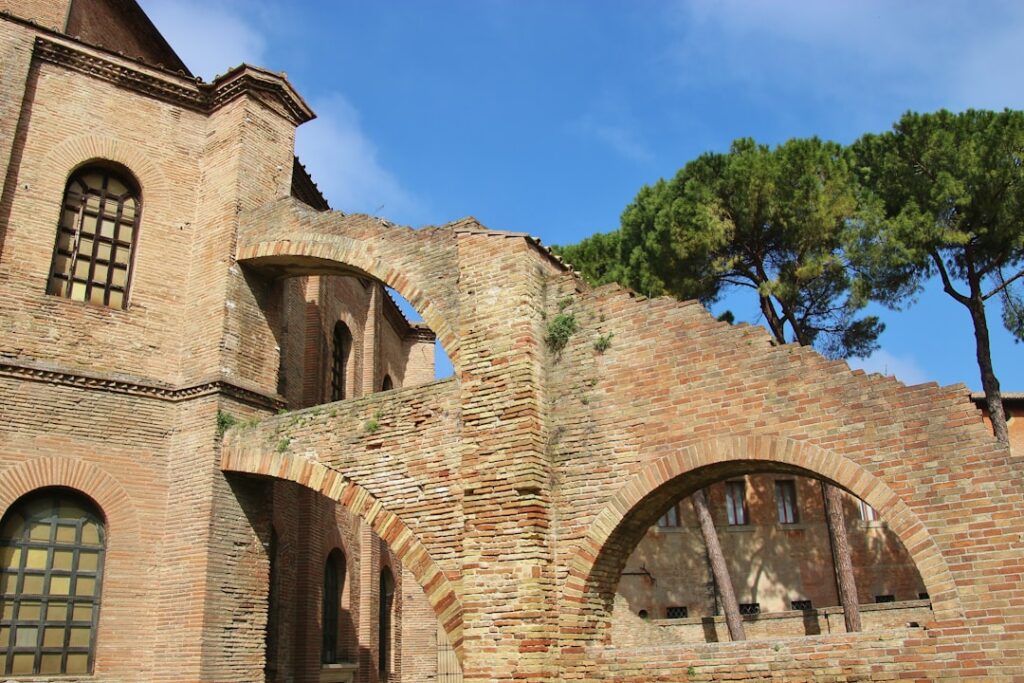
The Mausoleo di Galla Placidia is often the unmissable first stop for visitors to Ravenna. Exact address: Mausoleo di Galla Placidia, Via Argentario, 22, 48121 Ravenna RA, Italy. Small and discreet from the outside, the mausoleum reveals an explosion of color as soon as you step through the door: a dome studded with gold stars on a deep blue background, and mosaic panels where Christian iconography is already fully formed. The commonly accepted dating places its construction and decoration in the first half of the 5th century.
Opening hours (confirm locally as they can vary by season): generally open daily from 09:00 to 19:00 in high season (April–October); reduced hours in low season, typically 09:00–17:30 (November–March). Entrance fee: single ticket roughly €5.00–€6.00 per person. There are often combined tickets (Palaeo-Christian Monuments / Ravenna Pass) granting access to multiple sites for €10.00–€12.00; check current prices at the ticket office or on the Soprintendenza’s official site.
Immersive description: you enter an almost intimate, human-scale space. Light filtered through small windows highlights the gilded tesserae, producing a shimmer that evokes the celestial firmament. Across the vaults and walls, allegorical figures unfold — the Good Shepherd Christ, the agnus, and scenes evoking the heavens — often schematic but highly expressive. The fragile state of these mosaics requires strict rules: no flash, no touching, and stay behind the balustrades. The mosaics retain a surprising chromatic freshness thanks to the materials used and conservation efforts.
Local practical tips: arrive early, ideally at opening, to enjoy the calm and soft light. Avoid midday when tour groups and coaches arrive. If you’re interested in photography, bring a fast lens and spare batteries; low light indoors demands adapted settings. For a richer reading, pick up an audio guide (often available at the ticket counter) or a printed guide — the onsite panels are clear but concise.
2) Basilica di San Vitale and the imperial mosaics
The Basilica di San Vitale is located at Piazza San Vitale, 1, 48121 Ravenna RA, Italy. It’s one of Ravenna’s most famous monuments, notable for its 6th-century mosaics including the renowned imperial panels of the Byzantine Emperor Justinian and Empress Theodora. The basilica is very centrally located, just a few minutes’ walk from the Mausoleo di Galla Placidia.
Opening hours: in high season the basilica is usually open from 08:30 to 19:30; in low season from 08:30 to 17:30. Entrance fee: single ticket about €10.00–€12.00. There are combined tickets that include San Vitale and the Mausoleo di Galla Placidia for around ten euros, which is a good saving if you plan to visit multiple sites. Verify details at the ticket office or on the Soprintendenza’s official channels.
Immersive description: stepping through San Vitale’s entrance, visitors are struck by the dramatic effect of the gilded mosaics. The choir and apses are entirely covered with celestial and terrestrial imagery mixing holy figures, kings and members of the imperial court. The panels of Justinian and Theodora, placed on either side of the apse, are not portraits in the modern sense but highly symbolic images expressing the alliance between political power and ecclesiastical authority. The mosaics narrate biblical episodes, liturgical symbols and heavenly scenes, with gold often dominating to signify divine light.
Practical tips: take the time to go up to the gallery (if open to the public) for a better perspective on the mosaics. Avoid rushed visits: the gilded surfaces reveal details (small inscriptions, embroidered garments, animals) that aren’t obvious at first glance. Local guides offer themed tours (history, iconography, mosaic technique) — useful if you want to dive deeper. Near San Vitale you’ll find cafés and small restaurants serving simple Romagnol fare after your visit.
3) Battistero Neoniano, Battistero degli Ariani and the Museo Arcivescovile: baptistries, Christological scenes, and liturgical treasures
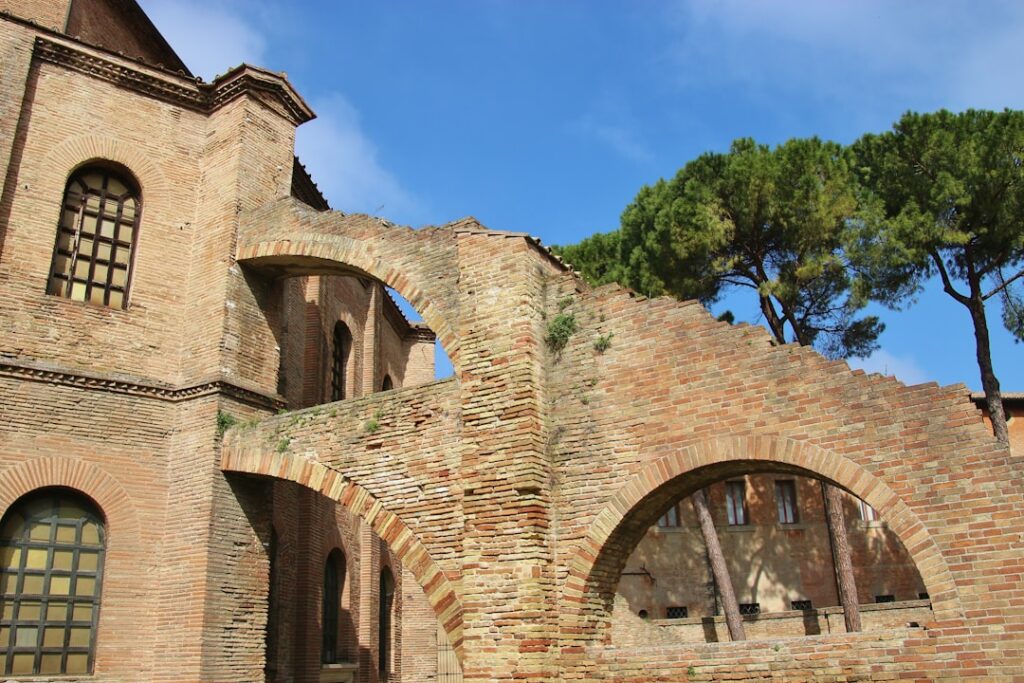
The Battistero Neoniano (Neon Baptistery), also called the Battistero degli Ortodossi, is located in the Duomo complex, Piazza Duomo, 48121 Ravenna RA, Italy. The Battistero degli Ariani (Arian Baptistry) can be found at Via degli Ariani, 1, 48121 Ravenna RA, Italy. The Museo Arcivescovile di Ravenna is often accessed from the same area: Museo Arcivescovile, Piazza Duomo, 6, 48121 Ravenna RA, Italy. These three sites form an essential narrative trio for understanding the development of liturgical imagery in Ravenna.
Hours and prices: Battistero Neoniano — typical hours 09:00–18:00, entrance roughly €4.00; Battistero degli Ariani — variable hours 09:00–17:30, entrance roughly €4.00; Museo Arcivescovile — 09:00–17:30, entrance around €4.00. Again, combined tickets often exist for multiple monuments, lowering the unit cost. Students and seniors may be eligible for reduced fares: bring ID or a student card.
Immersive description: the Battistero Neoniano is a small octagonal space dominated by a mosaic above the baptismal font showing Christ in a symbolic bath, surrounded by angels and a procession of neophytes. The dome mosaic’s vivid colors are striking: it’s like reading a liturgy in images. The Battistero degli Ariani, though more austere, presents an interesting iconographic program linked to Arian beliefs that were influential in Ravenna during the 5th–6th centuries; its structure mirrors the orthodox baptistery’s layout but with symbolic differences.
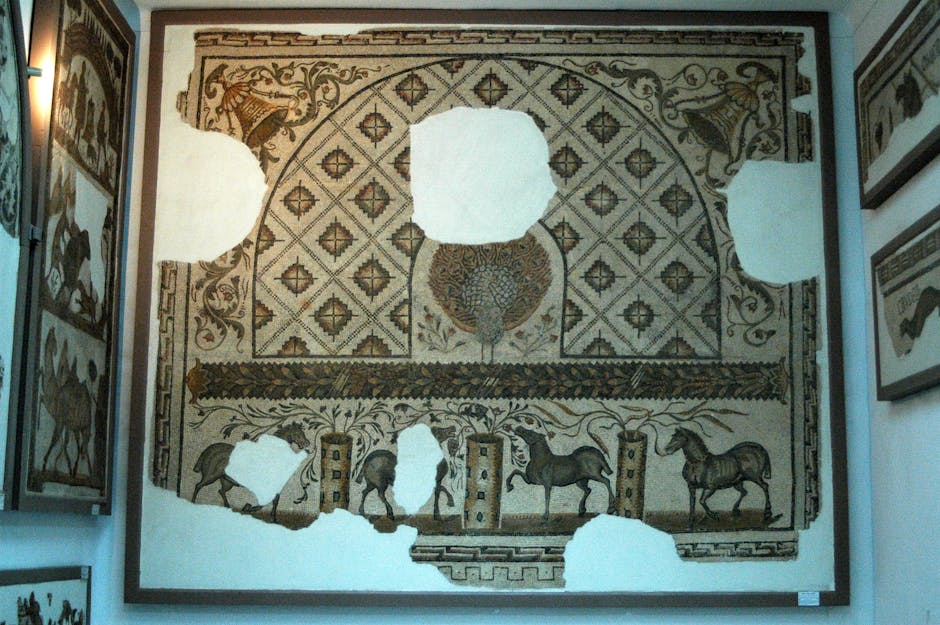
The Museo Arcivescovile provides essential context: chasses, reliquaries, mosaic fragments and explanatory panels place the monuments within their liturgical and archaeological framework. The museum sometimes displays panels or reconstructions that help explain mosaic technique (glass tesserae, stones, gold leaf), iconographic cycles and modern restorations.
Local tips: combine the three sites to gain a complete view of baptism and Christian imagery in Ravenna. Pick up an audio guide at the museum to decode inscriptions in Greek and Latin. For a quieter experience, visit on weekday mornings or late afternoons in low season. If you’re driving, be aware the historic center is often within a restricted traffic zone (ZTL): park in a public car park (for example Parcheggio Stazione or the Piazzale dei Caduti lot) and walk to the monuments.
4) Basilica di Sant’Apollinare Nuovo and the Arian/Orthodox visual narrative
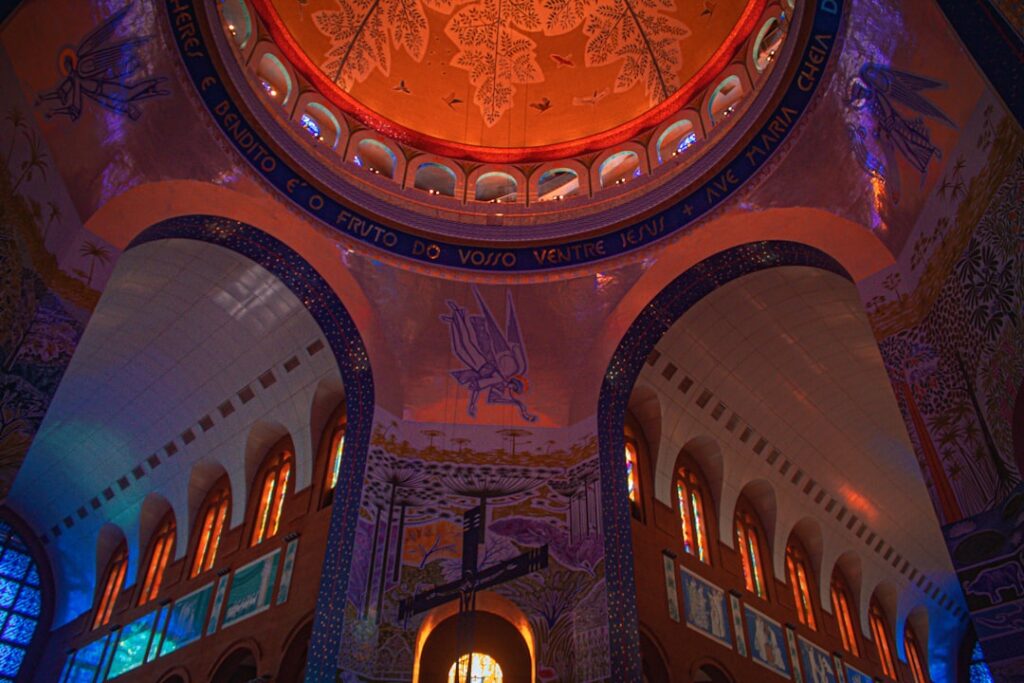
The Basilica di Sant’Apollinare Nuovo is at Via di Roma, 63, 48121 Ravenna RA, Italy. Built in the early 6th century by the Ostrogoth king Theodoric and later transformed under Byzantine rule, Sant’Apollinare Nuovo displays a series of mosaic friezes that narrate biblical scenes and processions of martyrs and saints. Its exact address and proximity to other major monuments make it an easy stop on a walking tour.
Opening hours and price: normally open from 08:30 to 19:00 in high season, with reduced hours in low season; entrance fee around €6.00–€8.00. Combined tickets with other sites may be available. As always, check official schedules before your trip, since religious services can alter opening times.
Immersive description: Sant’Apollinare Nuovo unfolds a story in bands: Saint Jerome or Saint Apollinaris appears among processions of saints and martyrs, alternating biblical scenes and allegorical figures. The mosaics, arranged in continuous friezes, create a visual narrative readable even without scholarly commentary. Viewers sense visual order and hierarchy: sacred figures above, narrative scenes below, while the golden background unifies everything in a celestial atmosphere.
Practical tips: pay attention to clothing details and inscriptions that identify figures. The Sant’Apollinare Nuovo mosaics are highly photogenic in side light; if you’re into photography, visit in the early morning or late afternoon for soft contrasts. For a more reflective experience, sit for a few minutes in the nave and let your eyes travel along the friezes: you’ll then perceive the narrative and theological coherence of the program.
5) Practical routes, money-saving tips and dining recommendations
Practical organization: Ravenna is easily explored on foot; the historic center is compact and most major monuments are 15–20 minutes apart. If you want to save money, look into the Ravenna Card (tourist card) or combined « Palaeo-Christian Monuments » tickets granting entry to multiple sites at a reduced rate (often between €10.00 and €18.00 depending on the combination). Local tourist offices (Ufficio Informazioni e Accoglienza Turistica – IAT, Via Corrado Ricci 6, 48121 Ravenna RA) can provide updated maps and information.
Tips for avoiding crowds: arrive at opening (09:00) for the Mausoleo di Galla Placidia and San Vitale. Afternoons, especially in high season, are busier. If time is limited, prioritize an early visit to the mausoleum and San Vitale, then grab a quick lunch before exploring the baptistries and museums.
Conservation and respect tips: never touch the mosaics; avoid using flash photography; keep a respectful distance from barriers. Some sites limit the number of simultaneous visitors — be patient and follow staff instructions. Restoration work can sometimes restrict access to certain areas: use that time to read the documentation on restoration methods, often available in the museum.
Local food recommendations after your visit: for coffee and pastries, try Pasticceria Berti, Via Cavour 7, 48121 Ravenna RA (typical hours 07:30–20:00). For a regional lunch, Trattoria al Cambio, Via di Roma 15, 48121 Ravenna RA, serves traditional Romagnol dishes (piadine, passatelli, tagliatelle). Meal budget: coffee €1.20–€2.50, simple lunch €12.00–€20.00 per person. These places are a short walk from the monuments and offer a pleasant break after a morning of discoveries.
Conclusion: extending the Byzantine experience and tips for a successful stay
Ravenna and its mosaics offer a lesson in history and beauty that goes beyond a simple tourist stop: it’s an immersion into an aesthetic and visual theology that shaped Western and Eastern Christianity. The Mausoleo di Galla Placidia remains, in its small scale and the density of its decoration, a masterpiece of contemplative intimacy. Pairing its visit with San Vitale, the baptistries, the Museo Arcivescovile and Sant’Apollinare Nuovo allows you to grasp Ravenna’s full visual narrative.
To prepare your trip, keep a few simple but essential rules in mind: check current opening hours and prices (seasonal changes and conservation work can affect access), favor combined tickets to save money, and plan your visits early in the morning to avoid crowds and enjoy ideal light. Respect conservation rules (no flash, no contact), and consider bringing a guidebook or audio guide to decode the scenes and inscriptions that punctuate the mosaics.
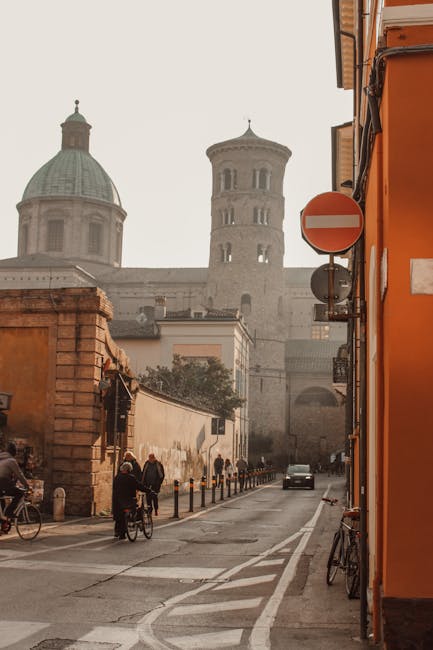
Finally, give yourself time to wander Ravenna: its small squares, cafés and lanes complete the artistic experience. The city reveals itself slowly, at the pace of mosaics, coffee and conversations with passionate local guides. Whether you come for a day or a longer stay, Ravenna and the Mausoleo di Galla Placidia promise a memorable experience where Byzantine art literally shines in the light of history.