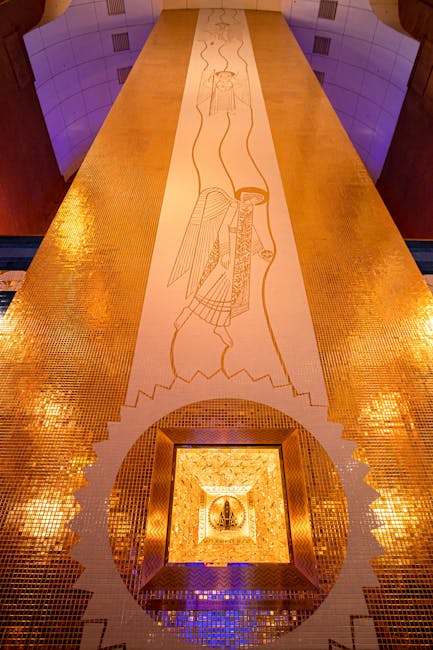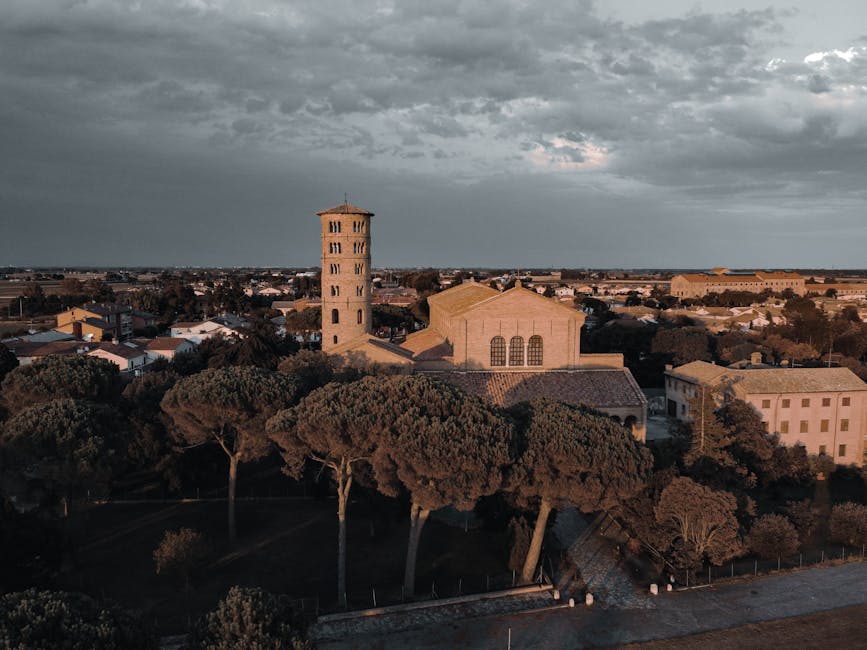





Introduction — From Glass to Faith: Byzantine Mosaics Explained in Ravenna
Ravenna, a compact town in Emilia‑Romagna, is essentially an open book on western Byzantine art. Between the 7th and 9th centuries, under the influence of Constantinople and local elites, the city developed a unique mosaic tradition that goes far beyond decoration to become a theological and political language. “From Glass to Faith” doesn’t just describe the material technique — shaping and laying the tesserae — it also explores the spiritual and liturgical intent that turns every surface into a living image of devotion. This guide offers a technical and sensory immersion in Ravenna: how tesserae are made, why certain colors and gilding were chosen, and how to read a mosaic the way you’d listen to a sermon.
Beyond the technique, it’s essential to place these works in their local context: churches, mausoleums and museums in Ravenna where natural light interacts with gold‑leafed glass to create the luminous effects Byzantine mosaicists prized. We’ll focus on concrete sites — addresses, opening hours, current ticket prices and practical tips — so you can plan a thoughtful and respectful visit. Each venue has its own acoustics, solar orientation and history — all factors that shape how the mosaics are perceived.
Technically speaking, Byzantine mosaic is an art of detail and repetition: colored glass tesserae, stone, glass paste, sometimes backed with gold or silver; preparing the support (intonaco), preliminary cartoons, laying in opus vermiculatum for faces and opus tessellatum for backgrounds, jointing and polishing. But these steps sit at the intersection of craft know‑how and embodied theology. For example, a gold background isn’t simply visual luxury — it symbolizes timeless divine light. In the sections that follow we’ll break down the technique step by step, with practical references in Ravenna: where to spot each process, what details to watch for, and which museums run workshops or guided presentations.
This guide also gives practical advice: the best times to visit (to avoid crowds and catch light that reveals tesserae reflections), photography rules (flash often prohibited), appropriate behavior in places of worship, and tips to deepen the experience — for instance, a visit to the restoration lab at the Museo Nazionale di Ravenna or joining a local lecture. Finally, we’ll stress the importance of recent restorations and conservation protocols, which shape how we read these masterpieces today. Get ready to look closely, understand the mosaicist’s hand, and feel how each tessera invites visual and spiritual contemplation.
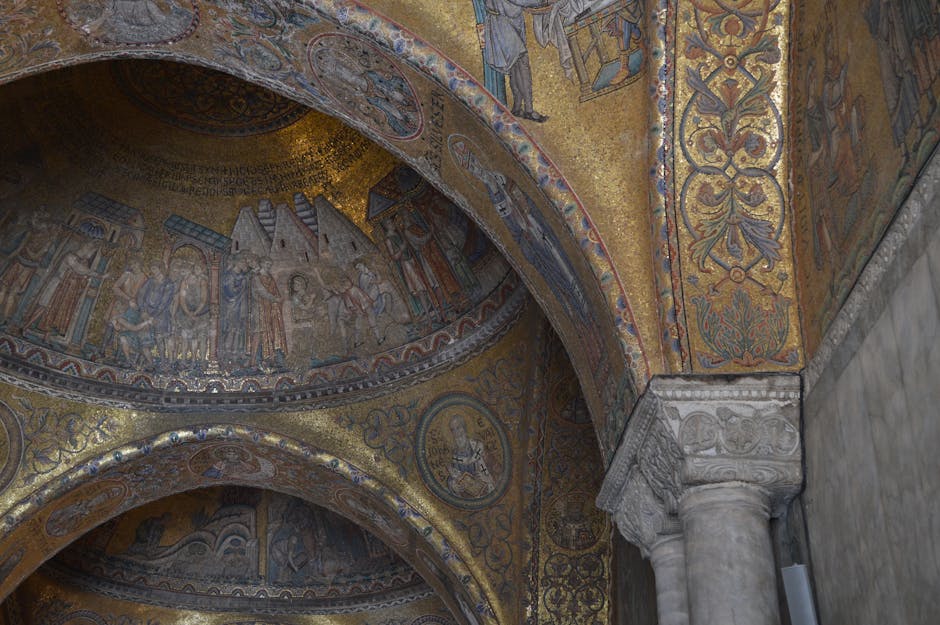
Basilica cathedral and sacred space: a technical visit to the Basilica di San Vitale
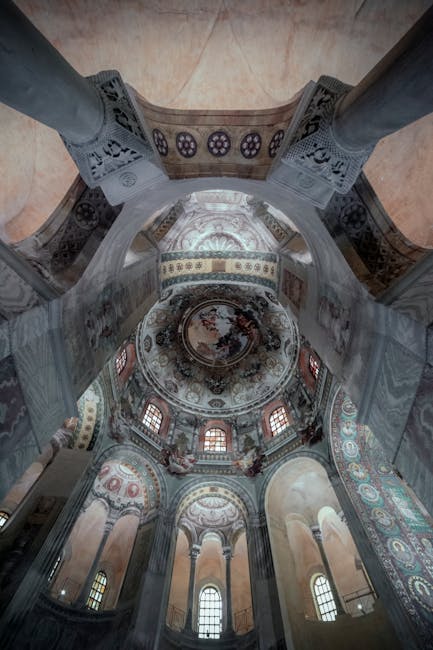
The Basilica di San Vitale is arguably the most emblematic site for studying Byzantine mosaic in a liturgical setting. Address: Piazza di San Vitale, 1, 48121 Ravenna RA, Italy. Opening hours: generally open daily from 9:00 to 19:00 (last entry 18:30); hours may vary with seasons and services. Tickets: individual entry around €10.00 (reduced rates for students and seniors; combined tickets available). These details are indicative — check current times and prices before you go.
On site, pay attention to the use of small colored glass tesserae (opus vermiculatum) for faces and larger, more varied pieces for backgrounds and drapery. Byzantine technique relies on several concrete elements:
- Support and intonaco: beneath the tesserae lies a fresh plaster layer, the intonaco, which allows the tesserae to be set directly and adhere firmly. Mosaicists worked in sections, applying only a limited amount of wet intonaco so it stayed workable.
- Glass paste tesserae and gold backing: gold‑backed glass tesserae are made by sandwiching a thin sheet of gold between layers of clear glass; when set, they produce exceptionally reflective surfaces.
- Orientation and light: the basilica was designed so that morning light strikes the apse mosaics, intensifying golden reflections and creating a sense of an otherworldly space.
Practical tips for the visit: arrive early in the morning to enjoy light that highlights the tesserae’s chromatic richness. Audio guides and in‑person tours are valuable — they explain the mosaics’ chronology, the meaning behind scenes (for example the famous panels of Emperors Justinian and Theodora) and the specific techniques used. Note that photography without flash is usually allowed, but always check the notices on site. Keep silence and show respect: these are active places of worship.
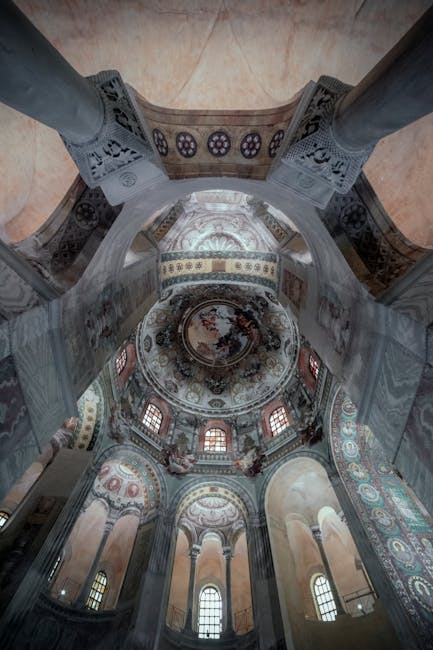
Mausoleo di Galla Placidia and the finesse of small formats: reading an intimate masterpiece
The Mausoleo di Galla Placidia, at Via Argentario, 22, 48121 Ravenna RA, Italy, is modest in size but a treasure trove for technical observation. Opening hours: often open from 9:00 to 19:00 (seasonal variations). Tickets: individual entry around €4.00 to €6.00; frequently included in combined tickets. The mausoleum’s small scale lets you see, from close up, how tesserae are arranged to create subtle gradients and perspectival effects.
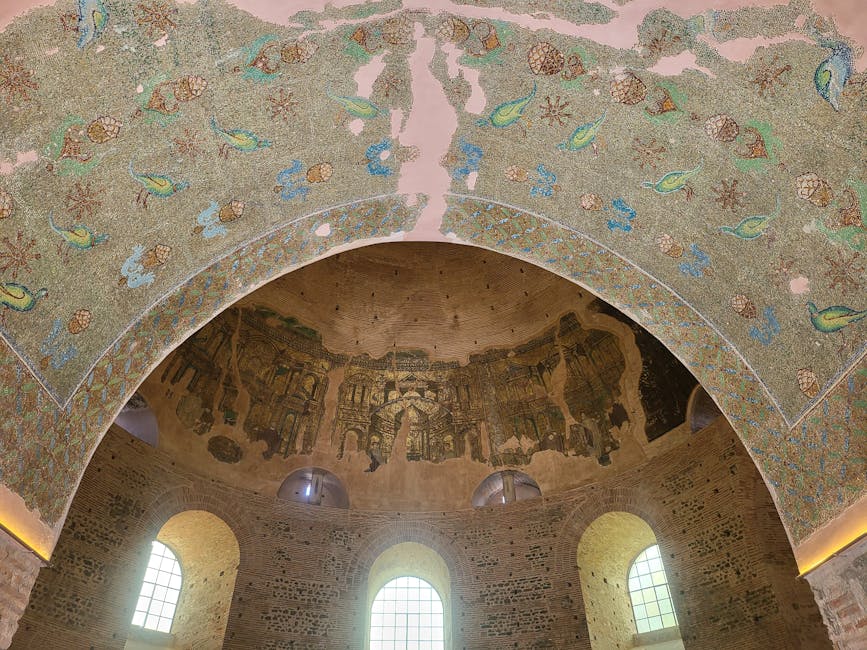
Here the opus vermiculatum technique is on full display: tiny tesserae, placed like brushstrokes, deliver delicate facial features, soft cheeks and precise gazes. The mausoleum’s starry dome, where gold seems to merge with the sky, exemplifies the symbolic use of the material: gold does not depict an earthly world but a divine space. Tesserae set at different angles catch the light differently depending on the viewer’s position — an intentional effect that turns surfaces into a shifting mirror.
Technical observations to make while there:
- Direction of the tesserae: notice how they follow contours (a sort of « contouring ») to enhance volume without relying on traditional painted shading.
- Size and regularity: why tesserae are sometimes irregular — whether adapted to the support or chosen intentionally to capture light’s vibration.
- Material contrasts: alternation between natural stone in borders and colored glass for figurative scenes; differences in refraction.
Tips: the Mausoleo can be very busy despite its small footprint; favor a morning or late‑afternoon visit. Respect any time limits in place (entry quotas are sometimes used to preserve the atmosphere). Be prepared to crouch or move in slowly to study tesserae placement — proximity reveals details invisible from the center. Informational panels and guides at the entrance help decode symbols and the timeline of interventions/restorations.
Basilica di Sant’Apollinare Nuovo and storytelling in mosaic: composition, iconography and polychromy
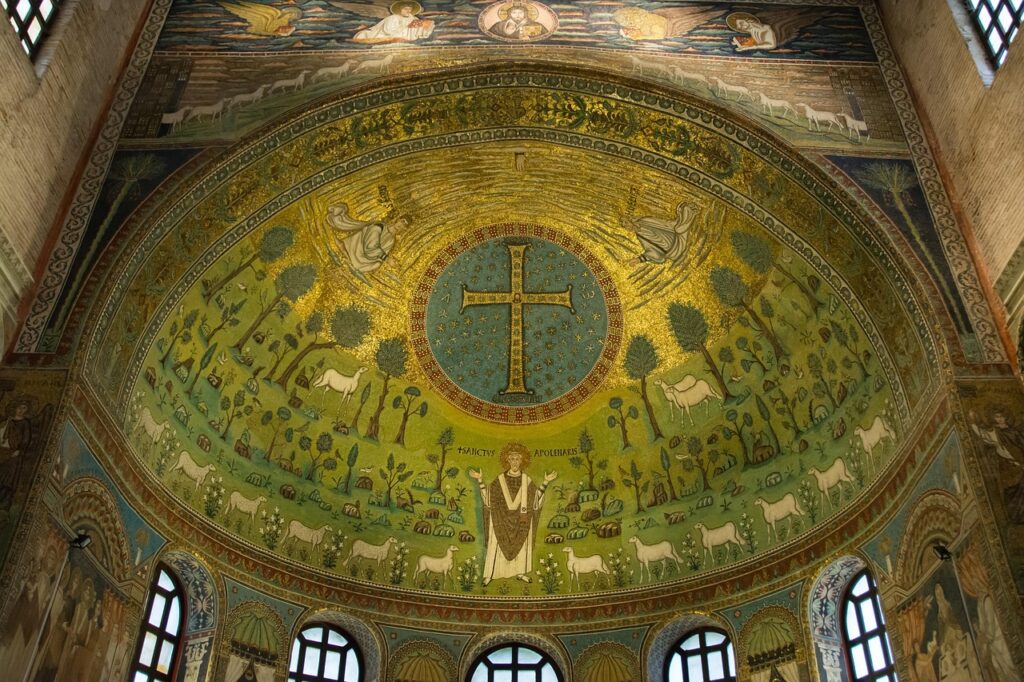
The Basilica di Sant’Apollinare Nuovo (Corso Augusto, 216, 48121 Ravenna RA, Italy) presents an enormous narrative wall of mosaics — a large‑scale lesson in Byzantine iconography. Hours: generally 9:00 to 18:00; last access times may vary. Tickets: around €6.00 to €8.00 for single entry, often included in combined passes for Ravenna’s monuments.
Here mosaic becomes more than spiritual surface; it’s visual storytelling. Long friezes depict processions, biblical episodes and scenes from Christ’s life. From a technical standpoint, watch for:
- Organization in registers: mosaics are laid out in horizontal bands, each filled with scenes separated by decorative marble and stone borders.
- Color palette: the polychromy uses greens, cerulean blues, deep reds and golds. Each hue is achieved by a precise mix of minerals and colored glass, often fired to stabilize the shade.
- Chromatic symbolism: deep blue often signals transcendence, green hints at eternal life, while gold highlights the divine presence.
To follow the narrative, get close to individual scenes: facial features, stylized drapery and the use of iconographic objects (books, orbs, gestures) convey specific messages aimed at both learned and popular audiences. The mosaics functioned as a visual catechism for people who often could not read sacred texts.
Visiting tips: aim for quieter hours between 11:00 and 15:00 to avoid guided groups that can block sightlines. Look for small labels or panels near the walls — they identify figures and explain restoration changes. If you’re especially interested in conservation, the Museo Nazionale di Ravenna (Piazza San Francesco, 7) sometimes runs temporary exhibitions and workshops on restoration techniques.
Museo Nazionale di Ravenna and tesserae conservation: methodology and workshops
The Museo Nazionale di Ravenna (Piazza San Francesco, 7, 48121 Ravenna RA, Italy) is essential for anyone wanting to dig deeper into technique and conservation. Hours: generally open daily except some public holidays, often from 8:30 to 19:30; check before you go. Tickets: entry around €6.00 (reduced rates possible). The museum preserves fragments, tools, sketches and examples of tesserae rolls, along with documentation on recent restoration campaigns.
Mosaic conservation is both science and craft: at the Museo Nazionale, modern protocols are presented — micro‑injections for filling voids, consolidation of tesserae, mineralogical analyses, and photographic documentation in infrared and ultraviolet. Educational workshops explain:
- Materials analysis: study of glass compositions (silica, metal oxides, coloring agents) and the gold leafs used for gilding.
- Consolidation techniques: compatible resins and mortars, joint reworking, and non‑invasive methods to avoid altering historic materials.
- Reconstruction and reintegration: ethical debates about how much to restore and how to preserve authenticity.
The museum sometimes hosts lectures and hands‑on workshops for enthusiasts and professionals. If you want to participate, book in advance; sessions are limited and usually fee‑based (prices vary, often between €10.00 and €25.00 depending on length and level). For photographers and researchers, the museum can arrange special access by appointment.
Local tips: take time to read conservation datasheets before entering sacred sites — it changes how you perceive visible restorations. Avoid touching the mosaics, however tempting — skin oils accelerate deterioration. And if you visit in hot weather, bring a hat: interiors are cool, but queues and sun‑exposed approaches can be tiring.
Practical tips for visitors and a recommended itinerary
To make the most of a day or a weekend dedicated to Byzantine mosaics, here’s a suggested route and practical advice, with addresses and useful details.
- Morning — Basilica di San Vitale: Piazza di San Vitale, 1. Arrive at opening (9:00) to catch ideal morning light. Suggested time: 1h30. Ticket ~€10.00.
- Late morning — Mausoleo di Galla Placidia: Via Argentario, 22. A short, immersive visit. Suggested time: 30–45 minutes. Ticket ~€4.00–6.00.
- Lunch: favor local trattorie around Corso Augusto; try the piadina romagnola with a glass of Sangiovese. Average price: €10–18 per person.
- Afternoon — Sant’Apollinare Nuovo: Corso Augusto, 216. Suggested time: 1h. Ticket ~€6–8.
- Late afternoon — Museo Nazionale di Ravenna: Piazza San Francesco, 7. Suggested time: 1–2h depending on temporary exhibits. Ticket ~€6.00.
Other tips:
- Transport: Ravenna is compact and walkable. From the train station it’s roughly a 20‑minute walk or a short ride on the local bus (single ticket around €1.50).
- Photography: no flash; some churches may restrict photography. Follow posted signs and staff instructions.
- Behavior: avoid loud talking inside religious buildings. Respect areas closed to the public.
- Ticket purchases: consider combined « Ravenna Card » passes available at tourist information points to save if you plan to visit multiple monuments.
Conclusion — From matter to message: mosaic as a living language
Byzantine mosaic in Ravenna is more than a collection of decorations: it’s a visual language, a theology in glass and stone, a craft passed down and reinterpreted through the centuries. Following this technical and practical guide, visitors learn to decode material choices, understand the mosaicist’s methodology, and read scenes as liturgical texts. Visiting the Basilica di San Vitale, the Mausoleo di Galla Placidia, Sant’Apollinare Nuovo and the Museo Nazionale di Ravenna takes you along a continuum where technical gesture is nourished by spiritual intent.
On a practical level, the steps are clear: preparing the intonaco, choosing tesserae (glass, glass paste, stone, gold), arranging them in opus vermiculatum for details, and employing modern conservation measures. Yet it’s the interaction with light and the viewer that unlocks the mosaic’s power: a single gold tessera is not merely a material, it’s a theological instrument reflecting celestial light toward the faithful. Contemporary restorations, documented at the Museo Nazionale, reveal the delicate balance between preservation and restitution — a debate that keeps questions of authenticity alive.
Finally, practical tips will make your visit more pleasant and informative: favor quiet hours, respect each building’s rules, and book workshops or lectures if you want to deepen your knowledge of conservation. Ravenna offers a complete experience where technique meets faith, and where every tessera tells a story of devotion, power and craftsmanship. Leave not just with photographs but with an understanding — even a basic one — of the process that turns a simple piece of glass into a vector of light and faith.