





Introduction: Why the Mausoleum of Galla Placidia Captivates Visitors
The Mausoleo di Galla Placidia, tucked into the heart of Ravenna, is one of those places that seems to hold the spirit of an entire era within its walls. Built in the 5th century, this modest-looking structure—more chapel than imperial tomb—holds beneath its low vault mosaics of such intense color and technical finesse that they still astonish modern eyes. For the curious traveler, visiting the Mausoleo di Galla Placidia is a multisensory experience: the coolness of marble under your hand, the soft glow brushing golden tesserae, the hush that magnifies each footstep. It’s that blend of restrained architecture and lavish interior decoration that has drawn historians, artists, photographers and casual strollers for centuries.
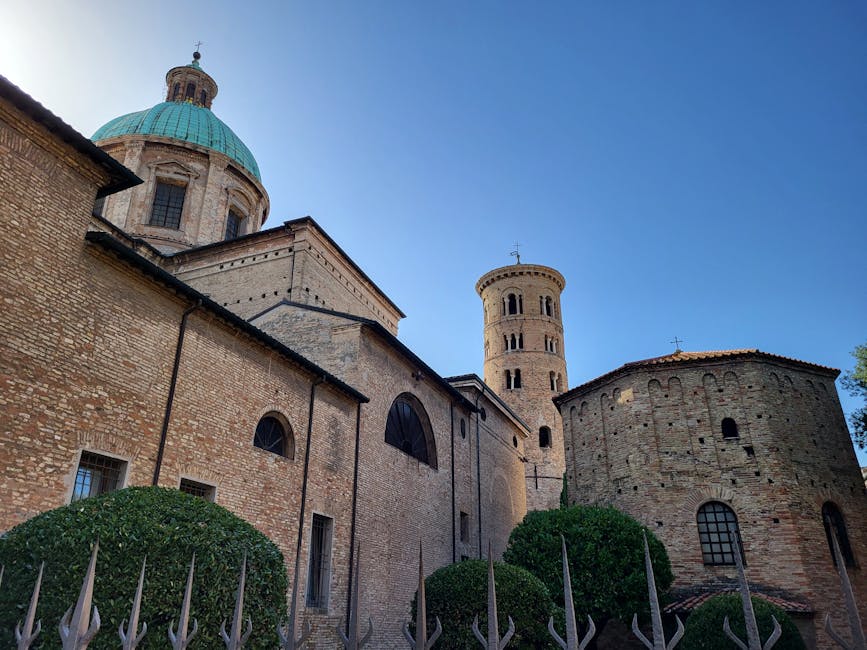
Ravenna itself is like an open-air museum, renowned for its early Christian monuments that are listed as UNESCO World Heritage sites. The Mausoleo di Galla Placidia, at Via San Vitale, 17, 48121 Ravenna RA, Italy, sits just a short walk from the Basilica of San Vitale and the Neoniano Baptistery, forming a cultural triangle that lets visitors soak up much of Ravenna’s Byzantine history in an afternoon. Unlike the soaring verticality of large cathedrals, this mausoleum plays on intimacy and proximity: here the mosaics don’t merely decorate walls, they almost envelop you, inviting you into a visual narrative of Christian symbols, starry heavens and allegorical figures.
Beyond its artistic value, the Mausoleo di Galla Placidia carries a historical mystery. Its direct association with Empress Galla Placidia (392–450) is still debated: was it built as her tomb, or as a family funerary monument for other imperial relatives? That ambiguity only adds to the site’s allure. On top of that, there’s the technical wonder: the mosaics—crafted from glass, smalto and gold tesserae—retain exceptional color vibrancy thanks to the way they catch and reflect natural light filtering through small openings. Each visit becomes both an art history lesson and a moment of aesthetic meditation.
This detailed guide offers not just a descriptive immersion to explain why the Mausoleo di Galla Placidia mesmerizes, but also essential practical information: addresses, euro prices, opening hours, access tips, photography advice and suggested itineraries. Whether you’re a history buff, an art lover or a visitor seeking a memorable experience, you’ll find everything you need here to make the most of this Byzantine gem in Ravenna.
History and Context: An Artwork at the Heart of Early Christian Ravenna
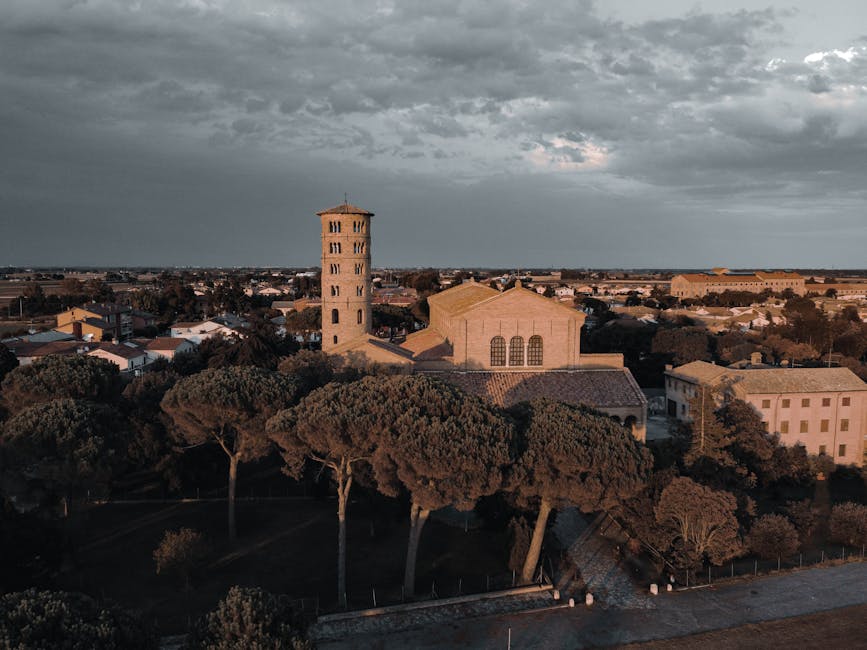
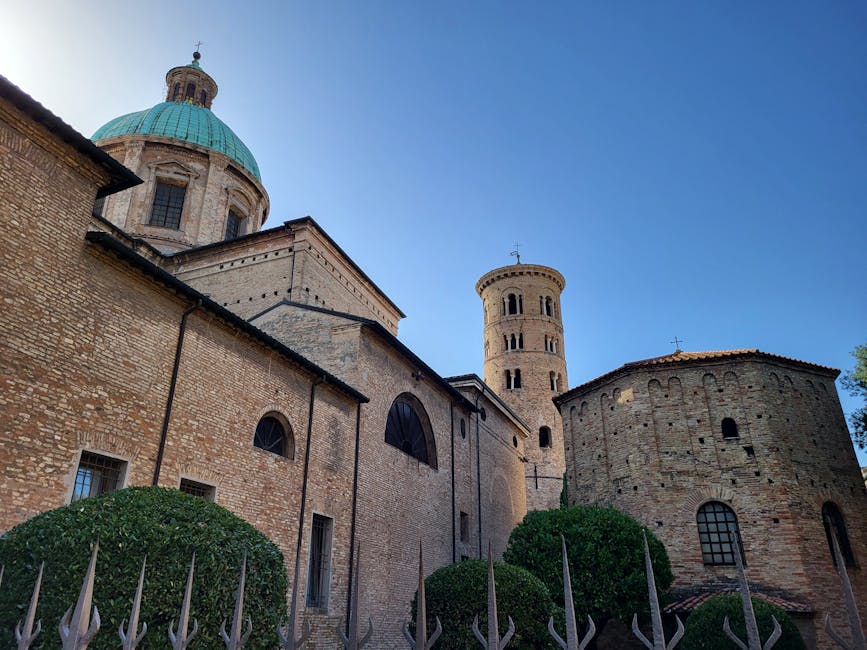
The Mausoleo di Galla Placidia sits within the special historical context of Ravenna, which was the administrative capital of the Western Roman Empire in the 5th century and later an important center of the Byzantine presence in Italy. Built around 425–450 AD, the structure is contemporary with other major Ravenna monuments like the Basilica of San Vitale (Via San Vitale, 2, 48121 Ravenna RA, Italy) and the Neoniano Baptistery (Piazza Duomo, 48121 Ravenna RA, Italy). These sites reflect a transitional period where Roman art meets eastern influences, producing a fresh iconographic and decorative language.
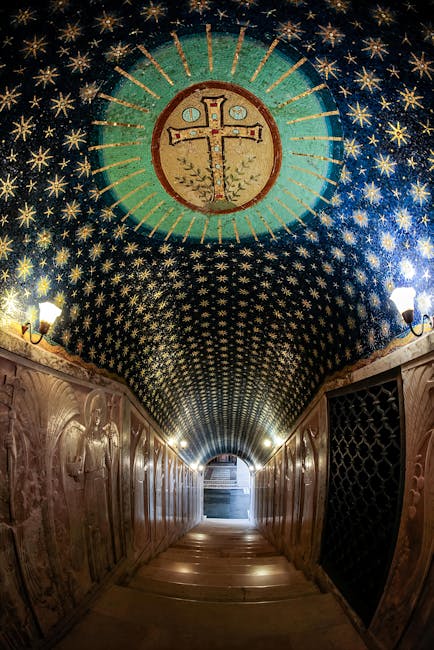
From the outside the mausoleum looks like a simple brick building with a cruciform plan and a small dome. Despite this modest exterior, the interior surprises with its chromatic richness—especially the use of a deep blue often called “Ravenna blue.” The scenes are primarily Christian: the Good Shepherd, the evangelists, and above all the star-studded vault that evokes a heavenly canopy. The iconography signals both triumphant Christian faith and an aesthetic oriented toward cosmic symbolism.
The debate over whether the mausoleum truly belonged to Galla Placidia (wife of Augustus and mother of an emperor) has fed legend and scholarly interest. Records don’t provide absolute certainty: some scholars argue it was an imperial family mausoleum; others read it as a funerary site for high-ranking local figures. In any case, the quality of the mosaics and their remarkable state of preservation make the site a cornerstone of early Christian art, often compared to the great Byzantine works of Constantinople.
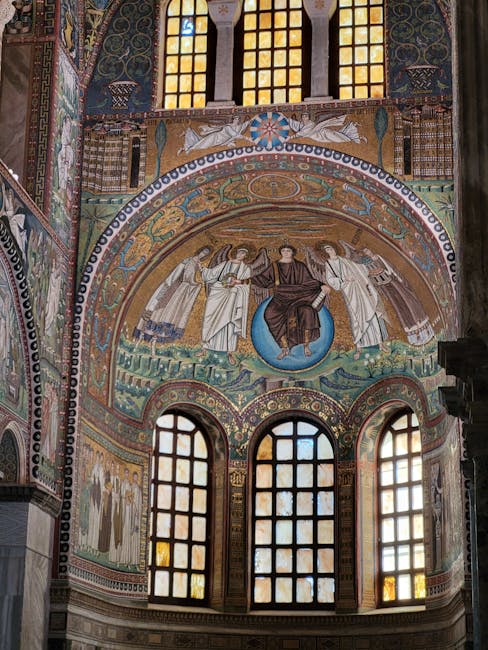
Visiting the site you sense not only the mosaicists’ technical brilliance but also the political and cultural networks that linked Ravenna to major Mediterranean centers. For the modern visitor, understanding this context adds depth: the Mausoleo di Galla Placidia is not just a decorative masterpiece, it’s also a fragment of political, religious and artistic history that helps explain why Ravenna is a UNESCO World Heritage site.
The Mosaics and the Visual Experience: Decoding and Technical Details
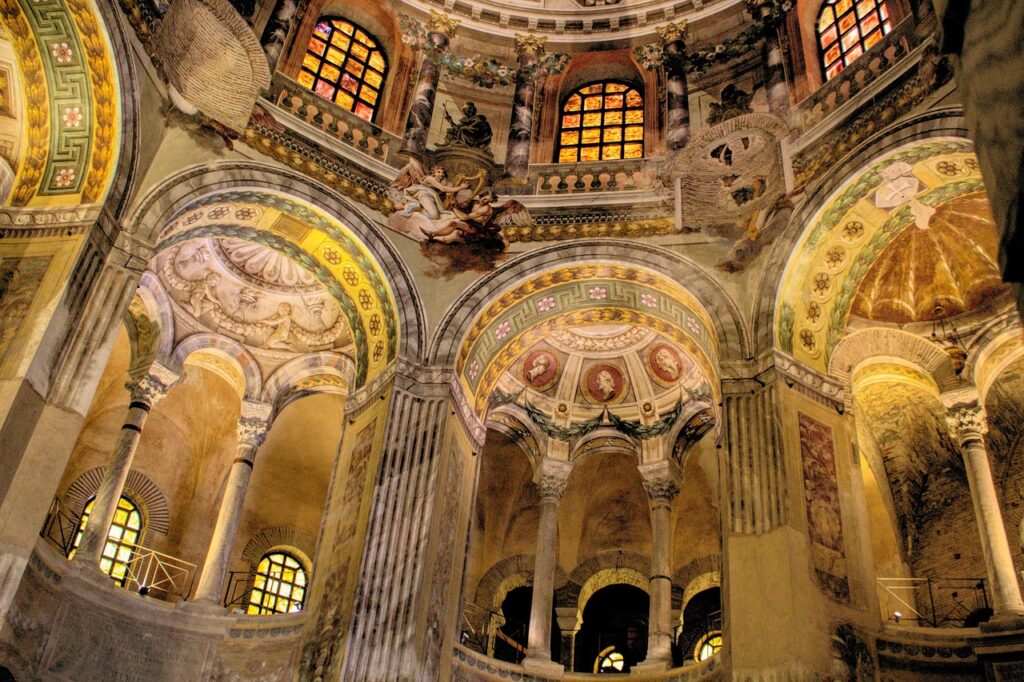
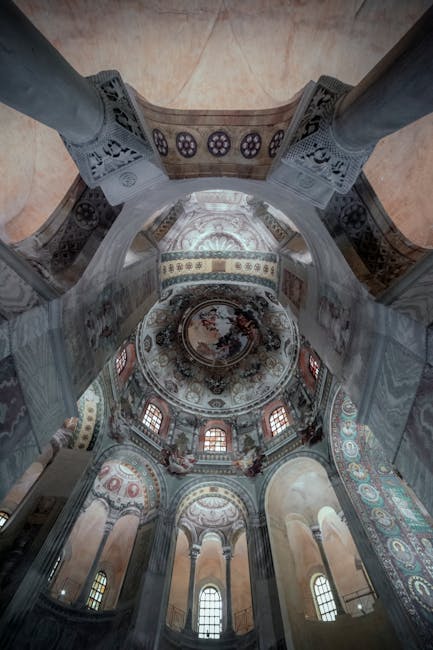
The emotional core of the Mausoleo di Galla Placidia lies in its mosaics. From the moment you enter, your eye is drawn upward to the starry vault: a deep sky dotted with golden stars that feels like stepping into a sacred firmament. The tesserae—small cubes of colored glass, sometimes backed with gold leaf—are set with remarkable attention to orientation and refraction. Depending on the angle and the light, surfaces seem to shift, creating subtle motion despite the stillness of the scenes.
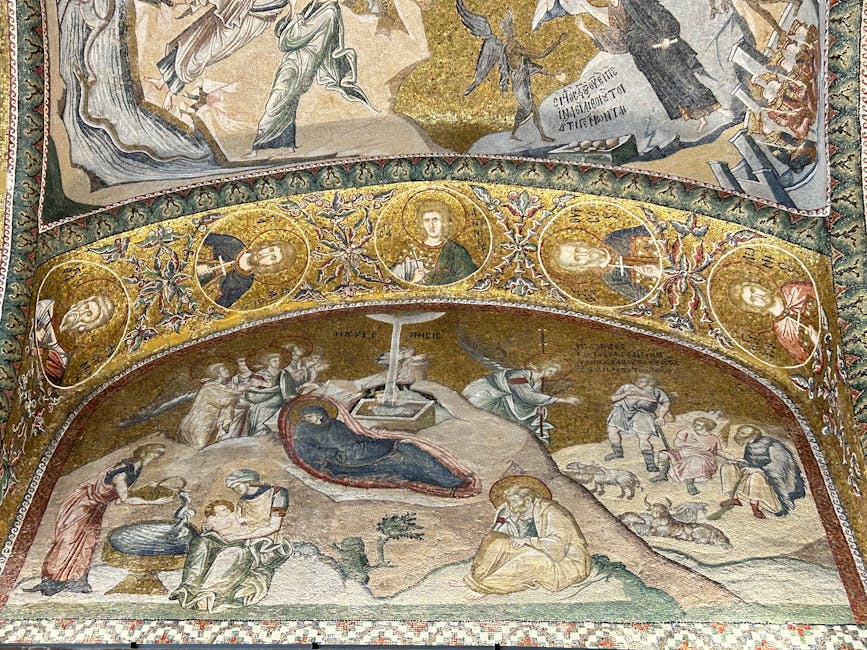
The static scenes tell biblical stories with a restrained economy that commands admiration: the Good Shepherd, depicted tenderly and intimately; the symbols of the evangelists; and various allegorical female figures. The figures are stylized yet expressive, showing an art where symbolism outweighs realism. Dominant colors—deep blue, green, gold and white—have held up exceptionally well, giving contemporary visitors a sense close to the original visual impact.
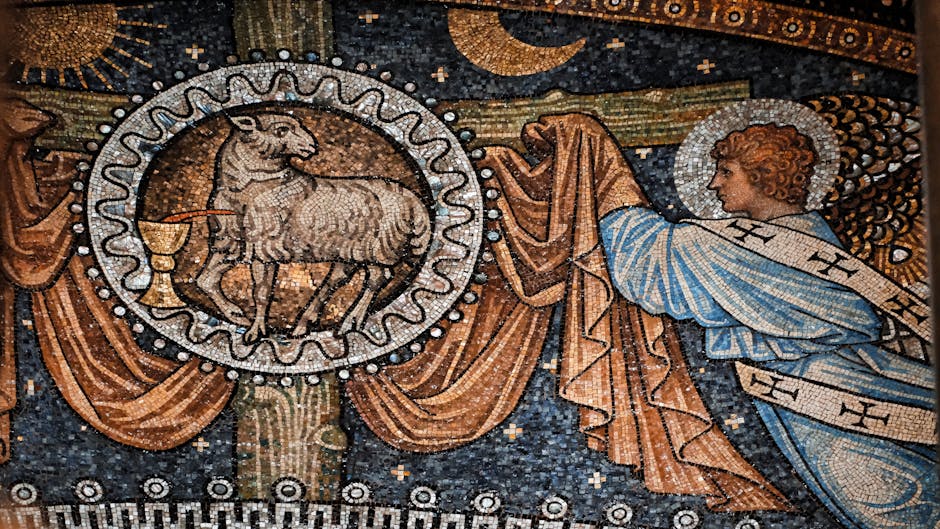
On a technical level, these mosaics reveal mastery of materials and setting techniques: tesserae were cut to follow contours and enhance volume, deliberately arranged to better catch the light. The effect of gold in particular produces a luminosity meant to evoke divinity and the hereafter. Artists used subtle inversions of color and texture to enliven surfaces: a panel that looks flat from afar reveals, up close, micro-reliefs and perspective effects.
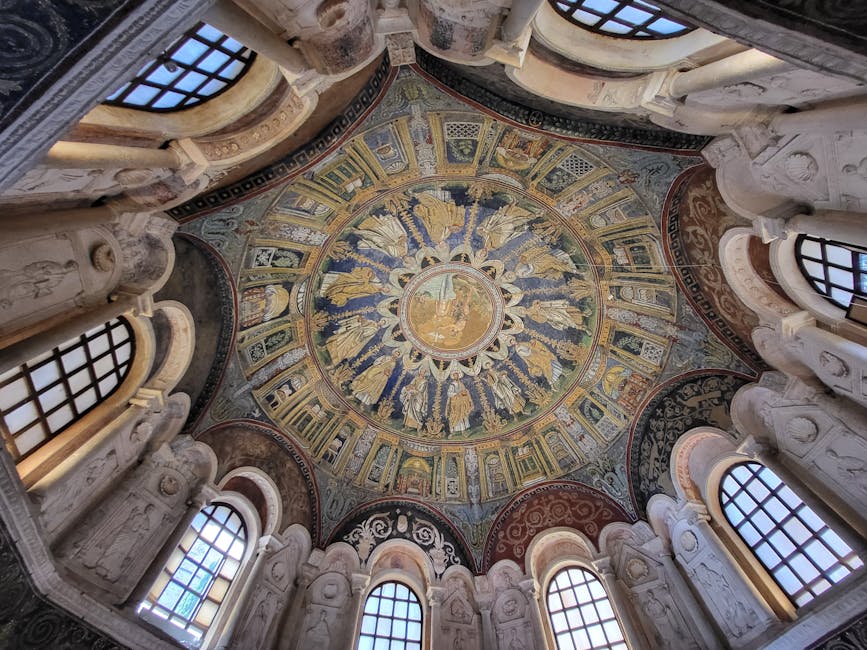
Visitors are advised to take their time: pause before each panel, notice how light shifts during the day, pick out iconographic details, and let your gaze wander. Photography is allowed, but without flash; flash can damage tesserae over the long term and alters colors. Also, keeping a little distance helps you appreciate the overall effect: the interplay between wide views and close-up details is the real visual treasure of the building.
Practical Visit Information: Address, Prices, Hours, Access and Local Tips
Exact address: Mausoleo di Galla Placidia, Via San Vitale, 17, 48121 Ravenna RA, Italy. The site is managed within Ravenna’s monuments network and is often included in combined tickets with other UNESCO sites in the city.
Admission (indicative, check before your visit):
- Single entry to the Mausoleo di Galla Placidia: €5.00 (full price).
- Reduced price: €3.00 (students, seniors, school groups — valid ID required).
- Children: free for under 6; reduced rates for ages 6–17.
- Combined ticket (Basilica of San Vitale + Mausoleo di Galla Placidia + Neoniano Baptistery): around €10.00–€12.00 depending on seasonal offers.
Typical opening hours (subject to seasonal changes):
- Opening: 9:00 AM.
- Closing: 7:00 PM (last admission 6:30 PM).
- Closed: certain public holidays – check online or contact Ravenna’s tourist office.

Access and mobility: the Mausoleo is about a 10–15 minute walk from Ravenna station (Stazione di Ravenna, Piazza Luigi Carlo Farini, 48121 Ravenna RA). The city is compact and very walkable. For visitors with reduced mobility, note that the exterior pavements are cobbled while the interior is on a single level but quite cramped; it’s recommended to call ahead to confirm full accessibility.
Local tips:
- Visit early morning or late afternoon for soft light that flatters the mosaics and to avoid the crowds (peak visitor times are midday in summer).
- Avoid using flash photography; bring a fast lens if you’re serious about photos.
- Wear comfortable shoes: the site is often visited together with the Basilica of San Vitale and the Neoniano Baptistery, which means a fair bit of walking.
- Take advantage of audio guides or a guided tour to decode symbols and grasp Ravenna’s complex history.
- Combine your visit with the Museo Nazionale di Ravenna (Largo Firenze, 1, 48121 Ravenna RA) to deepen the archaeological context.
Important: prices and opening hours can change. To confirm details, consult the official site of the Soprintendenza Archeologia Belle Arti e Paesaggio per le province di Bologna, Ferrara e Ravenna or Ravenna’s tourist website. If in doubt, the tourist office in Piazza del Popolo, 1 (48121 Ravenna RA) can provide up-to-date information and combined tickets.
Tips to Deepen the Visit and Local Itinerary
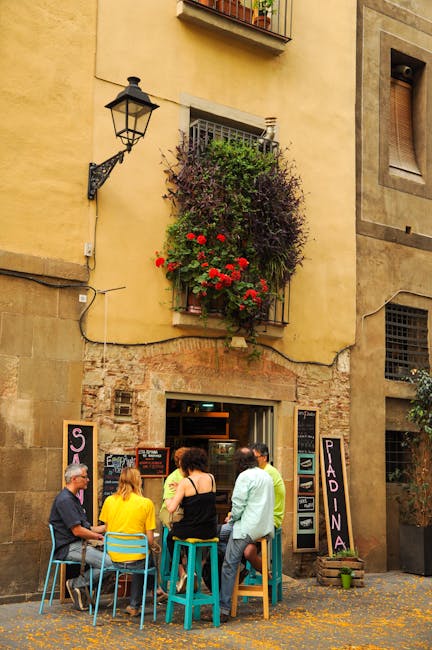
To get the most out of your stop at the Mausoleo di Galla Placidia, plan your visit as part of a themed walk through Ravenna. Start at the Basilica of San Vitale (Via San Vitale, 2), famed for its imperial mosaics, then walk to the Mausoleo. Finish with the Neoniano Baptistery (Piazza Duomo) and a break at a local café to sample regional specialties like piadina romagnola.
Suggested half-day itinerary:
- 9:00 AM: Arrive at the Basilica of San Vitale — visit (about 1 hour).
- 10:15 AM: Mausoleo di Galla Placidia — immerse and study details (45–60 minutes).
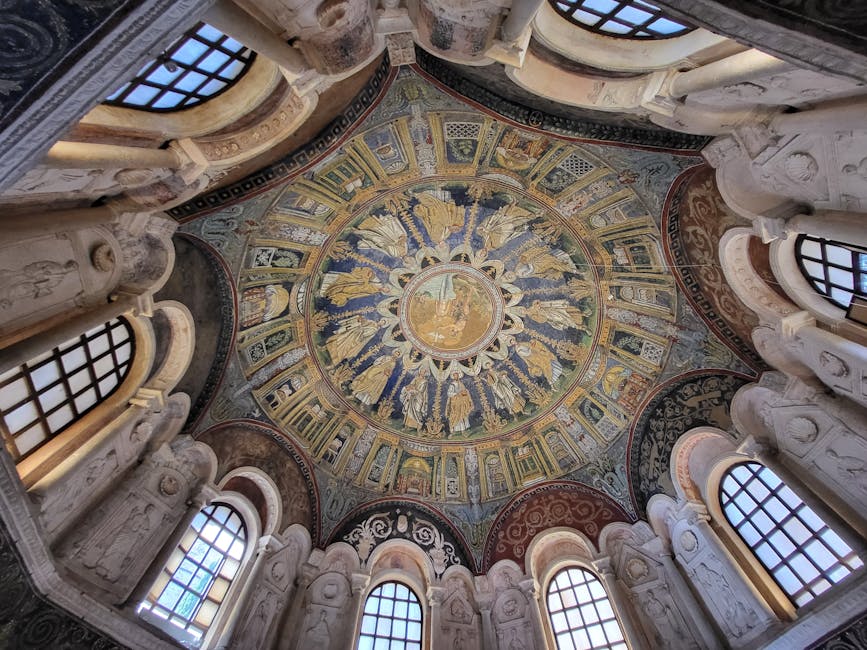
- 11:30 AM: Neoniano Baptistery — admire the blue mosaic dome (30–45 minutes).
- 12:30 PM: Lunch in the neighborhood; try a piadina at a local osteria.
Cultural tip: seek out local guides for anecdotes and lesser-known details — for example, the likely origins of the glass tesserae or the precise symbolism behind the Good Shepherd. Enthusiastic visitors can book themed tours that focus on mosaic restoration techniques and conservation.
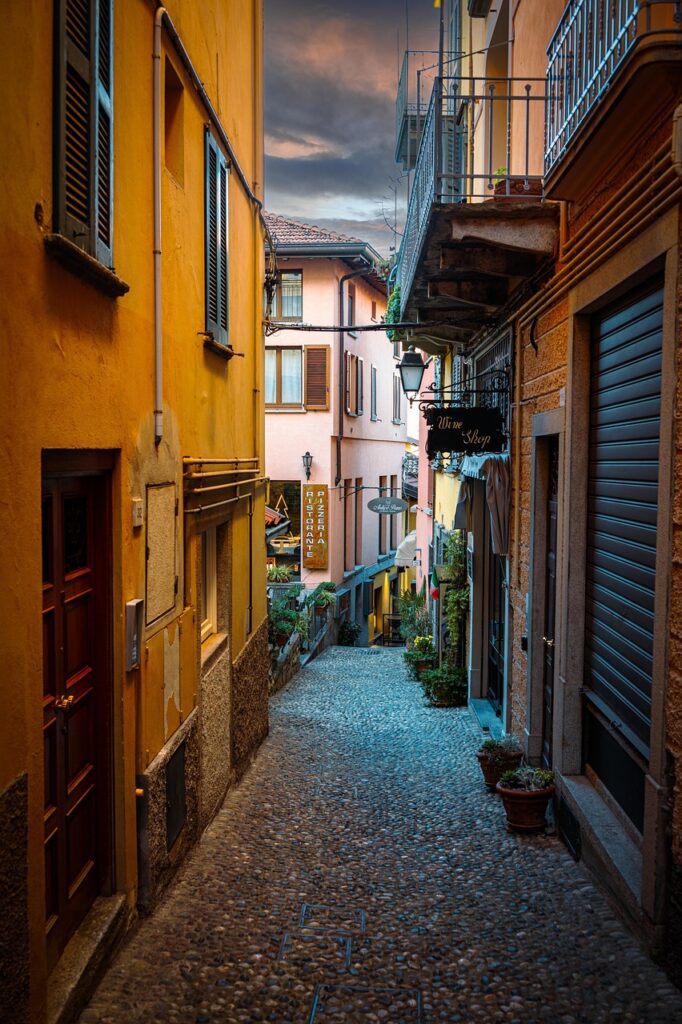
Finally, leave time to wander the lanes: Ravenna is more than its monuments; it’s a provincial Italian atmosphere of markets, small squares and artisan shops. The Mausoleo di Galla Placidia will be a highlight of your stay, offering a rare visual and historical thrill.
Conclusion: Where History, Art and Emotion Converge
The Mausoleo di Galla Placidia captivates because it concentrates, in a compact space, an extraordinary visual and symbolic power. What strikes the modern visitor is not only the mosaicists’ technical virtuosity but how the mosaics converse with the space, the light and history. The modest exterior contrasts with an internal explosion of color and narrative: that duality creates the wonder. Step through the door at Via San Vitale, 17, and you literally enter a fragment of Byzantine sky, where gold and blue recreate a vision of the beyond and a sacred presence.
Practically speaking, the Mausoleo di Galla Placidia is accessible, well connected and often included in combined tickets that make it easy to see Ravenna’s other wonders, like the Basilica of San Vitale and the Neoniano Baptistery. Admission—usually around €5.00 for a single entry, with concessions—remains reasonable given the heritage value on offer. Hours and practicalities can vary; always check official sources before planning your visit.
In the end, visiting the Mausoleo di Galla Placidia is agreeing to an encounter: with an intimate space where ancient art still manages to touch contemporary emotion. Whether you’re a historian, photographer, student or simply curious, set aside time to sit, watch and let thoughts arise. In just a few streets, Ravenna offers a concentrated story of Christian and Byzantine history; the Mausoleo is one of its most revealing jewels. Take your time, follow the local tips, respect conservation rules (no flash, keep noise down) and leave knowing you’ve witnessed a place where beauty patiently speaks across the centuries.