





Introduction: on the edge of an empire — Byzantine secrets at the Orthodox and Arian Baptisteries in Ravenna
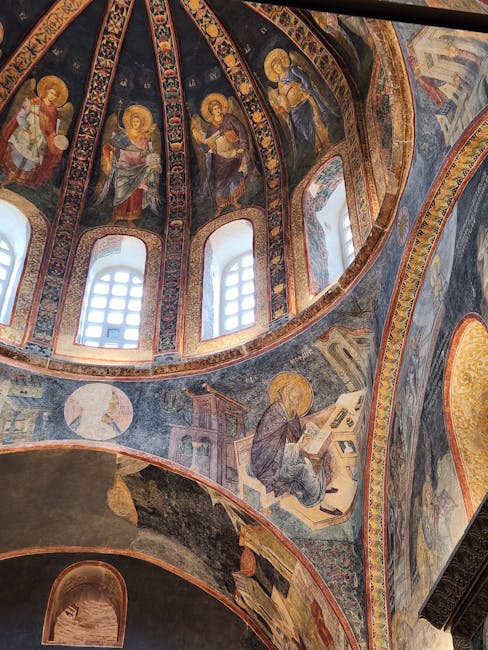
Ravenna is a chapter in the late history of the Roman Empire and Byzantine culture in Italy. Through its tight streets and arcade-lined squares it feels like an open-air museum of mosaics, narthices, domes and sanctuaries where light finds its way to glittering gold tesserae. Among the city’s most charged and storied sites, two baptisteries answer each other like two voices from the same Christian tradition, but with different theological and artistic accents: the Battistero Neoniano, commonly called the Orthodox Baptistery, and the Battistero degli Ariani (sometimes referred to in translations as the “Catholic” baptistery depending on historical usage). Modest compared with the great basilicas, these buildings nonetheless contain iconographic and liturgical cycles that tell stories of transformed souls, rites and empires.
Baptism — a rite of passage and purification — took on a unique visual intensity in Ravenna: mosaicked vaults where John the Baptist, the Good Shepherd Christ and angels catch the oblique light; gold backgrounds that create a heavenly set around the baptismal font. The contrast between the Orthodox Baptistery, historically tied to the episcopal center, and the other baptistery, which bears witness to the theological controversies of its time (Arianism being one of the issues), makes Ravenna a heritage laboratory. In marble and gold leaf you can read debates about the nature of Christ, liturgical shifts and the sometimes turbulent coexistence of Latin, Eastern and converted barbarian rites.
But Ravenna is more than a fixed history lesson: it’s a place of sensation. Stepping into the Battistero Neoniano you feel the coolness of mosaics beneath a low vault, hear the muffled echo of other visitors, and see the circular depiction of Christ’s baptism lit like a celestial prow. The Battistero degli Ariani, quieter and more discreet, offers a different reading of symbolism and liturgy — sometimes more restrained, sometimes more intimate. Together these two sites illustrate how sacred art and religious life conversed in Ravenna, influencing the West and the eastern Mediterranean.
This guide offers a detailed, practical immersion: exact addresses, opening hours, up-to-date prices, on-site tips, historical anecdotes, and recommendations for photographing and fully feeling the Byzantine atmosphere. Whether you love mosaics, travel out of curiosity, or are seeking spiritual experience, get ready to discover how, in these small buildings at the heart of Ravenna, centuries of faith and art still catch the light and the imagination.
Battistero Neoniano (Orthodox Baptistery) — address, visiting info and immersion
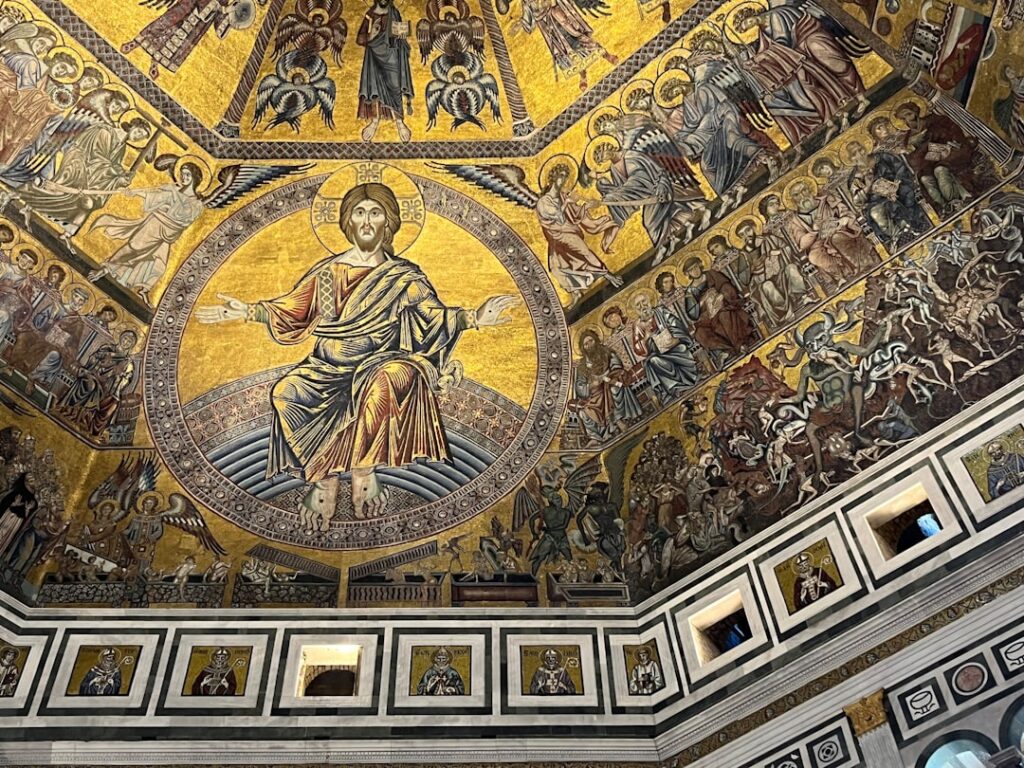
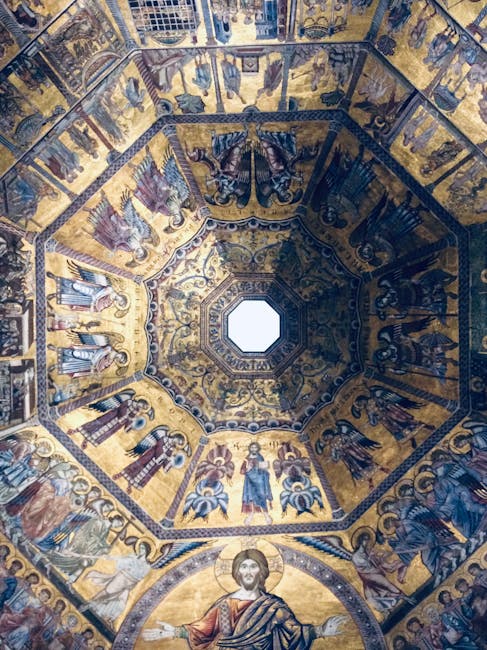
The Battistero Neoniano, commonly called the Orthodox Baptistery because of its long association with the bishop’s seat, is one of Ravenna’s most emblematic sites. Official name: Battistero Neoniano (Battistero degli Ortodossi). Address: Piazza Duomo, 3, 48121 Ravenna RA, Italy. This octagonal building, built at the end of the 5th century and richly decorated with 6th-century mosaics, is famous for its central dome that depicts Christ’s baptism in the Jordan, surrounded by angels and animated figures.
Opening hours (subject to seasonal changes and events): generally open daily from 9:00 to 18:00 in high season (April–October) and from 9:00 to 17:00 in low season (November–March). It’s best to check times on the official “Monumenti di Ravenna” website or with the local tourism office before you go. Prices: single entry around €3.50–€5 for a simple visit; combined tickets like the “Ravenna Mosaic Card” or “Pass dei Monumenti” (covering multiple sites) cost roughly €9.50–€12 depending on the package and validity. Discounts are often available for students, seniors and groups.
Immersive description: on entering, you’re struck by the intimacy of the octagonal space. The dome, low but exquisitely worked, filters natural light so every glass and gold tessera seems to sparkle. At the center sits the baptismal font — a small basin originally used for full immersion baptism. The main scene shows Christ standing in the water, with John the Baptist touching him and angels holding phylacteries. The figures are treated with a restraint that favors symbolic rigor: hieratic gestures, frontal gazes and gold backgrounds that compress earthly perspective to elevate the viewer toward the sacred.
Practical tips for your visit:
- Best time: aim for the morning at opening or late afternoon for softer light. Midday attracts school groups and tour crowds.
- How long: allow 30–45 minutes to study the dome, read inscriptions and use an audio guide. Audio guides are often available in several languages for €3–5.
- Photography: non-flash photography is usually permitted; flash is often prohibited because it can damage mosaics. Use a wide aperture (f/2.8–f/4) and a moderate ISO to capture detail without too much noise.
- Accessibility: access is possible but the interior is compact; visitors with reduced mobility should check in advance, as the entrance may include a small step.
Battistero degli Ariani — history, symbolism and architectural features
The Battistero degli Ariani is a small gem that recalls a period of intense doctrinal debate in Christianity. Official name: Battistero degli Ariani. Address: Viale C. S. Sala? (Note: the commonly listed visitor address is Via Galla Placidia 18, 48121 Ravenna RA, Italy — located near the Basilica of Sant’Apollinare Nuovo). This baptistery dates to the Ostrogothic period (5th–6th century) and reflects Arian influence — a Christian doctrine that differed on the nature of Christ and was prevalent among converted Germanic groups. After the Byzantine reconquest the building was reabsorbed into Roman orthodoxy and its mosaics were modified or reinterpreted.
Hours and prices: generally open daily with the same hours as Ravenna’s other monuments (9:00–18:00 in summer / 9:00–17:00 in winter). Single ticket: around €3–€5; often included in the “Ravenna Mosaic Card” museum pass. Themed guided tours focusing on Arianism and iconographic changes may be offered from time to time.
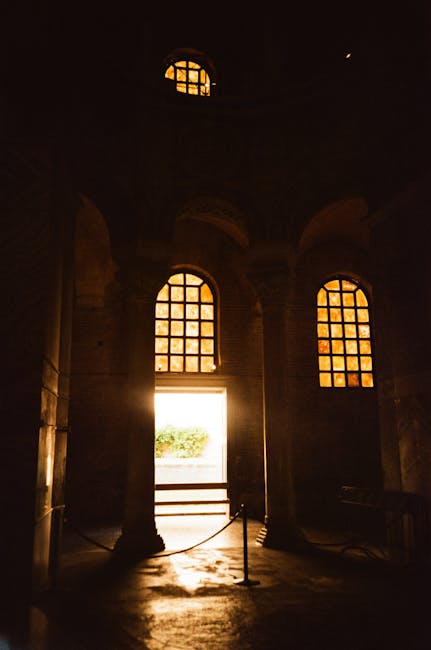
Description and immersion: at first glance the Battistero degli Ariani appears more restrained than the Battistero Neoniano, but that sobriety is deceptive. The interior mosaics center on Christ’s baptism and angels, yet display a stylization and economy of form distinct from the “Orthodox” baptistery. You’ll notice more linear poses, a narrower color palette and compositions that leave figures appearing isolated within a field of gold — as if suspended out of time.
Particular points of interest:
- The baptismal font: often less monumental than the one in the Battistero Neoniano, but heavy with liturgical meaning — imagine the water as a threshold between worlds.
- Inscriptions and restoration: several stones show traces of reworking and reuse; reading these layers helps uncover the history of conversions and reconstructions.
- Proximity to Sant’Apollinare Nuovo: it’s a short walk from this basilica, making a combined visit easy and rewarding to understand the artistic dialogue between the sites.
Practical advice:
- Combine this visit with Sant’Apollinare Nuovo and the Mausoleum of Galla Placidia for a coherent day of Byzantine art.
- Listen to explanations about Arianism so your visit goes beyond pure aesthetics — the theological stakes were real and shaped the iconography.
- Check for closure periods for restoration work, which are common in these fragile monuments.
Iconographic comparison: how to read mosaics and decode their symbols
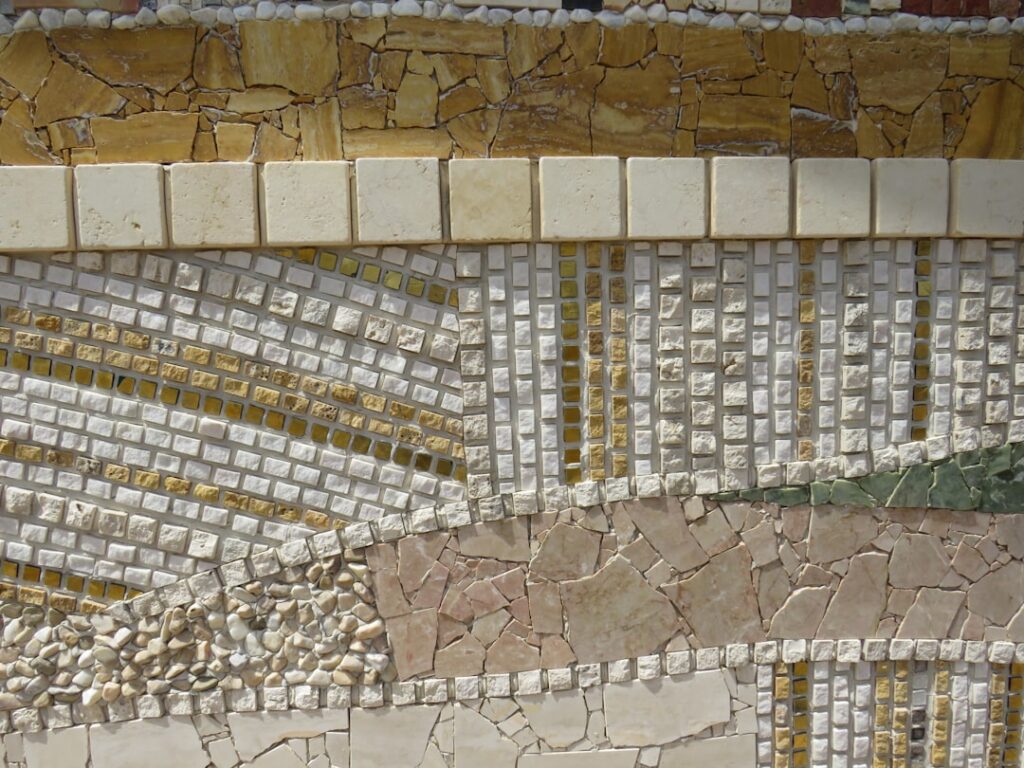
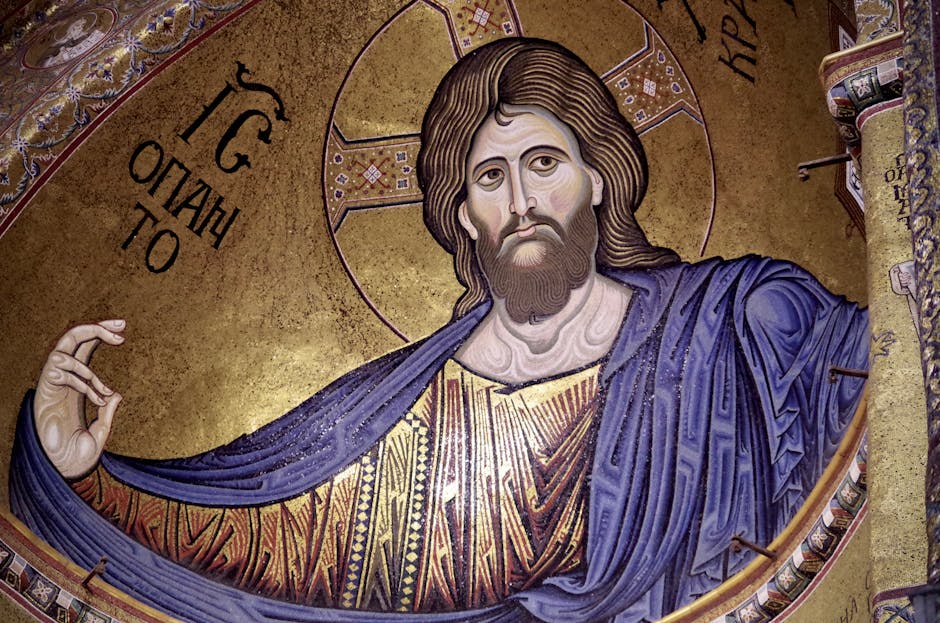
Reading a Byzantine mosaic requires dual attention: technical (materials, tesserae, colors) and symbolic (gestures, positions, attributes). In Ravenna, the two baptisteries form a hands-on textbook for anyone who wants to practice this reading. The Battistero Neoniano plays up the liturgical scene: frontal figures, hieratic style, and omnipresent gold to signify the heavenly realm. The eye is naturally drawn to the central baptism of Christ — where water becomes a metaphor for redemption. You’ll also spot cherubs holding phylacteries (scrolls), vegetal motifs symbolizing life, and sometimes Latin or Greek inscriptions that underline the scene’s theological meaning.
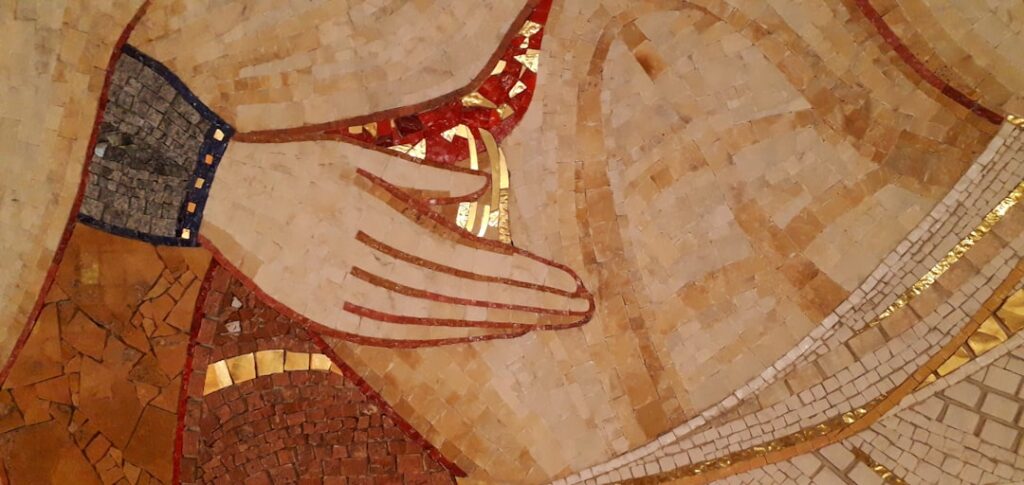
The Battistero degli Ariani, by contrast, often shows figures that feel more “narrative” and occasionally more solitary — a reflection of a different aesthetic. Emphasis falls on linear drawing and a restrained use of color: a contrast that points to Gothic and Ostrogothic influences and a liturgy perhaps less ostentatious but equally powerful. Iconographic reading should also consider architectural elements: the baptistery’s octagonal plan alludes to the number eight, symbolizing resurrection and the new beginning after the seven days of creation — an important concept in early immersion baptism.
Tips for on-site interpretation:
- Approach slowly: a mosaic “tells its story” in detail. First take in the overall scene, then linger over hands, gazes and inscriptions.
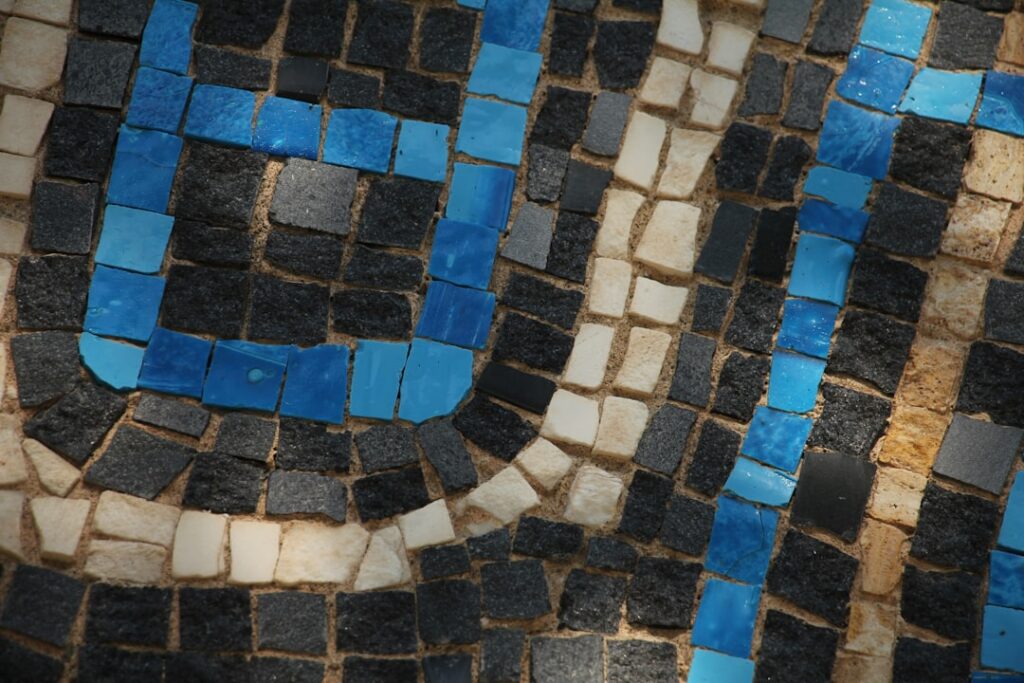
- Spot the techniques: glass, stone and gold tesserae — each material manipulates light and depth differently.
- Use a printed guide or an audio guide to match symbols with historical interpretation; it will greatly enrich your visit.
Practical tips to prepare your visit — transport, tickets and on-site behavior
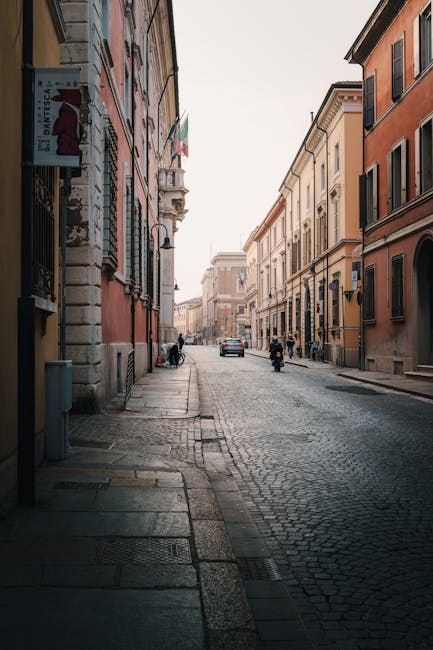
Getting to Ravenna is easy from Bologna, Forlì or Rimini: frequent trains and bus links get you there in under two hours from Bologna. From Ravenna station (Stazione di Ravenna, Piazza De Gasperi) take a local bus (Line 1/3 depending on destination) or walk 20–30 minutes to the historic center. For parking, the ZTL (restricted traffic zones) prevent cars from entering the historic center during the day: park in an outer lot like Parcheggio Centro Storico (via IV Novembre) and continue on foot.
Buying tickets: it’s often convenient to buy the “Pass dei Monumenti” at the ticket offices near the Duomo or at the tourist office (Piazza San Francesco, 48121 Ravenna). This pass covers several major sites (Basilica of San Vitale, Mausoleum of Galla Placidia, Battistero Neoniano, Battistero degli Ariani) at a reduced price — expect €9.50–€12 depending on the option. If you prefer flexibility, buy individual tickets: €3–€5 per baptistery.
Rules of conduct:
- No flash photography and strictly follow signage — the mosaics’ preservation depends on visitor behavior.
- Keep quiet and respectful inside; these spaces are still consecrated and may host services or private prayer.
- Avoid large bags and umbrellas indoors; some sites offer storage or may refuse entry with certain items.
Suggested half-day or full-day itinerary around the baptisteries
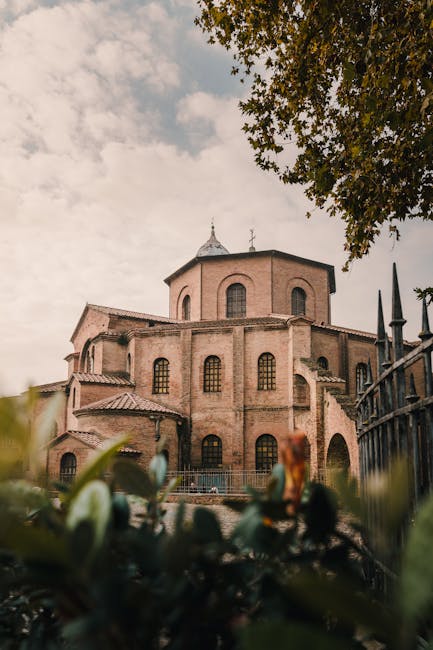
Morning: start at the Battistero Neoniano (Piazza Duomo, 3) right at opening to take advantage of the crisp morning light that makes the dome shimmer. Then walk to the Basilica of San Vitale (Piazza San Vitale, 1), about a 6–8 minute stroll, to continue reading the imperial mosaics. Lunch at a café on Via Cavour or around Piazza del Popolo.
Afternoon: visit the Battistero degli Ariani (Via Galla Placidia 18) and end at the Mausoleum of Galla Placidia (Via San Vitale, 17) — small but famous for its starry mosaic ceiling. If time allows, wander to Dante’s Tomb (Tomba di Dante, Piazza San Francesco, 7) and the Dante Alighieri museum if you’re curious about the city’s literary continuity.
- Suggested total duration: a tight half-day (3–4 hours) or a full day (6–8 hours) if you want to take your time and include breaks and guided tours.
- Estimated budget: €15–€25 per person for the main sites without the pass; €9.50–€12 with the pass for multiple monuments.
Conclusion: why these baptisteries matter — heritage, feeling and conservation
The Battistero Neoniano (Battistero degli Ortodossi) and the Battistero degli Ariani are far more than tourist sites: they are material witnesses to a time when empire, belief and art met and mingled. In Ravenna, mosaic is not merely decorative art; it’s a theological language, a liturgical tool and a collective memory. Looking at Christ placed at the center of a dome, observing the use of gold to abolish earthly gravity, you understand how image participated in ritual and catechumenal instruction. The stylistic differences between the two baptisteries reflect the turbulent history of doctrines and communities — Arian, Latin and Byzantine — that passed through the city.
Preserving these sites is a major challenge: restorations are frequent and heritage management policies try to balance tourist access with conservation. As a visitor your role is simple but important: follow the rules, avoid flash, keep noise to a minimum and treat these monuments as living sacred spaces. Take a moment to sit, lift your eyes to the mosaics and let your gaze wander — beyond the tesserae you’ll hear the resonances of a plural history.
In short, Ravenna reveals itself as a place to learn as much as to feel. Whether you’re passionate about Byzantine art, interested in religious history, or seeking visual emotion, Ravenna’s baptisteries — Neoniano and degli Ariani — offer an intimate journey through gold, water and faith. Prepare your visit by checking times and prices, choose quiet hours, and let the light transform stone into prayer. You’ll leave not just with photos, but with a deeper understanding of how the Byzantine East helped shape the Christian face of Italy.