





Introduction: One City, Two Rites, a Mosaic of Histories
Ravenna. The name brings to mind a chorus of gleaming tesserae, low Italian skies warmed by the golden light of Byzantine mosaics, and a religious history where two Christian traditions — sometimes in dialogue, sometimes in conflict — met: Arianism and orthodox Catholicism. At the center of this artistic and documentary encounter lies a unique phenomenon often highlighted by art historians and visitors alike: the “Baptistery of the Two Rites.” That phrase masks not a single building but an urban narrative — the origin story of sacred spaces, two famous baptisteries and their mosaic heritage — which together tell of the emergence, assertion and coexistence (sometimes peaceful, sometimes contested) of different Christian rites in Ravenna during the 5th and 6th centuries.
In this article we dive into the origins and meanings of Ravenna’s Baptistery of the Two Rites: how these monuments came into being, who commissioned them, the political and theological messages they conveyed, and how their mosaics served as visual manifestos for doctrines and identities. We’ll cover the two main baptisteries — the Battistero degli Ariani (Arian Baptistery) and the Battistero Neoniano or Battistero degli Ortodossi (Neoniano/Orthodox Baptistery) — and give practical details for today’s visitor: exact addresses, opening hours, admission prices, the best times to visit, photogenic angles, plus tips to extend your visit around nearby highlights like the Basilica di San Vitale and the Mausoleo di Galla Placidia.
As you read on you’ll understand why Ravenna is often called an “open-air mosaic museum” and why these small baptisteries form essential chapters in Europe’s religious history. It’s not just the art that fascinates: it’s how these sites were used as instruments of political persuasion, markers of power and faith, and witnesses to the shift from the late Roman world to medieval Europe. We’ll describe each space in detail so your next visit — whether spiritual, touristic or academic — becomes a living rediscovery of mosaics guided by history.
Get ready to step under domes where emperors, bishops and communities signed their religious affiliation in gold and glass. Every tessera is a sentence in a conversation that started fifteen centuries ago. This is mosaic history: the birth of the Baptistery of the Two Rites in Ravenna.
Historical Context: Ravenna, a Political and Religious Crossroads
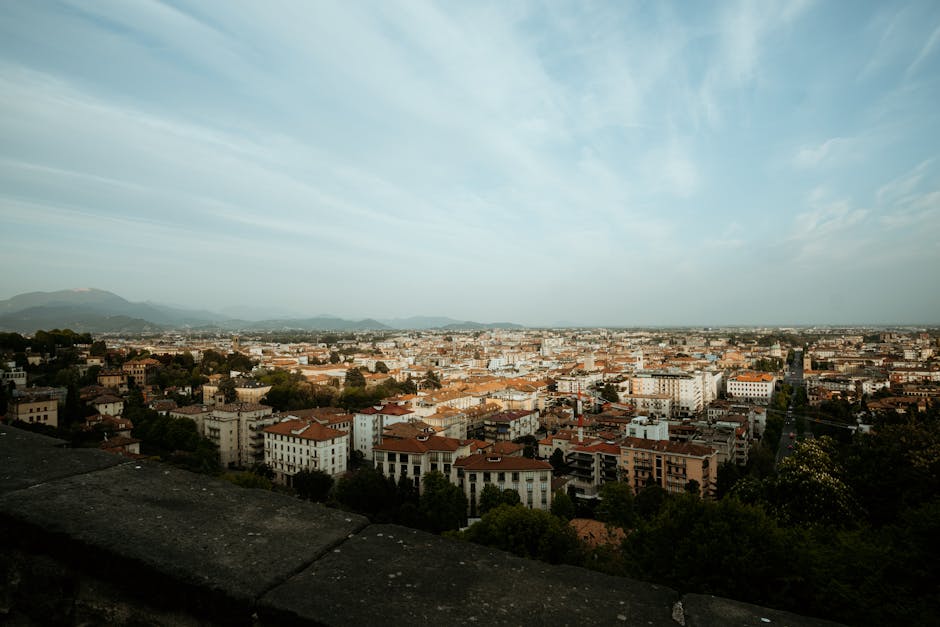
To understand how the baptisteries of Ravenna came about, you first need to place the city in its historical moment. At the end of Antiquity and the dawn of the Early Middle Ages, Ravenna grew into a major strategic and administrative hub. It became the capital of the Western Roman Empire from 402, later the seat of the Ostrogothic kingdom in Italy, and finally an administrative center under Byzantine rule. Ravenna turned into a place where secular and ecclesiastical power were closely intertwined. Its rulers used sacred architecture to assert legitimacy and promote their religious vision.
In the 5th century, Arianism — a Christian doctrine upheld by various Germanic groups such as the Visigoths and Ostrogoths, which offered a different interpretation of Christ’s nature — was the official faith of several ruling elites. Ostrogothic kings in Italy, notably Theodoric the Great, were not just military patrons but cultural benefactors who funded religious buildings where Arianism could be practiced. This produced, within Ravenna’s urban and liturgical landscape, the need for separate baptisteries: one for Arian believers and one for those loyal to the so-called “orthodox” (in the Byzantine/Roman sense) Catholic rite.
The baptistery, as both building and rite, held a central role: baptism was — and is — the sacrament that marks entry into the community. Neither of Ravenna’s two baptisteries was neutral. Their iconography, locations within the city, inscriptions and chosen mosaic scenes all pursued doctrinal representation. In other words, building a baptistery was a way of proclaiming who belongs to the City of the Faithful and under which interpretation of Christianity.
Ravenna was also a melting pot of artistic influences: local workshops blended Roman traditions, Byzantine eastern heritage, and contributions from Germanic craftsmen. The tesserae (small pieces of glass, stone and gold) express this hybridity: in the mosaics you’ll spot Roman techniques of shading, the eastern use of gold backgrounds, and stylizations characteristic of the Ostrogothic period. This visual and historical richness is what makes visiting the baptisteries so captivating for anyone who loves art, history and theology.
The Battistero Neoniano (Battistero degli Ortodossi): Place, Art and Liturgy
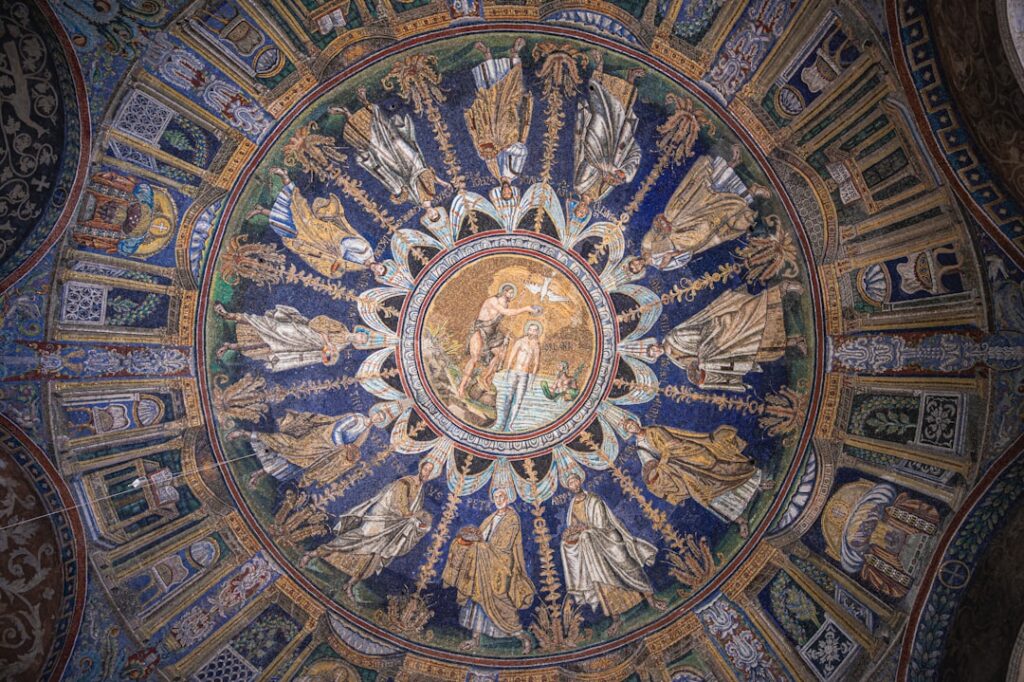
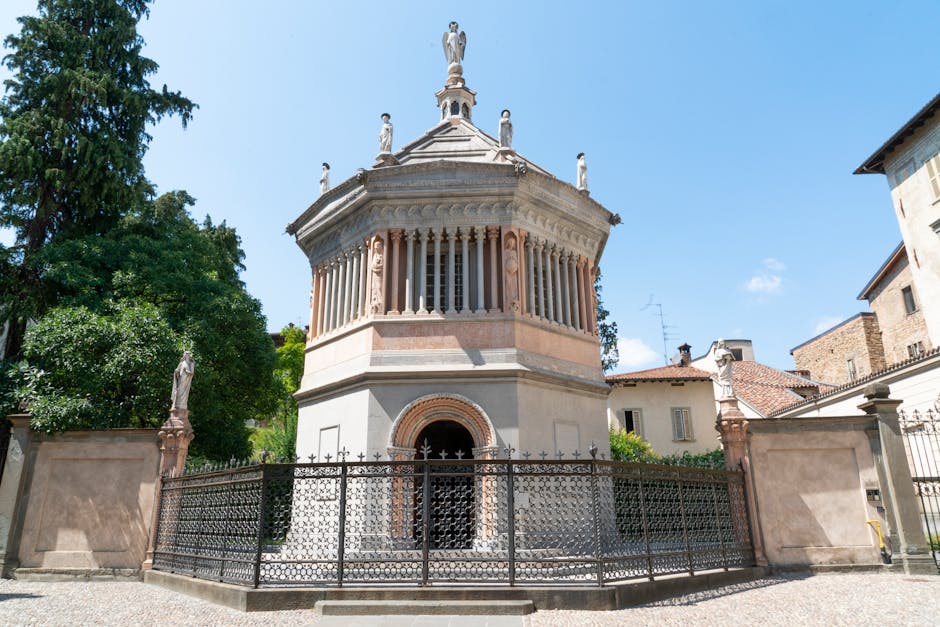
The Battistero Neoniano, also known as the Battistero degli Ortodossi or the Baptistery of the Orthodox, is one of Ravenna’s oldest Christian buildings and a statement of the Catholic rite at the heart of the city. Address: Piazza del Duomo, 1, 48100 Ravenna RA, Italy. Built at the end of the 4th or the start of the 5th century, this small octagonal structure is renowned for the complexity and quality of its dome mosaic, centered on Christ’s baptism by John the Baptist and surrounded by cherubs and allegorical scenes tied to the Eucharist and the life of the Church.
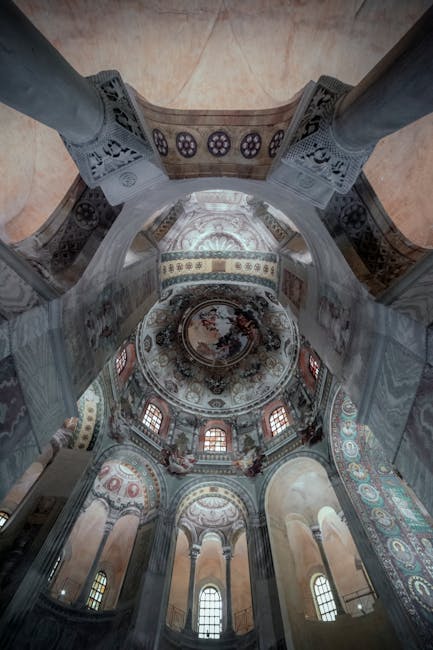
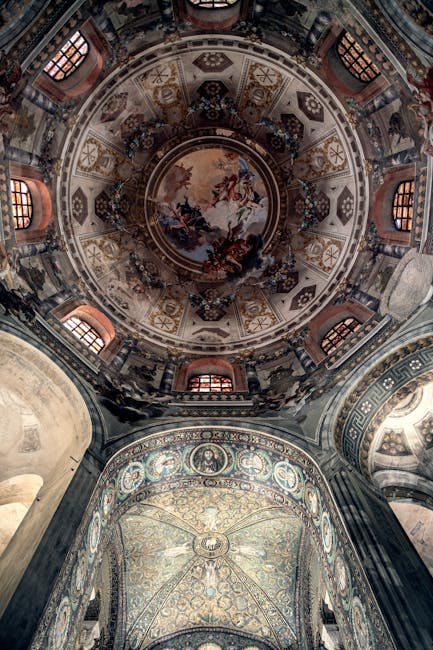
The dome mosaic, made with gold and colored glass tesserae, shows Christ bare to the waist — a symbol of both his humanity and divinity — standing in a river of deep blue glass representing the Jordan. Around him, processions of saints and angels form a celestial cortege. The chromatic richness and precise iconography point to a high-level workshop, likely influenced by eastern models while developing a visual language distinctive to Ravenna.
Opening hours (subject to change): generally open daily from 9:00 to 18:00 in high season (April to October) and from 9:00 to 16:30 in low season (November to March). Indicative admission: single-entry ticket around €3.00–€6.00 (reduced rates often available for students and seniors). Often the Battistero Neoniano is included in Ravenna’s combined monuments ticket (a cumulative ticket typically around €11–€13, depending on the period).
Practical tips: to photograph the dome mosaic without glare, aim for a mid-morning visit when natural light enters more gently. Bring a lightweight tripod if you plan long exposures (check the site’s regulations first). The interior capacity is limited; avoid peak hours (11:00–15:00) if you can. If you plan to visit the Basilica di San Vitale and the Mausoleo di Galla Placidia as well, start at the Battistero Neoniano — they’re just a few minutes’ walk and make a logical circuit.
 Click here to buy your tickets for the UNESCO-listed mosaics
The Battistero degli Ariani: Iconography, Gothic Power and Memory
The Battistero degli Ariani (Arian Baptistery) acts as the symbolic counterpart to the Orthodox baptistery. Address: Via di Roma, 55, 48121 Ravenna RA, Italy (general location in the historic quarter — check local signs on arrival). Erected in the 6th century under the Ostrogothic kings, it reflects the Germanic rulers’ desire to maintain and offer a liturgical space aligned with their doctrine. Its plan is also octagonal, evoking the idea of the eighth day — symbolic of Resurrection and new creation in baptismal theology.
The dome mosaic of the Arian baptistery likewise depicts Christ’s baptism, but the palette, gestures and certain iconographic details vary: the way figures are rendered, the attributes of angels, and how water is symbolized all reflect visual choices that point to a distinct theological reading. These differences were meaningful and loaded with significance for contemporary viewers: they asserted doctrinal legitimacy in relation to the other baptistery while engaging with the broader Byzantine aesthetic dominant across the Mediterranean.
Opening hours (confirm before visiting): often open daily from 9:00 to 17:30; times may vary with the season. Indicative admission: single-entry around €3.00; sometimes included in Ravenna’s combined monuments ticket (≈ €11–€13). Check options for combo tickets with Basilica di Sant’Apollinare Nuovo and the Mausoleo di Galla Placidia to optimize cost and time.
Practical tips: the Battistero degli Ariani can be less crowded than the Battistero Neoniano, offering a quieter, more intimate opportunity to study the mosaics. Take time to examine iconographic details — inscriptions, postures, and color usage — as they hold interpretive keys. If you have a local guide or an audio guide, ask them to point out stylistic nuances; these reveal Ostrogothic rulers’ representational strategy toward imperial and ecclesiastical audiences.
Click here to book a guided walking tour of the main sites
Routes and Nearby Monuments: Ravenna’s Mosaic Trilogy
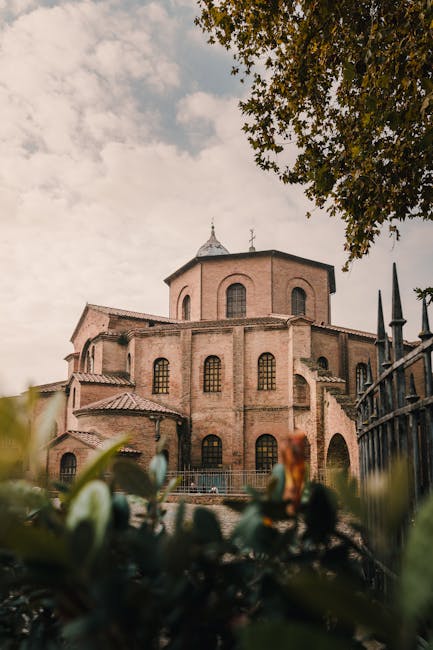
Visiting the baptisteries without stopping at neighboring monuments would be a missed opportunity for anyone wanting the full picture of the “Baptistery of the Two Rites.” Ravenna reads as ensembles: Battistero Neoniano, Battistero degli Ariani, Basilica di San Vitale, Mausoleo di Galla Placidia, Basilica di Sant’Apollinare Nuovo and the Cappella Arcivescovile form a constellation where each building enriches the understanding of the others.
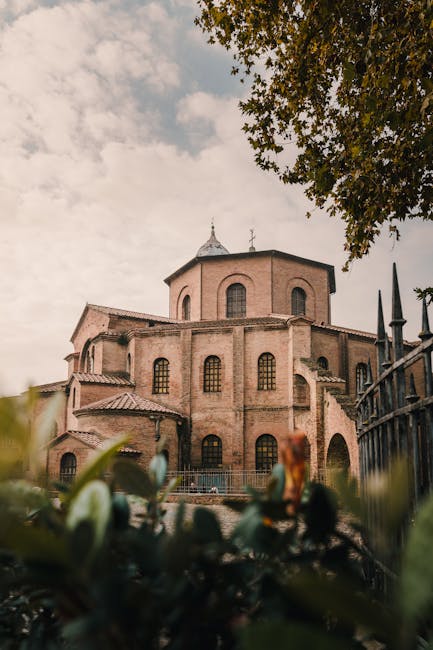
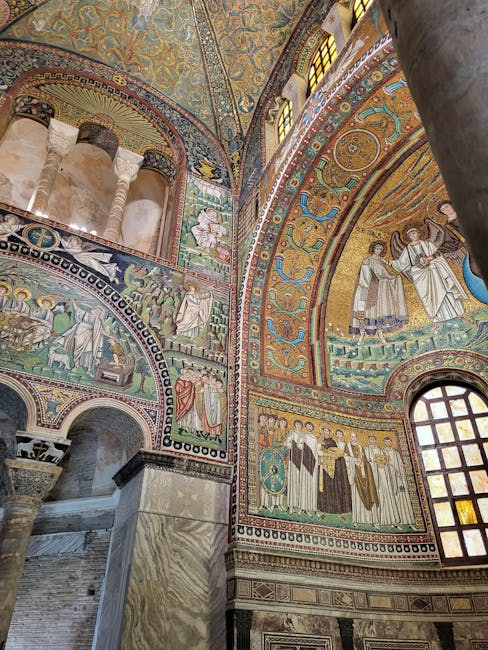
Basilica di San Vitale — Address: Piazza San Vitale, 2, 48100 Ravenna RA, Italy — is arguably one of the high points of Byzantine mosaic art in the West. Opening hours: 9:00–17:30 (variable); admission: around €7.00–€9.00. Its vast apse and the panels depicting the Byzantine emperors Justinian and Theodora speak directly to the link between imperial power and the sacred, complementing the baptisteries’ iconography.
Mausoleo di Galla Placidia — Address: Via San Vitale, 5, 48100 Ravenna RA, Italy — is famous for its compact, exquisitely detailed mosaics and the starry mosaic vault. Hours: 9:00–17:00; admission: generally €3.00–€5.00. The contrast between the mausoleum’s intimacy and the baptisteries’ theological brilliance highlights the range of ways mosaics were used in Ravenna.
Basilica di Sant’Apollinare Nuovo — Address: Via di Roma, 52, 48121 Ravenna RA, Italy — rounds out the route with narrative mosaic friezes showing saintly processions and Gospel episodes. Hours: 9:00–18:00; admission: ≈ €6.00–€8.00. Moving between these monuments and reading their sacred scenes, angel types and color palettes together allows for a deeper understanding of how Ravenna functioned as an artistic and doctrinal laboratory.
Practical tips: if possible, buy the official combined ticket for Ravenna’s monuments — it’s economical and convenient. Allow at least half a day for the central circuit (Battistero Neoniano, Basilica di San Vitale, Mausoleo di Galla Placidia) and a full day if you include Sant’Apollinare Nuovo and other minor sites. Wear comfortable shoes — streets are cobbled and often narrow — and respect each site’s silence and photography rules.
Click here to buy tickets for monuments and mosaics
Artistic and Theological Readings: How to Read a Mosaic
The baptistery mosaics are not mere decoration: they are visual texts spelling out who is saved, how salvation is received, and what legitimacy spiritual authority holds. The central scene of Christ’s baptism, shared by both rites, points to a foundational Christian consensus; yet the iconographic details reveal the variety of theological interpretations.
Look at Christ’s posture, how water is represented, and whether attributes like the cross, the nimbus (halo) or specific gestures appear — each element carries intent. For example, depicting Christ younger or more mature, or presenting John the Baptist with a particularly solemn bearing, shifts emphasis between divinity and humanity. The use of gold in the background does more than embellish: it elevates the scene into a heavenly realm, visually legitimizing the doctrinal truth the patron wanted to assert.
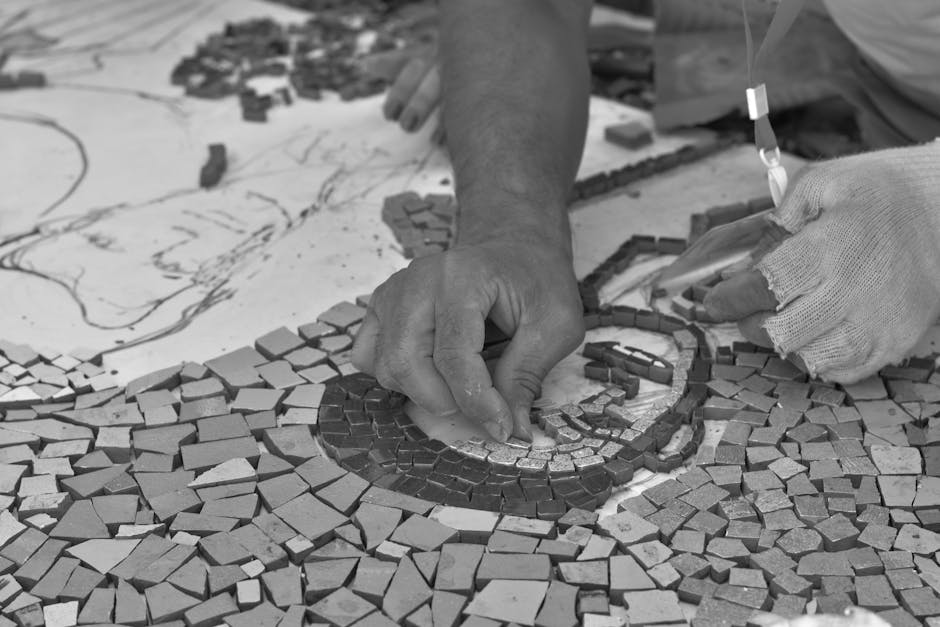
On the artistic side, observe technique: mosaics set into wet intonaco, finely cut tesserae for faces, and the alternation of colored glass and natural stones. Ravenna artists developed subtle gradients and expressive outlines that give figures an emotional intensity despite stylization. These technical choices were backed by elites who wanted a lasting, visible and incontestable message.
Practical tips for observation: move in slowly, let your eyes adjust to the gold and reflections, and note recurring iconographic details across sites. If you’re passionate about theology or art history, book a specialist guide or bring a reference book on Ravenna’s mosaics to decode motifs, inscriptions and influences. Also look for traces of restorations: modern interventions tell their own story about contemporary care for this heritage.
Click here to join a mosaic workshop in Ravenna
Practical Advice for Today’s Visitor: Tickets, Transport and Timing
Planning a visit to Ravenna requires a few practical considerations to make the most of the baptisteries and their surroundings. Here are concrete, actionable recommendations:
- Tickets and discounts: Buy the official combined monuments ticket for Ravenna (which often includes Basilica di San Vitale, Mausoleo di Galla Placidia, Battistero Neoniano, Battistero degli Ariani and Sant’Apollinare Nuovo) to save money. Indicative combined price: €11–€13 (variable). Reduced rates for students, seniors and groups; possible free entry for children under 6.
- Hours: Opening times vary by season. Spring/summer: 9:00–18:00; autumn/winter: 9:00–16:30. Arrive early (or late afternoon) to avoid crowds and enjoy the low light that enhances the mosaics.
- Getting there: Useful main addresses: Piazza del Duomo, 1 for Battistero Neoniano; Piazza San Vitale, 2 for Basilica di San Vitale; Via San Vitale, 5 for Mausoleo di Galla Placidia. Ravenna is easily explored on foot; the main train station, Stazione di Ravenna (Piazzale della Stazione), is about a 15–20 minute walk from the central sites.
- Transport and parking: If you arrive by car, use peripheral parking (Park Centro Storico or Pala De André) and walk into the center: the historic core is largely pedestrianized and narrow streets limit parking.
- Etiquette and rules: Respect silence and site rules; flash and tripods are sometimes restricted inside monuments. Never touch the mosaics and follow barriers and conservation staff instructions.
- Guides and resources: Opt for a local guide or an official audio guide to deepen your understanding of the mosaics. The Biblioteca Classense and local tourist offices publish useful thematic routes.
Click here to book an exclusive private tour of Ravenna
Preserving Memory: Restoration, Conservation and Contemporary Challenges
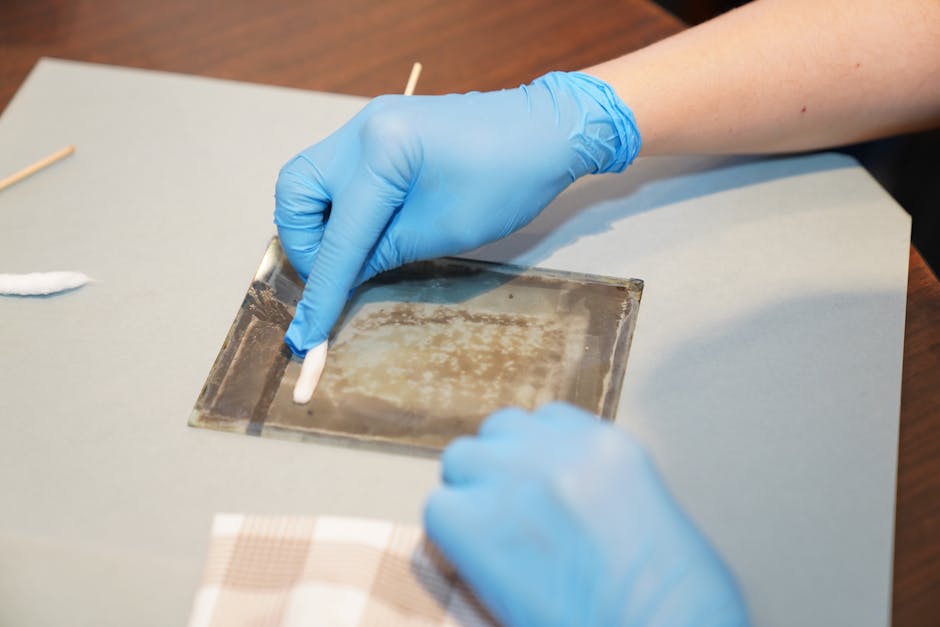
The mosaics’ survival into the present day rests on a double legacy: ancient artistry and modern commitment to conservation. Ravenna’s baptisteries have undergone numerous restorations since the 19th century; these interventions, sometimes visible, are essential to counteract time, humidity and pollution. Restoration programs combine traditional methods (consolidating tesserae, mortar injections) with scientific analyses (chemical studies of binders, thermography).
Contemporary challenges go beyond technique: they include tourist management (limiting overtourism), training mosaic artisans (ensuring the craft continues), and tackling climate change effects that alter buildings’ humidity. High-resolution digitization projects and digital replicas now allow detailed study without additional strain on the originals. At the same time, temporary exhibitions and cultural events (lectures, workshops) keep these monuments active in civic life and raise visitor awareness about their fragility.
Practical tip: if you’re interested in conservation, check for themed guided visits occasionally offered by the Museo Nazionale di Ravenna or the Touring Club Italiano. These programs sometimes provide access to technical workshops or talks that deepen historical and scientific understanding of the mosaic heritage.
Conclusion: Mosaic as Living Memory
The “Baptistery of the Two Rites” in Ravenna is not just a subject for historians or a must-see on a tourist itinerary; it’s a living palimpsest, a tessellated conversation across centuries, doctrines and communities. Through the Battistero Neoniano and the Battistero degli Ariani we read a history of power and belief — a representational game where art becomes a vehicle for theological and political persuasion. These places still invite us to consider how societies assert identity and how art serves as an instrument of memory and communication.
For today’s visitor the experience goes beyond aesthetic admiration: it’s a sensory immersion — the glitter of gold, the weight of faces, the reverberation inside intimate volumes — and an intellectual one. Exact addresses (Piazza del Duomo, 1 for Battistero Neoniano; Piazza San Vitale, 2 for Basilica di San Vitale; Via San Vitale, 5 for Mausoleo di Galla Placidia) will help you plan your route, while practical info (hours, indicative prices, combined tickets) will let you organize a rich, respectful visit. Remember: preserving these treasures is also the visitors’ responsibility. Respect the rules, get informed, and, if possible, support local conservation initiatives.
Finally, keep in mind that Ravenna is best discovered on foot, letting your gaze wander through repeating motifs and listening to the stories the mosaics evoke. Whether you’re an archaeology buff, an art lover, a spiritual seeker or simply curious, the Baptistery of the Two Rites offers a lesson in visual and human history. Come back more than once — light and reflections change with the hour and the season, and each visit subtly rewrites how you see these long-stared-at yet ever-surprising works.