





Introduction
Ravenna is a city famed worldwide for a very particular treasure: Byzantine mosaics of almost otherworldly beauty that adorn basilicas, mausoleums and baptisteries. Among these gems, the two best-known baptisteries — the Battistero Neoniano (often called the Orthodox Baptistery) and the Battistero degli Ariani (sometimes referred to in guides as the Catholic Baptistery due to the complex local confessional history) — offer an intimate dive into the theology, art and liturgy of late antiquity. This quick guide aims to give you a clear, practical overview of both monuments: where they are, what you’ll see inside, approximate entry prices, typical opening hours, and tips to make the most of your visit — while keeping in mind the fragility and heritage importance of these sites.
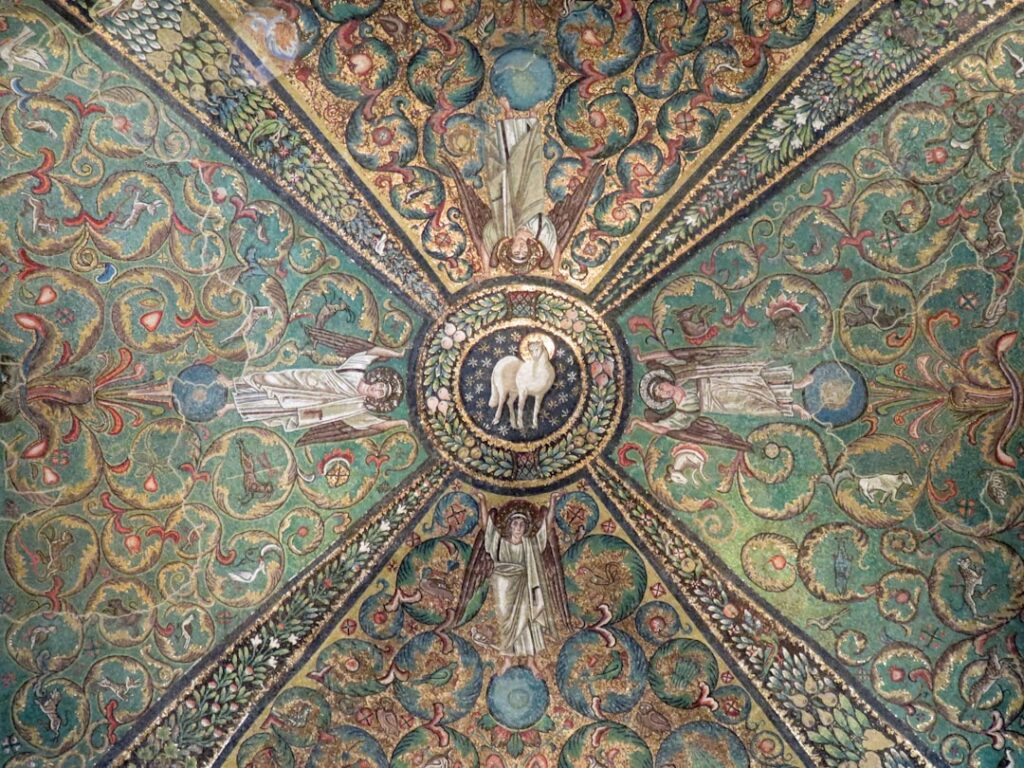
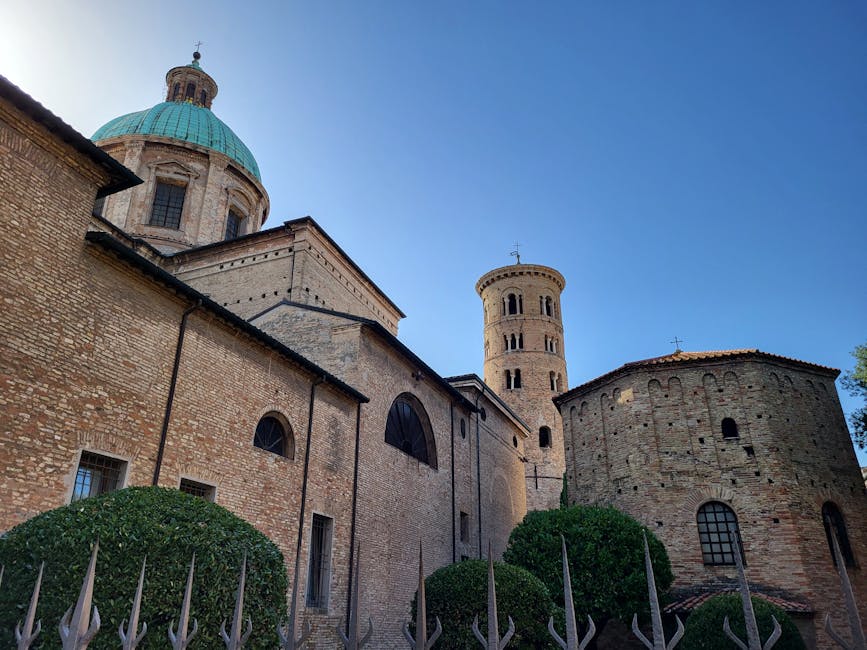
Visiting Ravenna’s baptisteries is an encounter with materiality and spirituality: tessellated floors, domes where gold catches the light like a divine halo, biblical scenes centered on Christ’s baptism surrounded by angels and early Christian symbols. The Battistero Neoniano, attached to the metropolitan cathedral, is a major example of Eastern Christian décor preserved in the West; its dome depicts Christ’s baptism in mosaics that have survived the centuries. The Battistero degli Ariani, on the other hand, bears witness to the religious and political tensions between Arians and Catholics in the 5th–6th centuries and preserves a decorative program that differs in certain stylistic and iconographic details. Understanding these distinctions enriches the visit and allows you to appreciate not only the aesthetics but also the historical context — doctrinal struggles, imperial patronage, and local continuities.
Practically speaking, this guide offers up-to-date practical information (addresses, approximate prices in euros, indicative opening hours), immersive descriptions of the mosaics and interior spaces, and local tips: when to come to avoid the crowds, how to combine these visits with other UNESCO sites in Ravenna, how to behave to help preserve the mosaics, and the best transport and ticketing options. Whether you’re short on time, a Byzantine art enthusiast, a photographer, or a family with curious kids, this guide gives you the essentials to get the most out of these two unmissable baptisteries.
Battistero Neoniano (Orthodox Baptistery) — practical details and an immersive visit
Full name: Battistero Neoniano (also called Battistero degli Ortodossi)
Address: Piazza Duomo, 1, 48121 Ravenna RA, Italy
Approximate price: €4.00–€6.00 (single entry). Often included in the Ravenna monuments pass (combined ticket around €11–15 depending on configuration).
Usual opening hours: 9:00–18:00 (April–October), 9:00–17:00 (November–March). Closed on some holidays; check the official site or Ravenna’s tourist office before you go.
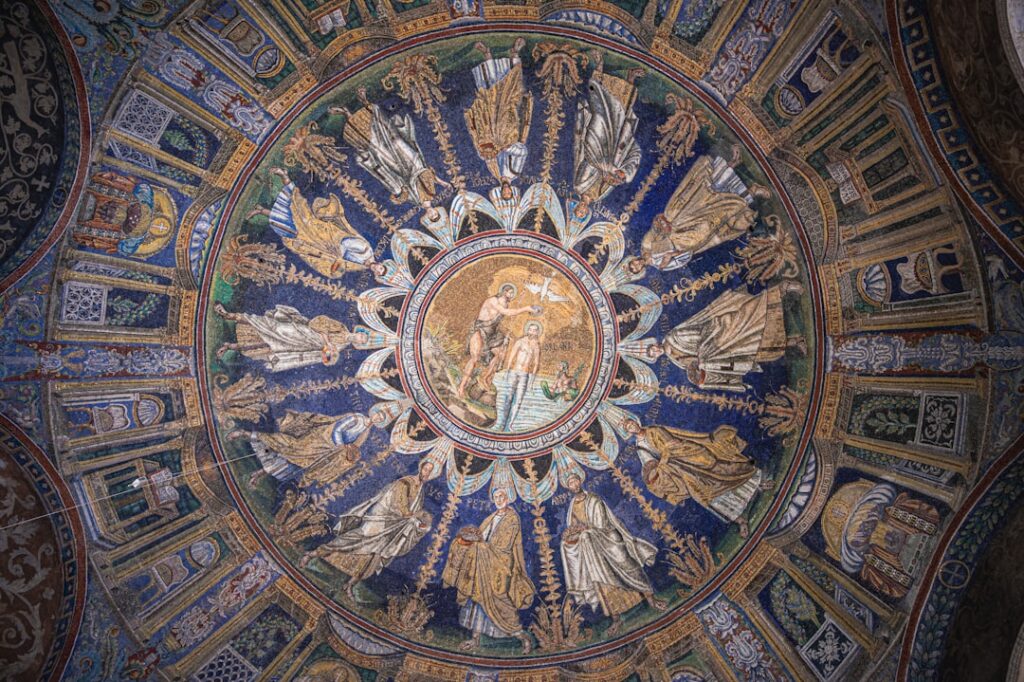
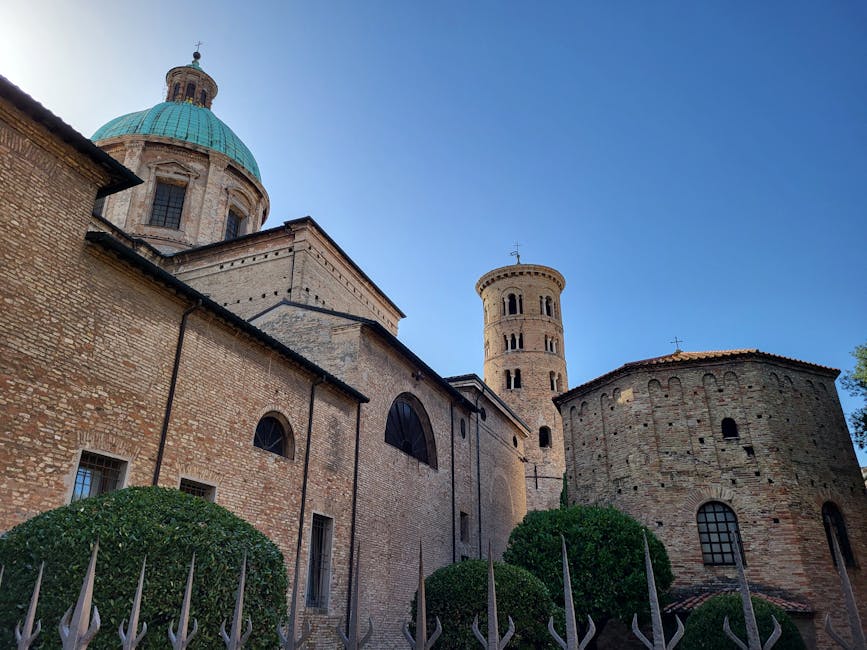
The Battistero Neoniano is a small octagonal building attached to the metropolitan basilica — its modest exterior contrasts with the dazzling richness of the dome mosaic. As soon as you step inside, your eye is drawn to a golden sky: at the center, the figure of the Christ child being baptized by John the Baptist, surrounded by worshipping angels. Colored glass tesserae and gold leaf produce depth and movement; light filtering through the high windows modulates the reflections and gives a different feel depending on the time of day. The surrounding scenes, with processions of saints and marine symbols, convey both the theology of baptism as rebirth and Ravenna’s status as a gateway between Byzantine East and Latin West.
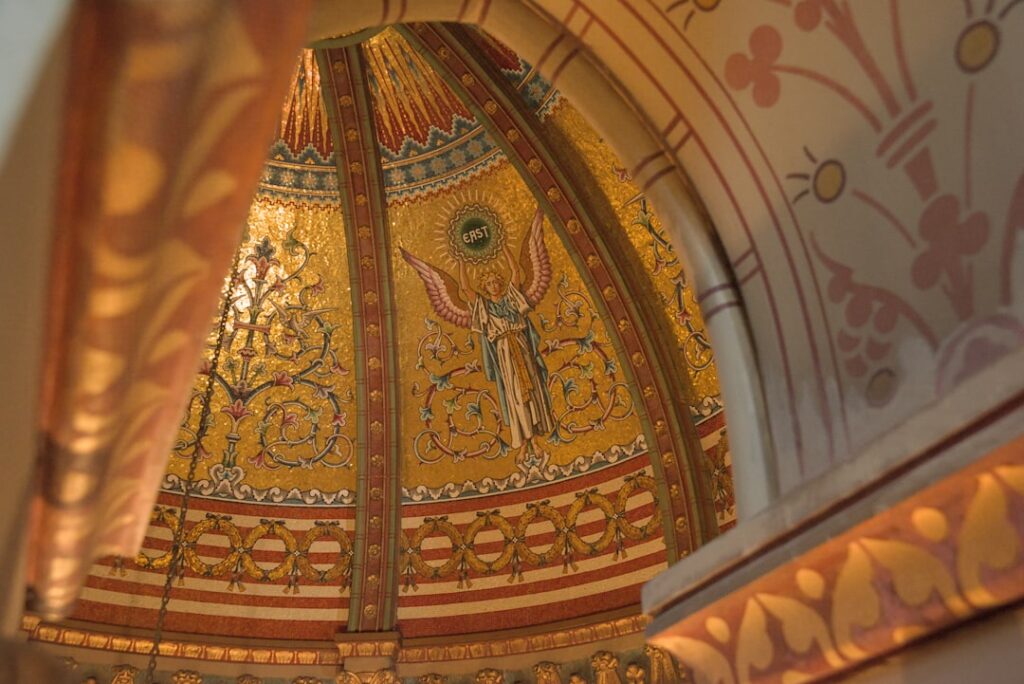
Practical tips: enter quietly and take time to look up — the dome is the masterpiece. Avoid using flash when photographing; local institutions usually ask visitors to shoot without flash to protect the tesserae. If you’re planning a longer visit, combine it with the Cattedrale di Ravenna (Piazza Duomo, 48121) and the Museo Arcivescovile di Ravenna (the archiepiscopal museum) located right next door, as a combined ticket can be more economical. Seating and support for visitors with reduced mobility are limited; inquire in advance if you have special needs.
 Click here to book a guided walking tour of Ravenna’s highlights
Battistero degli Ariani (Arian Baptistery / historical Catholic context) — history, iconography and visit
Full name: Battistero degli Ariani
Address: Via di Roma / Vicolo Battistero degli Ariani, near Basilica di Sant’Apollinare Nuovo, 48121 Ravenna RA, Italy (a few minutes on foot from the main monuments)
Approximate price: €3.00–€5.00 for individual entry. Sometimes closed for restoration; check before you travel.
Usual opening hours: 9:00–17:00 (hours vary by season and staff availability). Morning openings can occasionally be limited.
The Battistero degli Ariani is one of the clearest testimonies to the Christological debates that shook late antiquity. Built for the Arian community associated with the Gothic kingdom of Italy, it presents a baptismal iconography that returns to the theme of Christ’s baptism but with stylistic and formal choices that set it apart from the Neoniano baptistery. The dome, though smaller, shows a majestic Christ and peripheral scenes where the abstraction of forms and a slightly different color palette diverge from the Byzantine standards used in the Neoniano. The space is compact: you feel the proximity of the images, as if the liturgy unfolded surrounded by mosaics.
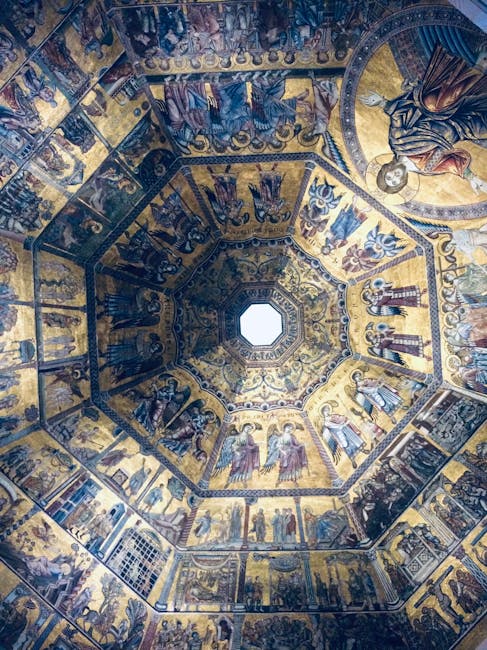
Practical tips: visiting the Battistero degli Ariani is especially insightful if you pair it with the Neoniano — comparing the two domes and their presentations of the baptism helps you understand theological and aesthetic variations. Wear quiet shoes: the acoustics in these small spaces are such that a single step can break the meditative atmosphere. If the site is closed or under renovation, the tourist office often provides explanatory leaflets or alternative guided tours that explain the historical and artistic differences.
Click here to discover the UNESCO-listed monuments and mosaics
How to plan your visit — tickets, hours, combinations and photographer tips
Ticketing: Ravenna often offers combined tickets that include several UNESCO monuments: Basilica di San Vitale (Via San Vitale, 17), Mausoleo di Galla Placidia (Via San Vitale, 85), Battistero Neoniano, Battistero degli Ariani and others. A standard pass typically costs between €11 and €15 for adults (indicative 2024/2025 prices). Discounts for students, seniors and groups vary; bring ID to qualify for reduced rates. Some attractions require a separate ticket if they host a temporary exhibition.
Hours and best time to visit: to avoid crowds, aim for opening time (9:00) or the last hour before closing. weekday mornings (outside the peak season of July–August) are generally the quietest. Tour groups often arrive mid-morning, which can make the experience noisier. In summer it can get hot: carry water and a hat for walking between sites.
Tips for photographers: 1) Flash is forbidden in most baptisteries; 2) Use a wide-angle lens to capture the full dome, but be mindful of other visitors; 3) Stabilize your shots with higher ISO rather than long exposures if you don’t have a tripod (tripods are often prohibited). Finally, favor natural late-afternoon light for warmer tones on the mosaics.
Click here to buy your tickets for the UNESCO-listed mosaics
Local tips, combined itineraries and respecting the site
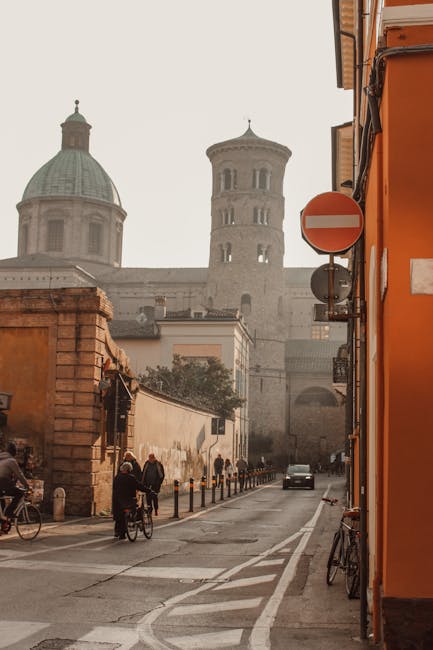
Getting there: Ravenna is very walkable. From Ravenna train station (Stazione di Ravenna, Piazza Luigi Carlo Farini, 48121), allow 15–20 minutes on foot to reach Piazza Duomo where the Battistero Neoniano is located. Local buses also serve the historic center; check urban lines and main stops. If you arrive by car, municipal car parks like P.le Roma (Piazzale Roversan) or Parcheggio Mariani are options; from there, plan a short walk into the center.
Respect and conservation: mosaics are fragile. Respect barriers, don’t touch the walls, and avoid bringing food and drinks inside. Ravenna’s institutions often require visitors to keep a minimum distance for conservation and safety reasons. If you’re a guide or accompanying a group, brief them on the rules before entering to preserve the experience for everyone.
Recommended routes: a half-day route can include Basilica di San Vitale (Via San Vitale, 17), then the Mausoleo di Galla Placidia (Via San Vitale, 85), followed by the Battistero Neoniano and a coffee break in Piazza del Popolo or on Via Cavour. For a full day, add Basilica di Sant’Apollinare Nuovo and Dante’s Tomb (Tomba di Dante, Via Dante Alighieri, 2) if you want to touch on Italy’s literary history.
Conclusion
Ravenna’s baptisteries, the Battistero Neoniano and the Battistero degli Ariani, are must-see stops for anyone wanting to understand the city’s Byzantine soul and how sacred art translated ancient doctrinal debates into images of enduring beauty. Beyond visual admiration, each visit is a history lesson: you can sense exchanges between East and West, political and religious transformations, and Ravenna’s importance as a cultural crossroads between the declining Western Roman Empire and the resurging Byzantine power. The addresses and hours provided in this guide let you plan your visit with confidence, while remembering that practical details can change — check official sites or contact the ufficio turistico di Ravenna before you travel.
For a successful visit, plan ahead (get a combined ticket if you’ll see multiple sites), arrive early to enjoy the light and the quiet intimacy, follow conservation rules and consider pairing these baptisteries with other major Ravenna sites for a richer, coherent experience. And make time to simply sit in a nearby square, sip an Italian coffee, and let the image of Christ in mosaic linger a little longer in your mind — the lasting effect of those gold tesserae is to turn a simple visit into a sensory memory that will stay with you long after you leave.