





Introduction — In the Footsteps of the Byzantines: why Ravenna belongs on your list
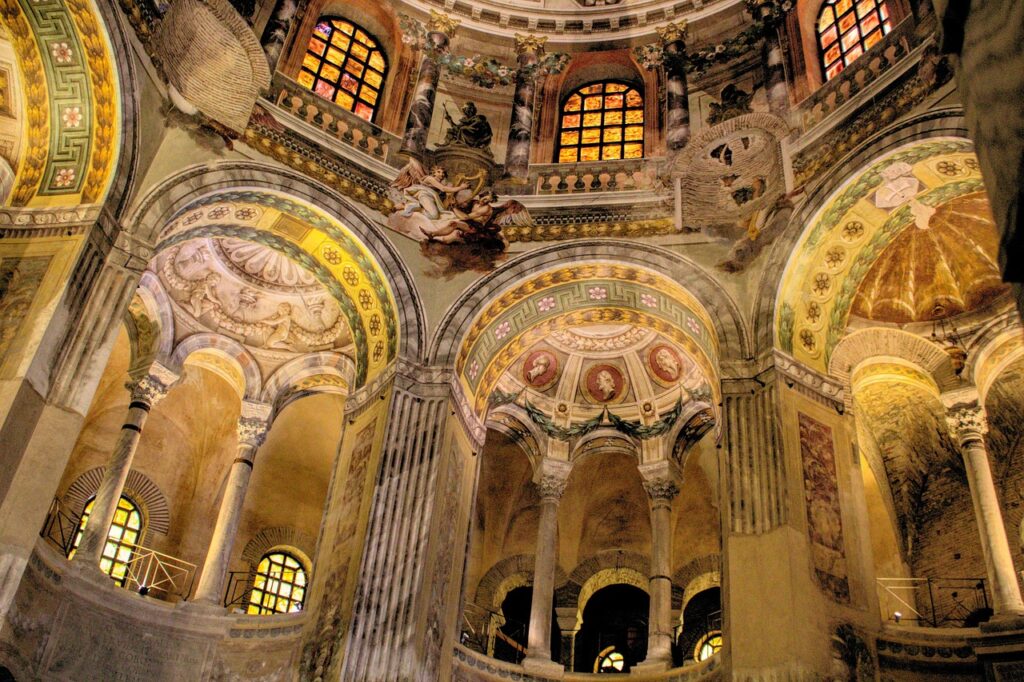
Ravenna, a small town on Italy’s Adriatic coast, is an open-air history book where Byzantine art found an exceptional refuge. Between the 5th and 8th centuries Ravenna became the capital of the Western Empire and later the seat of Byzantine power in Italy; the city still preserves an ensemble of mosaic-covered monuments whose quality and state of conservation rank among the finest in the world. Walking through Ravenna means traveling through more than a millennium of spirituality, authority and aesthetics: from the glittering domes of the Basilica of San Vitale to the tiny, fragmented scenes inside the Mausoleum of Galla Placidia, every site tells a story of power, faith and craftsmanship.
This detailed guide offers a practical, easy-to-follow route to Ravenna’s must-see Byzantine monuments. It’s not just a list: you’ll find exact addresses, current prices in euros, typical opening hours, immersive descriptions to prepare for your visit, plus local tips to optimize your route — when to avoid the queues, where to linger over a coffee or a drink, and which parts of each site deserve a closer look (sometimes with a magnifying glass to examine the tesserae). The guide also highlights accessibility, average visit durations, and recommendations for amateur photographers and families.
Ravenna is easy to explore on foot or by bike: the historic center is compact, the main Byzantine monuments are clustered and usually close to one another. Still, a well-designed circuit ensures you don’t miss anything and lets you alternate intense visits with contemplative breaks, essential for savoring the mosaics’ color harmony. I’ll also share tips for buying combined tickets, booking online when possible, and taking advantage of off-peak hours for crowd-free photos. Get ready to be surprised by the finesse of biblical and Byzantine scenes, the palette of gold and blue, and the timelessness of places that, more than a thousand years after their creation, still inspire awe and respect.
Basilica di San Vitale — Via San Vitale 17: the peak of Byzantine mosaic art
Exact address: Basilica di San Vitale, Via San Vitale, 17, 48121 Ravenna RA, Italy. Price: combined ticket San Vitale + Mausoleo di Galla Placidia usually between €10 and €12 (reduced fares for students and seniors, occasional free entry for under-18s depending on local policy). Typical hours: open daily, 8:30–19:00 in high season (April–September), and 9:00–17:00 in low season (October–March). Recommended visit length: 45–75 minutes.
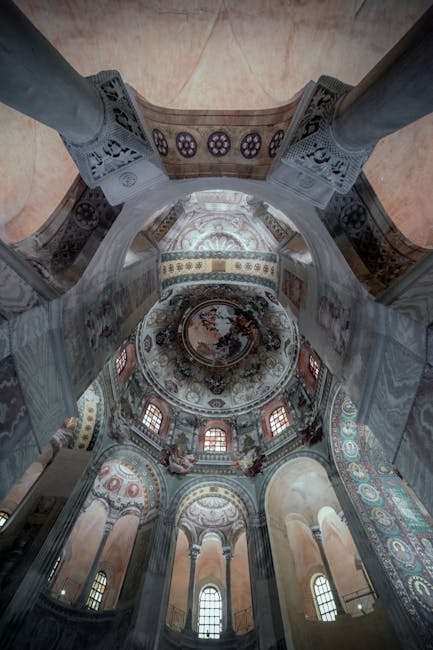
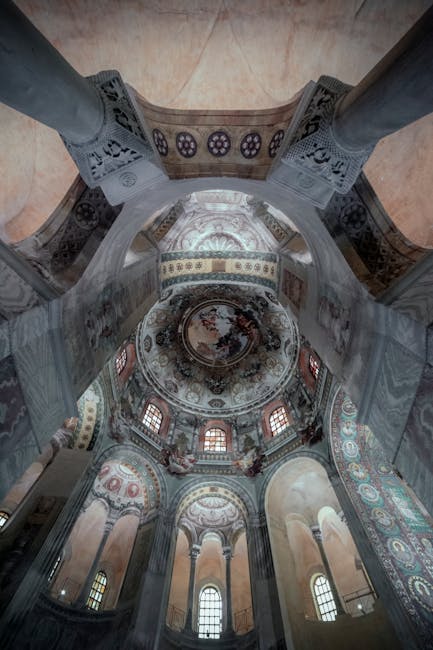
The Basilica di San Vitale is the most striking example of Roman and Byzantine architectural synthesis in western Italy. Its octagonal plan, stacked arches and, above all, its golden mosaics amaze visitors from the moment they enter. Inside, your eye is drawn to finely carved capitals, polychrome columns and, of course, the choir decorated with a political and religious iconography: Emperor Justinian and Empress Theodora flanked by their ecclesiastical and civil retinue — a visual program embodying Byzantine imperial theology.
Visiting tips: aim for the first hour of opening to avoid the crowds and enjoy the quiet of the choir to study the glass and stone tesserae up close. Photograph from the central aisle, then climb slightly toward the galleries (access is limited) for a perspective on the side decorations. If you want a deeper reading, bring a printed or audio guide — typically available in several languages at the entrance — that explains scenes from Christ’s life and the imperial symbols.
Mausoleum of Galla Placidia — Via San Vitale 17: a tiny pocket jewel
Exact address: Mausoleo di Galla Placidia, Via San Vitale, 17, 48121 Ravenna RA, Italy. Price: usually included in the combined ticket San Vitale + Mausoleo di Galla Placidia (≈ €10–12). Typical hours: open at the same times as San Vitale, often 8:30–19:00 in high season, 9:00–17:00 in low season. Recommended visit length: 20–30 minutes.
Don’t be fooled by its size: the Mausoleum of Galla Placidia is tiny compared with San Vitale, but the artistic density is incredible. Its interior walls and vault are filled with early-Christian mosaics of exceptional finesse: deep blue star fields, pastoral scenes, the Good Shepherd, and symbolic motifs that immerse visitors in a nearly celestial atmosphere. The dim lighting adds to the intimacy — it’s a place to pause, breathe and appreciate the mosaics’ technical mastery.
Local tips: the mausoleum can sometimes have a separate queue despite its small size; combine your visit with San Vitale in the morning or late afternoon. Watch out for camera rules: the lighting may require a subtle tripod (check site policy). Also pay attention to how colors shift with light; some iridescent tesserae appear to change when viewed from different angles.
Battistero Neoniano (Battistero degli Ortodossi) — Piazza del Duomo: a dive into liturgy and light
Exact address: Battistero Neoniano (Battistero degli Ortodossi), Piazza del Duomo, 1, 48121 Ravenna RA, Italy. Price: individual ticket about €3–4; combined tickets sometimes available. Typical hours: often 9:00–17:30 (varies by season). Recommended visit length: 20–40 minutes.
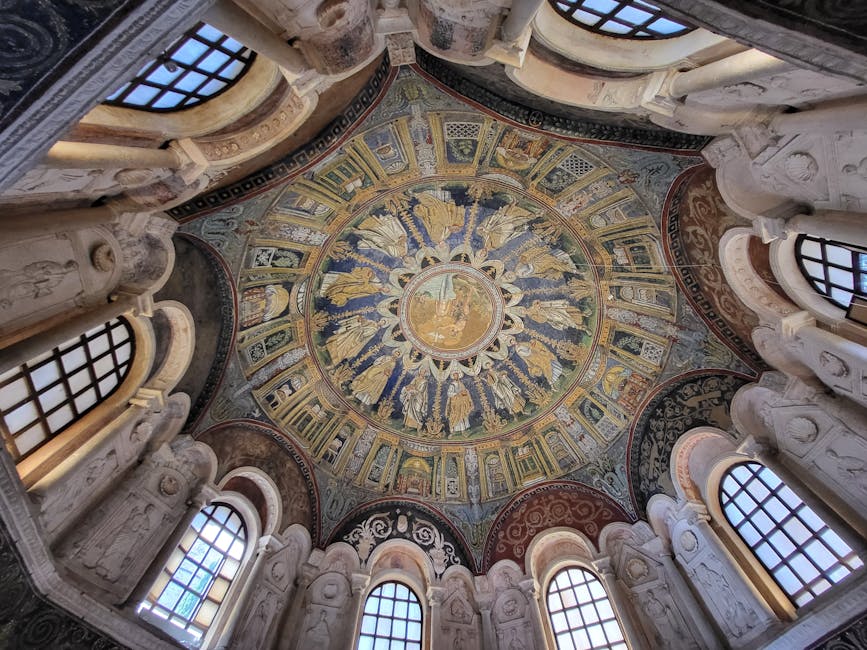
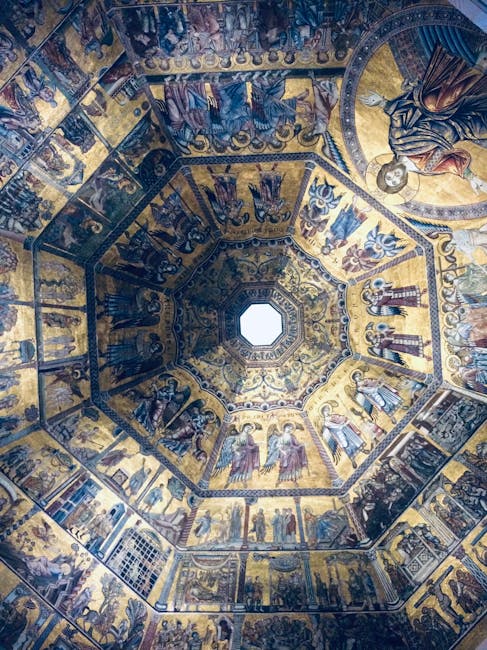
The Neonian Baptistery is one of Ravenna’s oldest Christian monuments. Its central dome depicts the Baptism of Christ surrounded by a host of angels, rendered with expressive simplicity and pictorial presence. The circular space, designed for baptism by immersion, has a distinctive acoustic: voices echo and the mosaic seems to come alive under the natural light filtering through the dome.
Tips: approach the dome slowly to pick out the finesse of the figures and the tesserae techniques. Summer months bring light that emphasizes the golds; in winter the softer light deepens the colors. If you’re traveling with children, it’s a great educational spot to explain Christian symbolism and ancient rituals.
Basilica of Sant’Apollinare Nuovo and Sant’Apollinare in Classe — a comparative itinerary
Addresses and prices: Basilica di Sant’Apollinare Nuovo, Via di Roma, 52, 48121 Ravenna RA — individual ticket around €6; typical hours 9:00–18:00. Basilica di Sant’Apollinare in Classe, Via Roma 224 (Classe), 48125 Ravenna RA — individual ticket often €6–8; hours 9:00–18:00 (check seasonality). Recommended visit length: 45–90 minutes each.
Sant’Apollinare Nuovo, located near the city center, features a long narrative frieze of saints and martyrs — a textbook example of Byzantine procession friezes: iconic figures in procession, flowing robes, golden backgrounds. The effect is almost cinematic, a continuous narrative unfolding along the nave’s axis. By contrast, Sant’Apollinare in Classe, located outside the center, offers a sense of space and solitude: its vast apse and monumental composition invite a more contemplative spiritual reading, with a large mosaic apse showing Christ in majesty surrounded by shepherds and sheep — an ecological and theological symbol.
Practical tips: if you have half a day, start at Sant’Apollinare Nuovo (within walking distance of the center) then take a bus or bike to Classe for Sant’Apollinare in Classe. The Classe site is often less crowded and rewards quiet observation. Bring a windbreaker for the outdoor areas around Classe; the site, near the former coastline, can be breezy.
Museo Nazionale di Ravenna and practical tips for the route
Exact address: Museo Nazionale di Ravenna, Via di Roma 13 (or Via San Vitale depending on the entrance/associated museum), 48121 Ravenna RA. Price: entry often around €6; combined tickets with other sites possible. Typical hours: 9:00–18:00 (check the official site). Recommended visit length: 60–90 minutes.
The National Museum provides essential context to the monuments: archaeological finds, architectural fragments, carved sarcophagi and explanatory panels that situate the mosaics within their historical framework. It’s the ideal place to learn about tesserae manufacturing techniques, source materials (glass, stone, gold) and the iconographic evolution from late antique to Byzantine periods.
Route tips:
- Combined tickets: look for packages that include San Vitale, the Mausoleum of Galla Placidia and the Museum to save time and money.
- Timing: favor mornings or late afternoons for photos; midday tends to be the busiest.
- Transport: Ravenna is pleasant on foot, but to reach Sant’Apollinare in Classe expect a 20–30 minute bus ride from the center (local line), or consider renting a bike.
- Local guides: a certified guide (French/English/Italian) can transform the experience — expect roughly €80–120 for a half-day for a small group.
- Respect: these sites are historic places of worship — dress respectfully and avoid bulky tripods without permission.
Conclusion — Take Byzantine light home with you
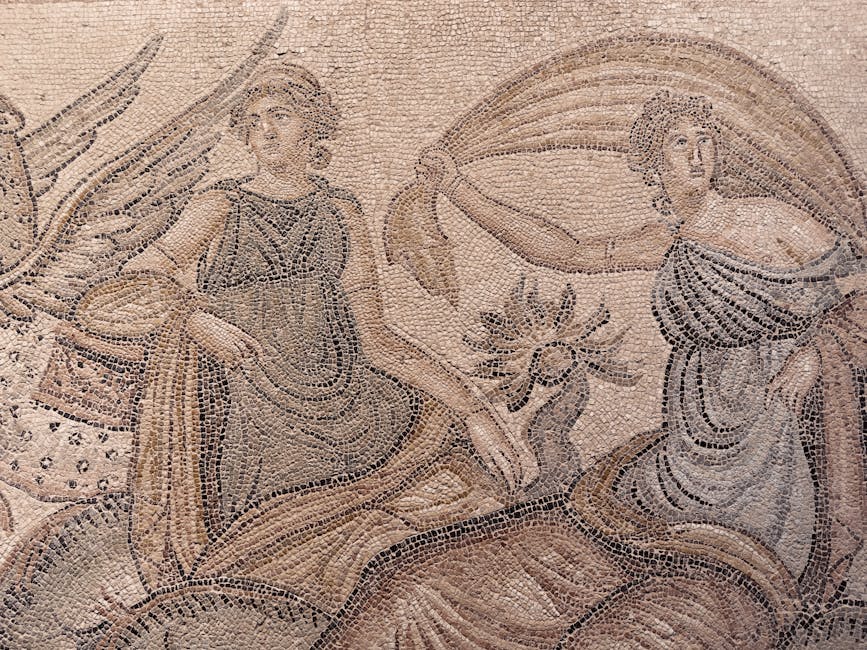
Ravenna is more than a destination for art lovers; it’s a sensory experience where light and material have been in conversation for a thousand years. This route, focused on the must-see Byzantine monuments — Basilica di San Vitale, Mausoleum of Galla Placidia, the Neonian Baptistery, the Apollinare basilicas and the Museo Nazionale — helps you grasp the scope and coherence of a unique artistic legacy. Mosaics aren’t mere decoration: they are visual texts, theological manifestos and acts of power. The golden hues, deep azures and sparkling tesserae linger long after your trip.
Plan at least a day and a half for a calm overview: a morning for San Vitale and Galla Placidia, a lunch break at a local trattoria, an afternoon for Sant’Apollinare Nuovo and a trip out to Classe, and finally a visit to the Museo Nazionale to put everything in context. Book combined tickets when possible, favor off-peak hours, and leave time for contemplation — sometimes simply sitting in front of a mosaic-filled apse is the best way to absorb what you’ve seen. Take some photos, but mostly take away a visual memory: the way light plays on the tesserae and the timeless feeling that inhabits these places.
Finally, don’t forget to wander a bit beyond the monuments: Ravenna’s lanes are full of cafés, local pastries and small artisan workshops where you can extend your discoveries. One last practical tip: check the official sites of the monuments before you go to confirm hours and prices, and watch for temporary exhibitions that can greatly enrich your visit.