





Introduction: A Deep Dive into the Hidden Treasures of Galla Placidia’s Mausoleum in Ravenna
The Mausoleum of Galla Placidia (Italian: Mausoleo di Galla Placidia) is one of those places where history, art, and spirituality meet in a nearly miraculous way. Nestled in the heart of Ravenna, a city renowned for its Byzantine mosaics, this small funerary building holds hidden treasures that continue to enchant historians, travelers, and art lovers. In this comprehensive guide I’ll walk you through everything you need to understand, feel, and visit the mausoleum: exact address, opening hours, ticket prices, immersive descriptions, local tips, and visual cues for photographing the mosaics under the best conditions.
The Mausoleo di Galla Placidia is located at: Via San Vitale, 17, 48121 Ravenna RA, Italy. It sits within a dense heritage block: just steps from the famed Basilica of San Vitale (Basilica di San Vitale), the Basilica di Sant’Apollinare Nuovo, and other UNESCO World Heritage sites. Those proximities make it a logical stop during a half-day tour, but every corner of the mausoleum deserves a long, contemplative pause — the richness of the mosaics and the intimacy of the space leave a strong impression on visitors.
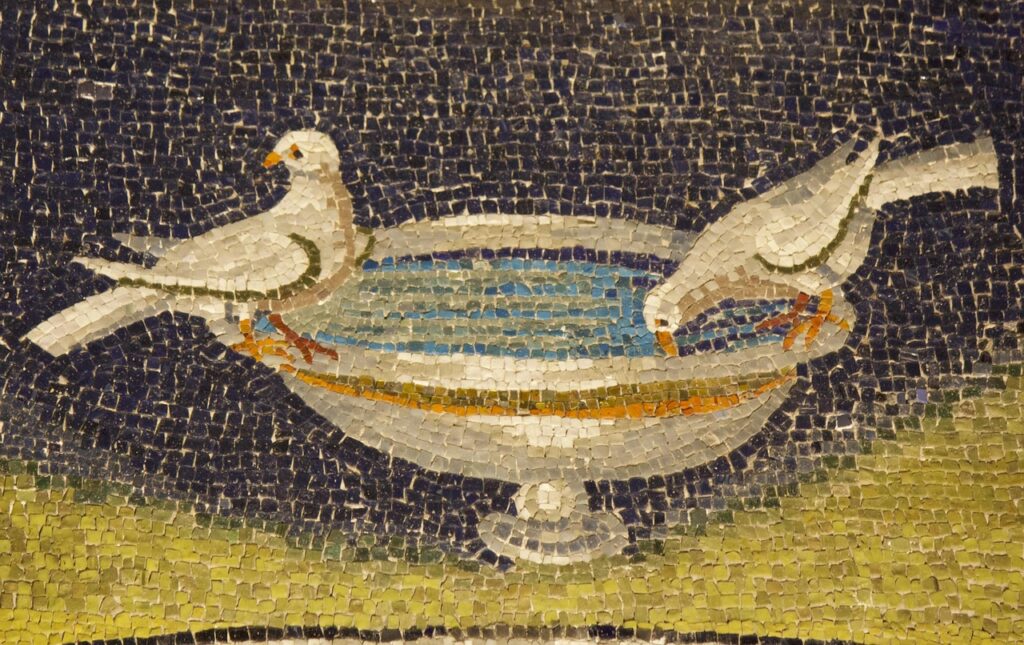
Below you’ll find a practical, informative, and professional guide. It includes practical details (prices in euros, opening hours current at time of writing), room-by-room descriptions, tips to avoid the crowds, photography advice, and recommendations to extend your visit around Ravenna. The approach is immersive: I describe not only the mosaics (their iconography, materials, and light effects) but also the physical sensation of the place — the mausoleum’s small scale, the star-studded vault, and the contrast between dark stone and golden tesserae.
Before we dive in, a few practical notes: the mausoleum is small and access can be limited by the number of visitors allowed in at once. It’s wise to buy tickets in advance or, at the very least, arrive early in the morning. Tickets are often sold as part of combined passes with other Ravenna monuments under the “Pass Monumenti” scheme (price varies depending on the combination). Local tourist offices supply brochures in several languages and sometimes offer guided tours. Also, even though the lighting is designed to showcase the mosaics, bring a light jacket: the interior is cool and quiet, ideal for prolonged observation.
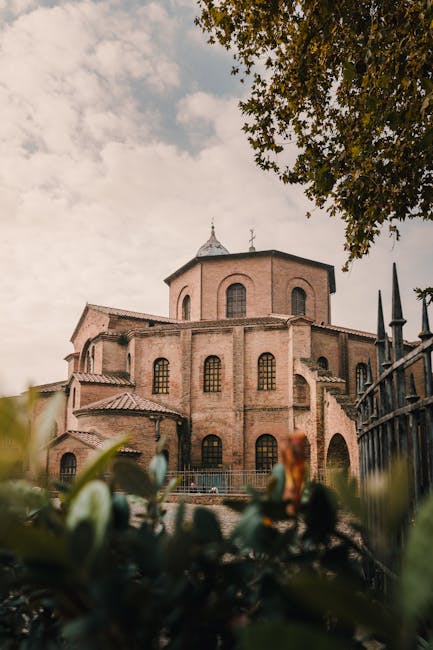
1) History and Context: Who Was Galla Placidia and Why a Mausoleum in Ravenna?
The monument’s name evokes an imperial figure: Galla Placidia, sister of Emperor Honorius and mother of Emperor Valentinian III. Born in the 4th century, Galla Placidia lived through the turbulent final phase of the Western Roman Empire, marked by invasions, captivity, and political negotiations. Ravenna, which became the seat of Western imperial government in the 5th century, attracted monumental constructions and mausoleums for imperial and aristocratic families. The Mausoleo di Galla Placidia, usually dated to the early 5th century (around 425–450 AD), is one of those small funerary sanctuaries that testify to the transition between Roman traditions and Byzantine aesthetics.
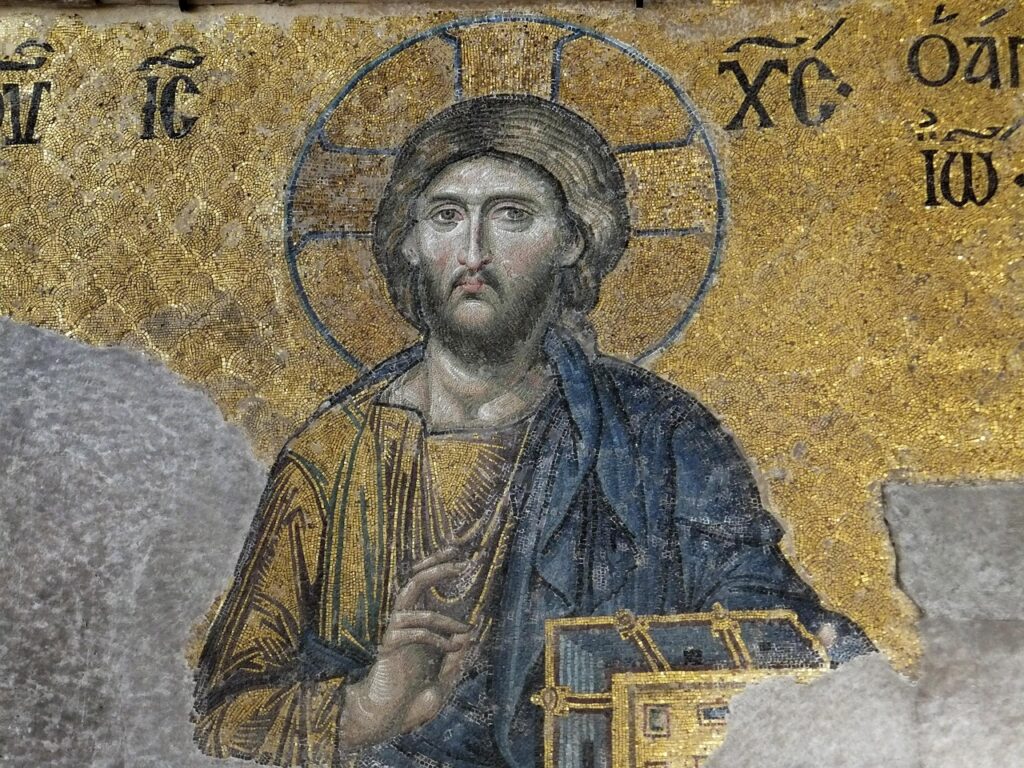
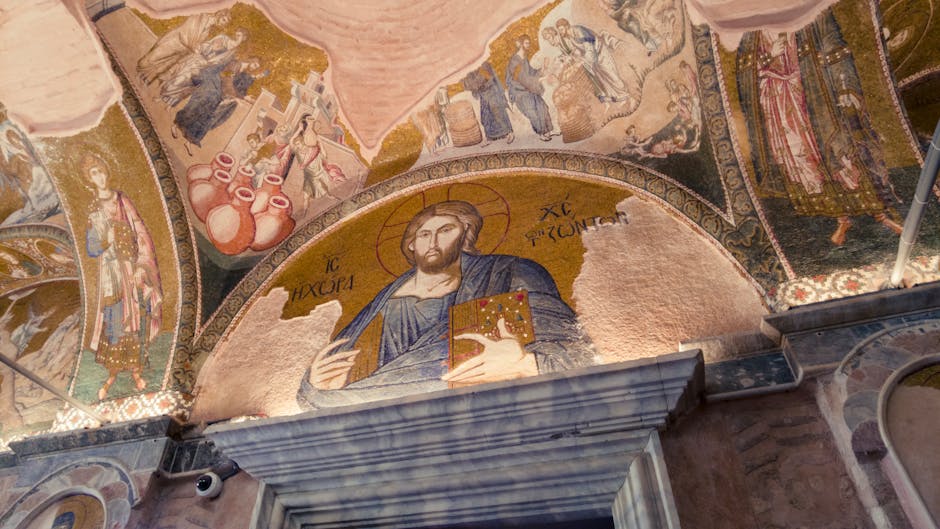
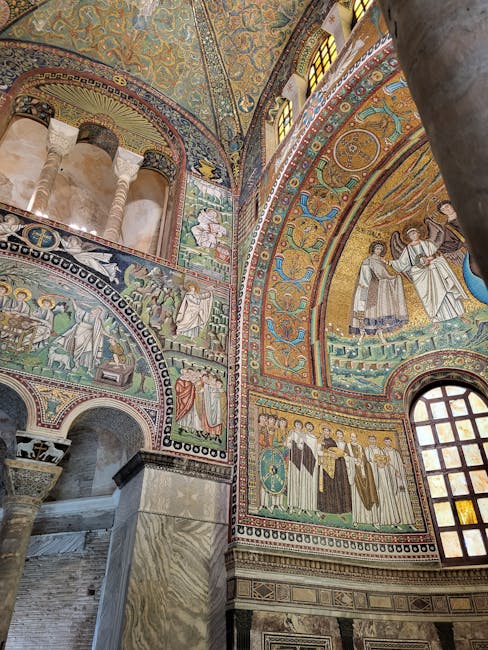
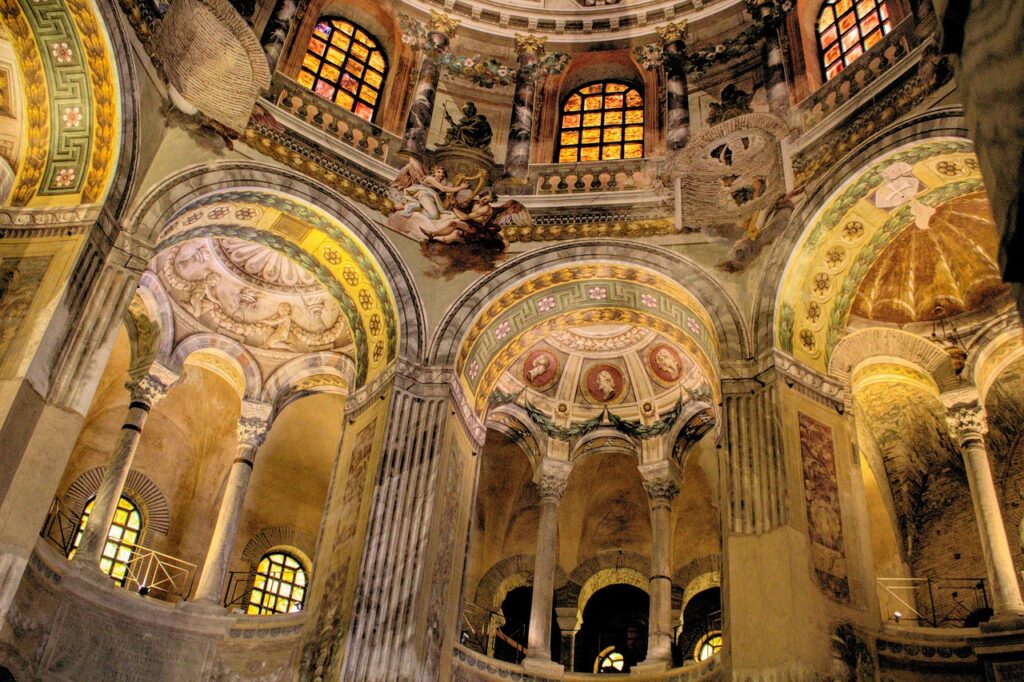
The building is often cited as one of the oldest and most complete examples of Byzantine mosaics in the West. The mosaic iconography (the mystic lamb, stars, saints) reflects a rich visual language that served both liturgical and commemorative functions. The mausoleum’s plan is simple: a dome crowning a Latin cross or a cross-in-square layout according to some analyses; the space is small but airy, creating a light intensity that transforms tesserae into an almost celestial visual experience.
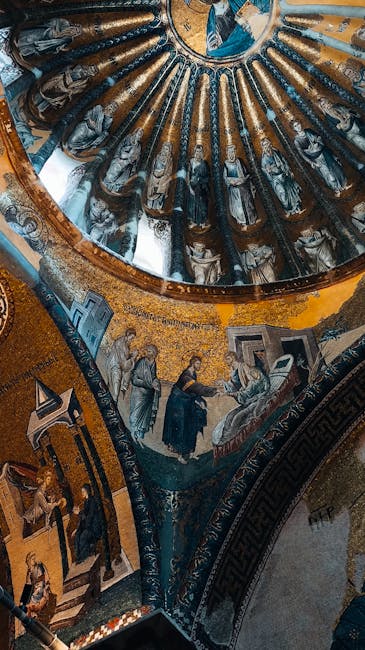
Some questions remain open: Galla Placidia’s body may not have been interred here permanently, or perhaps only temporarily, which raises questions about funerary practices and imperial symbolism. Archaeological and historical studies continue to analyze materials, laying techniques, and mosaic pigments, revealing exceptional technical skill. For the modern visitor, understanding this context deepens the wonder: these tesserae are not only beautiful, they’re the result of cultural exchanges, workshop expertise, and a historical moment when Byzantine art began to shape Christian imagination in Western Europe.
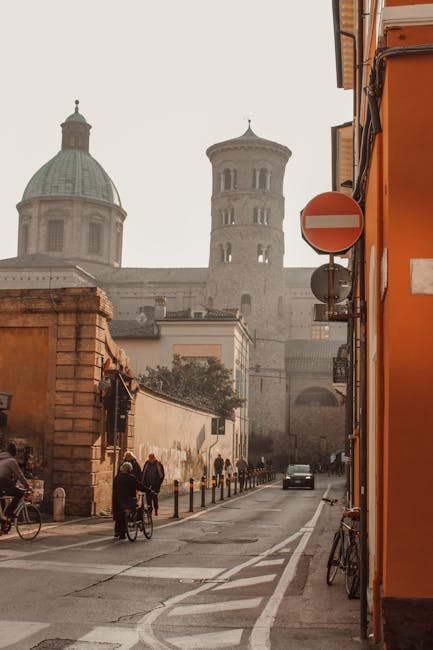
2) Detailed Interior Description: Mosaics, Iconography, and Sensory Experience
Stepping into the Mausoleo di Galla Placidia is like entering a cosmic chamber. The interior is compact — roughly 8 x 6 meters according to plans — but every inch is covered with finely laid mosaics. The dome and vaults are dotted with a starry sky: deep blue tesserae alternating with gold create visual constellations that seem to shimmer in the filtered natural light. The most famous motif is arguably the “Mystic Lamb” (Agnus Dei), surrounded by evangelist symbols, located at the center of a ceiling that draws the eye immediately upward.
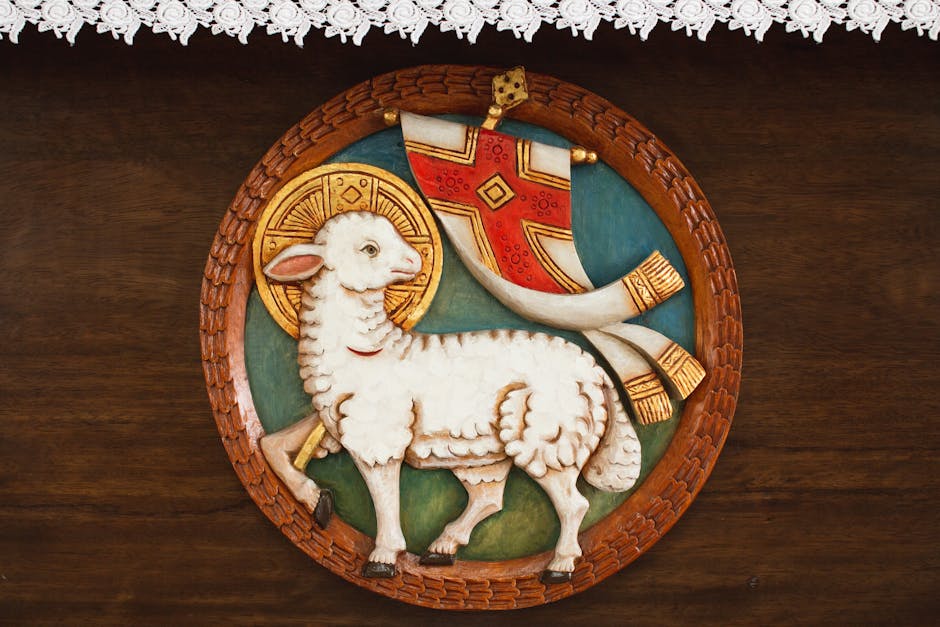
The mosaics use a variety of materials: colored glass, gold tesserae, and polychrome stones. The gold is set on a layer of enamel that captures and diffuses light, giving the compositions depth and a brilliance that shifts with the hour of the day. Byzantine artists used inclined placement techniques to make reflections livelier in dim interiors — a trick you’ll notice right away: some tesserae appear to “twinkle” as you move your head.
The iconography is powerful but restrained: stars, palmettes, crosses, lambs, and angelic figures. The scenes avoid complex narrative sequences and instead present core symbols of early Christianity. For instance, the sacred lamb, often flanked by books or evangelist symbols, points to the idea of Christ as sacrificial and triumphant. The stars on a blue background can be read as a reminder of the heavenly banquet, while small inscribed crosses give the space a strong liturgical feel.
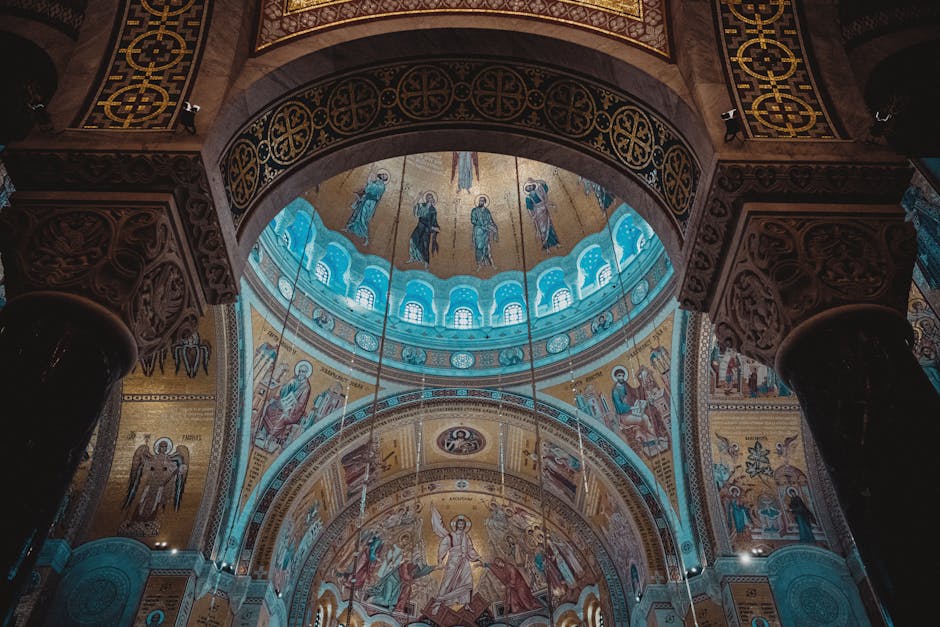
Sensory-wise, the mausoleum is surprising: sound is muted, almost muffled; the coolness of the stone contrasts with the dazzling gold of the mosaics. You’ll often find a respectful hush, broken only by low-voiced tour guides. To fully appreciate the art, move slowly along each wall, circle the center, and observe how direct light emphasizes texture and color. Avoid flash photography — not only is it prohibited for conservation reasons, but it also ruins the delicate lighting magic. Instead, raise your ISO if needed and steady your camera against the railing or your bag to prevent blur.
3) Practical Information: Opening Hours, Prices, How to Book, and Best Times to Visit
Exact address: Mausoleo di Galla Placidia, Via San Vitale, 17, 48121 Ravenna RA, Italy. Useful phone: +39 0544 482327 (Office of the Polo Museale della città di Ravenna — check locally as the number may change). The mausoleum sits within Ravenna’s core monuments and is frequently included in the city’s walking routes.
Opening hours (indicative, subject to seasonal changes and holidays):
- April to September: 9:00 AM – 7:00 PM (last admission times may vary)
- October to March: 9:00 AM – 5:30 PM
- Special closures: certain religious holidays and restoration work. It’s strongly recommended to check the official site or Ravenna’s tourist office before your visit.
Admission prices (indicative, in euros):
- Single ticket for the Mausoleo di Galla Placidia: approximately €3.50 – €5.00
- Combined ticket “Monumenti Ravennati” (including Basilica di San Vitale, Mausoleo di Galla Placidia, Battistero Neoniano, and other sites): approximately €10.00 – €15.00
- Reduced rates: students, seniors, and groups with proof (usually around -50%)
- Free entry: children under 6 (confirm locally)
Booking tips and how to avoid crowds:
- Buy a combined ticket if you plan to visit several monuments (saves money and often means shorter lines).
- Arrive at opening time (9:00 AM) to enjoy a nearly guaranteed peaceful moment; avoid 11:00 AM–3:00 PM when tourist buses arrive.
- Allow 30–45 minutes for a focused visit to the mausoleum; for an in-depth visit that includes San Vitale and the Battistero Neoniano, plan a half-day.
- If visiting in high summer, between 1:00 PM and 4:00 PM the interior can be especially luminous, highlighting the gold — but that also means more visitors.
4) Local Practical Tips: Getting Around, Eating, Photographing, and Respecting the Site
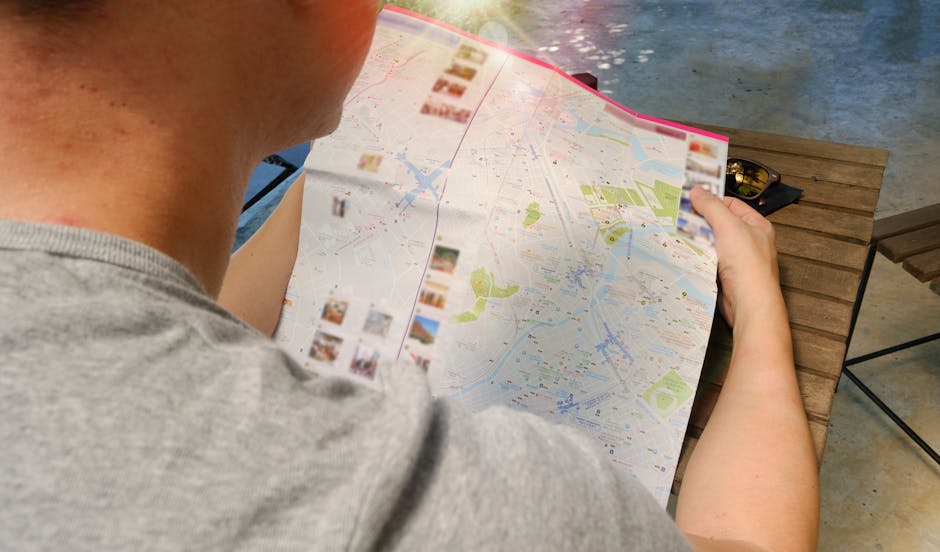
Getting around Ravenna is easy: the historic center is compact and very walkable. The Mausoleo di Galla Placidia is just a few minutes on foot from Ravenna train station (Piazza Luigi Carlo Farini / Stazione di Ravenna). If you’re driving, note that the historic center has limited-traffic zones (ZTL) where access is restricted; parking is usually available in peripheral lots like those near Viale Farini or on permitted streets, and you then walk into the center. Taxis and ride-hailing services are available but less frequent than in larger cities.
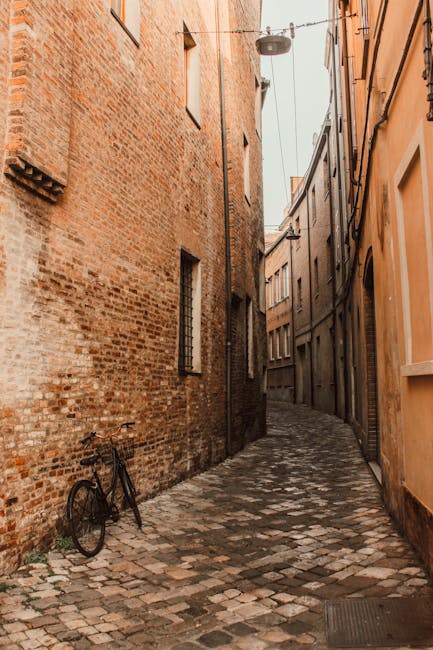
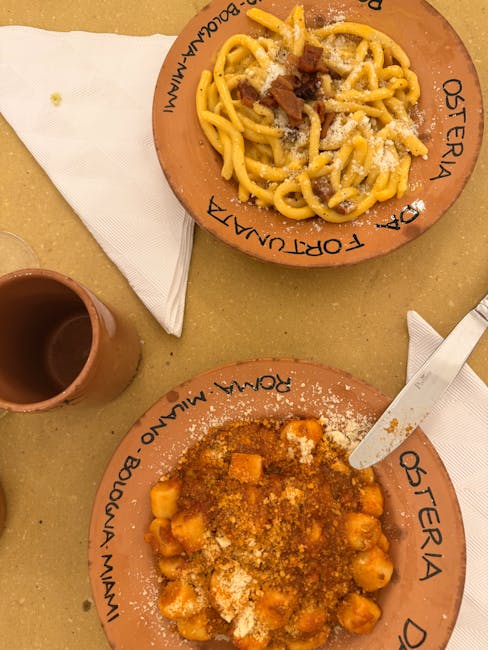
Food and breaks: to extend your visit, the area around Via San Vitale offers several cafes and traditional trattorie. A few local recommendations:
- Trattoria Al Cerchio, Via IV Novembre, 20, 48121 Ravenna RA — traditional Romagna cuisine, homemade pasta (average price per person: €15–€25).
- Pasticceria Benedetti, Via Galla Placidia, 10, 48121 Ravenna RA — perfect for coffee and pastry after your visit (local pastries, prices: €2–€6).
Photography and respect:
- Flash prohibited: artificial flash can damage mosaics. Use higher ISO or a fast lens to capture details.
- Tripods: often not allowed inside; check with staff. A discreet monopod may sometimes be tolerated.
- Behavior: the mausoleum is a funerary and religious space — keep voices low, do not touch mosaics, and respect protective barriers.
5) Suggested Route and Extensions: What to See Around the Mausoleum and How to Spend a Half-Day in Ravenna
The Mausoleo di Galla Placidia fits perfectly into a walking route among Ravenna’s main Byzantine monuments. Here’s a recommended half-day itinerary (3 to 4 hours) that makes the most of your time:
- Start: Ravenna Train Station (Stazione di Ravenna). It’s about a 15–20 minute walk to the central complex.
- 1st stop: Basilica di San Vitale, Piazza San Vitale, 1, 48121 Ravenna RA — recommended time: 45–60 minutes. Hours: generally 9:00 AM–7:00 PM (varies). Approx. ticket: €6–€10, often included in a combined pass.
- 2nd stop: Mausoleo di Galla Placidia, Via San Vitale, 17 — recommended time: 30–45 minutes.
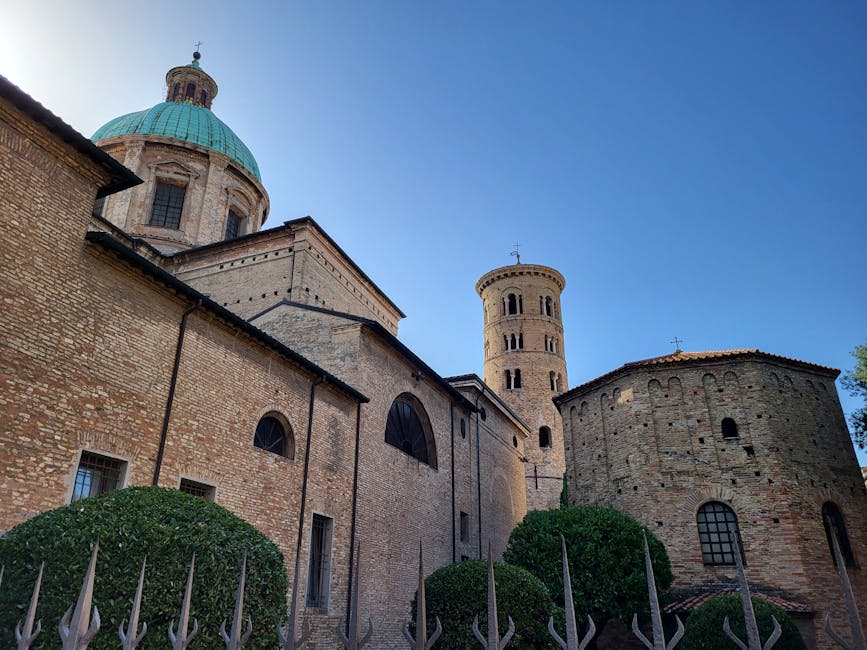
- 3rd stop: Battistero Neoniano (Battistero degli Ortodossi), Via Galla Placidia, 15 — famous for its baptismal mosaics. Time: 20–30 minutes.
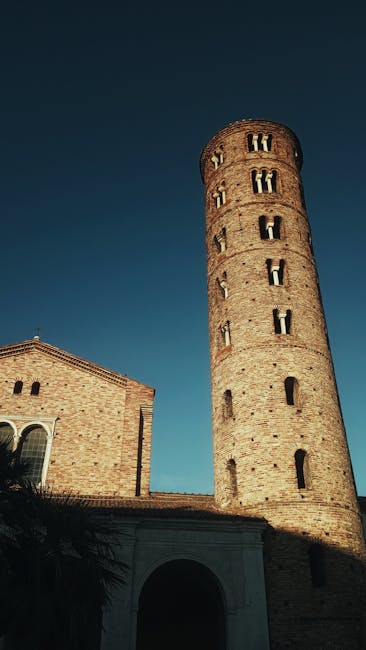
- Optional: Basilica di Sant’Apollinare Nuovo, Via di Roma, 52 — a 10–15 minute walk and essential for its character friezes and Byzantine corridor.
If you have an extra day, consider:
- The Mausoleum of Theodoric (Mausoleo di Teodorico), Via delle Industrie, 2 — an Ostrogothic monumental tomb (paid entry).
- The Basilica di Sant’Apollinare in Classe (further out, in Classe) — famous for its mosaic apse; plan for bus or taxi transport.
- The National Museum of Ravenna (Museo Nazionale di Ravenna) to deepen your historical context of the displayed works.
Conclusion: Why the Mausoleum of Galla Placidia Is a Must-See and How to Make the Most of Your Visit
The Mausoleo di Galla Placidia is more than a stop on Ravenna’s tourist map: it’s a concentrated dose of history, art, and spirituality. In a tiny space, the Byzantine mosaicists’ technical mastery and the symbolic power of the images create an experience that lingers in the memory. The golds, deep blues, and straightforward but universal iconography — the lamb, the stars, the crosses — invite contemplation rather than mere aesthetic appreciation.
To get the most from your visit, go slow and be attentive: start with a panoramic walk to grasp the overall structure, then move closer to study technique and material palette, and finally let your eyes return to the larger compositions to feel the visual narrative. Buy a combined ticket if you plan to visit multiple monuments: it’s more economical and helps you understand Ravenna as a cohesive ensemble of art and history. Always check opening hours and availability on the official site or with the local tourist office before you go.
Finally, respect the site. The mosaics have survived more than fifteen hundred years, and their preservation depends on our current behavior: no flash, no touching, and keep voices low. By following these simple rules you’ll help protect this treasure for future generations. Ravenna, with its dense network of Byzantine monuments, offers a unique travel experience: the Mausoleo di Galla Placidia is one of its most intimate and moving jewels. Take your time, heed local advice, and let the light of the golden tesserae wash over you — you’ll leave not only informed but quietly transformed by the silent beauty of this fragment of history.