





Introduction — Ravenna’s Mosaic Light: Discovering Byzantine Masterpieces
Ravenna, a small port town in Italy’s Emilia-Romagna region, holds some of the West’s greatest Byzantine art treasures. At the end of Antiquity and through the early Middle Ages, Ravenna became a political and religious crossroads where Eastern and Western artists met. The result is an exceptional concentration of buildings covered in polychrome mosaics of rare finesse, luminosity and state of preservation: gold leaf, colored glass tesserae, polished marbles and theological compositions that still speak today. For the attentive traveler, Ravenna is more than a historical stop—it’s a sensory experience: you witness light transformed into mosaic.
This article is a practical, comprehensive guide to understanding, visiting and appreciating these masterpieces in situ: where to start, how to read a mosaic, which works you must not miss, ticket prices and opening hours, plus local tips for a calm, immersive visit. The descriptions below detail the main UNESCO World Heritage monuments with exact addresses and practical info. Photos available online or in guidebooks illustrate but cannot replace the direct encounter with materials: tesserae, light and patina. Expect to look up often, study details closely and let your eyes follow the golden lines that tell biblical and imperial stories.
Before you go: plan at least a full day for the central sites (Basilica di San Vitale, Mausoleum of Galla Placidia, Neoniano Baptistery, Basilica of Sant’Apollinare Nuovo) and half a day for Sant’Apollinare in Classe and the National Museum of Ravenna if you want a deeper chronological and liturgical understanding. Tickets can be bought on site or online; note that some monuments have seasonal hours. After this introduction, the guide breaks down the major monuments, thematic routes, practical tips and the sensory experience of mosaics. Each section includes addresses, opening times and prices, plus recommendations to fully enjoy these mosaic “lights.”
Basilica di San Vitale and the Mausoleum of Galla Placidia — imperial splendor and a starry sky
The Basilica di San Vitale and the Mausoleum of Galla Placidia are two essential stops, a few steps apart, that showcase the technical and theological mastery of Byzantine mosaicists.
Basilica di San Vitale
Address: Piazza di San Vitale, 5, 48121 Ravenna RA, Italy.
Opening hours: generally open daily from 9:00 to 17:30 (winter hours) and 9:00 to 19:00 (summer hours); may close for religious ceremonies.
Entrance fee: about €7 (individual ticket, discounts available; check before visiting).
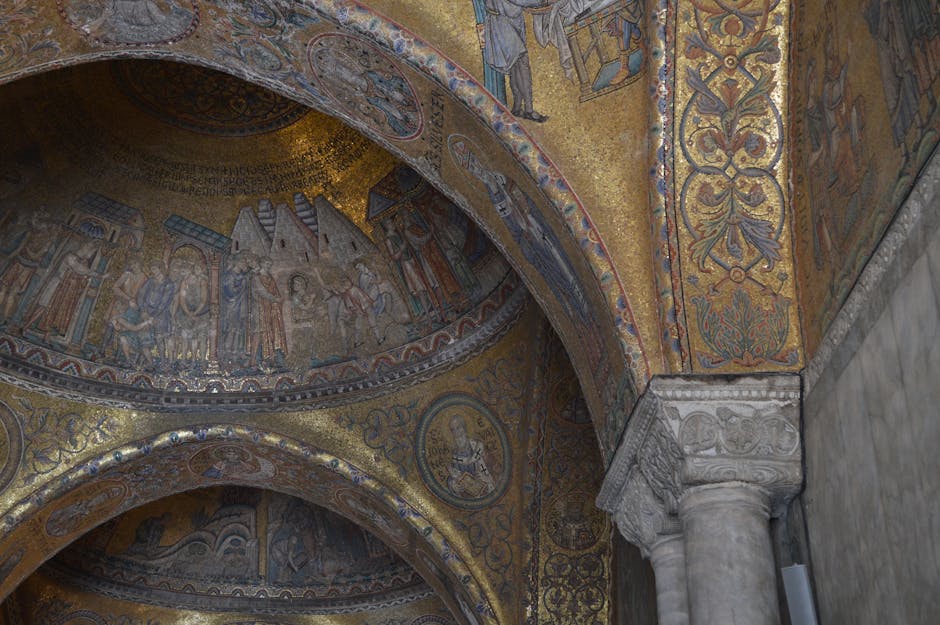
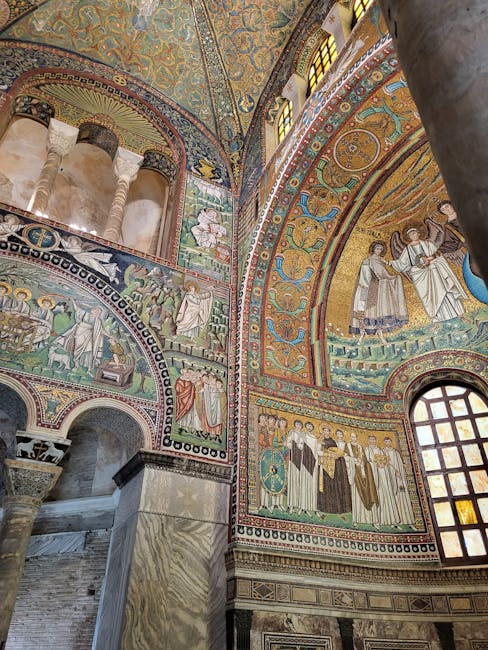
Description: Built between 526 and 547, the Basilica di San Vitale is famed for its opulent decoration, notably the apse mosaics showing Christ surrounded by angels, and the famous imperial panels of Justinian and Theodora. The walls glitter with gold and colored glass tesserae, giving a luminous depth that shifts with the sun’s angle and interior lighting. The octagonal architecture creates a particular acoustics that enhances the sacred atmosphere.
Mausoleum of Galla Placidia
Address: Via San Vitale, 17, 48121 Ravenna RA, Italy.
Opening hours: usually open from 8:30 to 19:00 in high season; reduced winter hours often 9:00–17:00.
Entrance fee: about €3 (separate ticket or combined with other sites depending on the option).
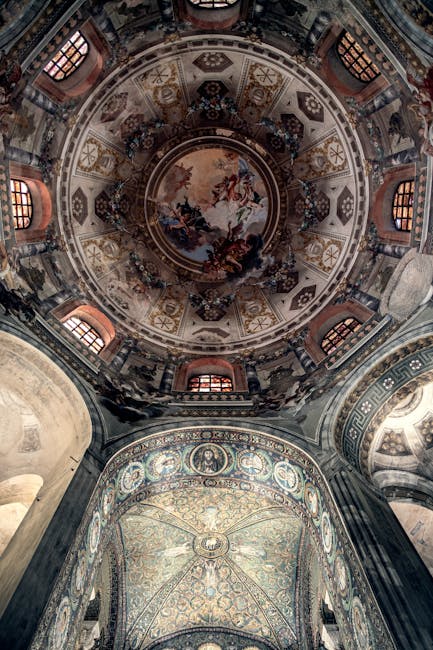
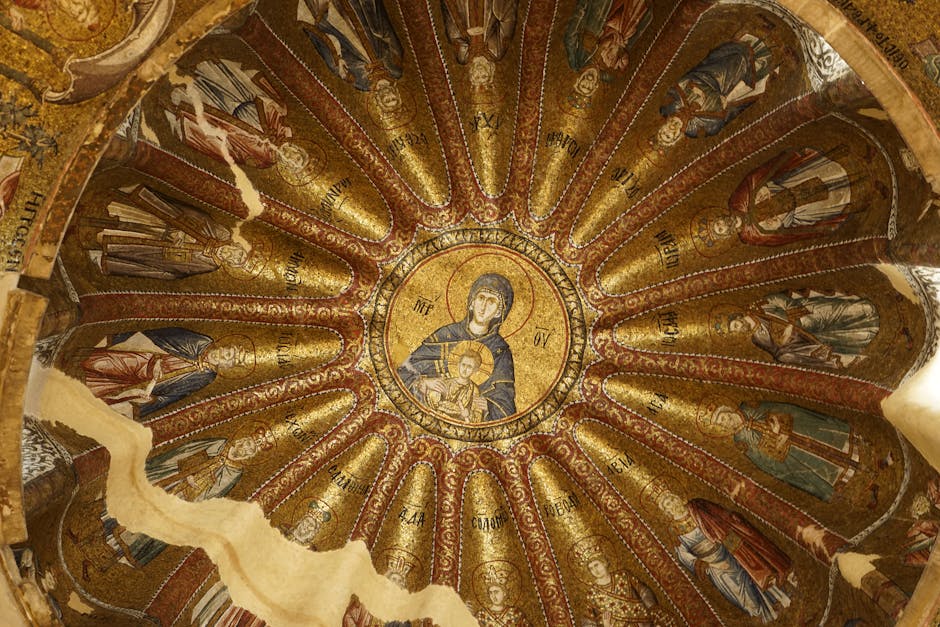
Description: A modestly sized building with discreet charm, the Mausoleum of Galla Placidia houses one of Ravenna’s most moving mosaics: a deep-blue starry ceiling studded with gold stars, surrounding a Good Shepherd or early Christian iconography depending on interpretation. The effect is intimate and almost nocturnal; you feel enveloped by a celestial vault. Natural light filtered through small openings makes the tesserae sparkle and gives the space an almost funerary solemnity.
- Local tip: arrive early at the Mausoleum of Galla Placidia to avoid queues and enjoy the morning light playing across the starry ceiling.
- Accessibility: the basilica is wheelchair accessible via a side entrance, but the mausoleum has more limited access; inquire in advance.
Neonian Baptistery, Basilica of Sant’Apollinare Nuovo and narrative sketches
The Neonian Baptistery and the Basilica of Sant’Apollinare Nuovo are places where biblical storytelling unfolds horizontally, like an illustrated scroll. They show how mosaicists combined narrative, symbolism and accessible visual faith.
Baptistery of Neon (Battistero Neoniano)
Address: Piazza Duomo, 48121 Ravenna RA, Italy (next to the Duomo).
Opening hours: usually open from 9:00 to 18:00, hours vary by season.
Entrance fee: about €3.50.
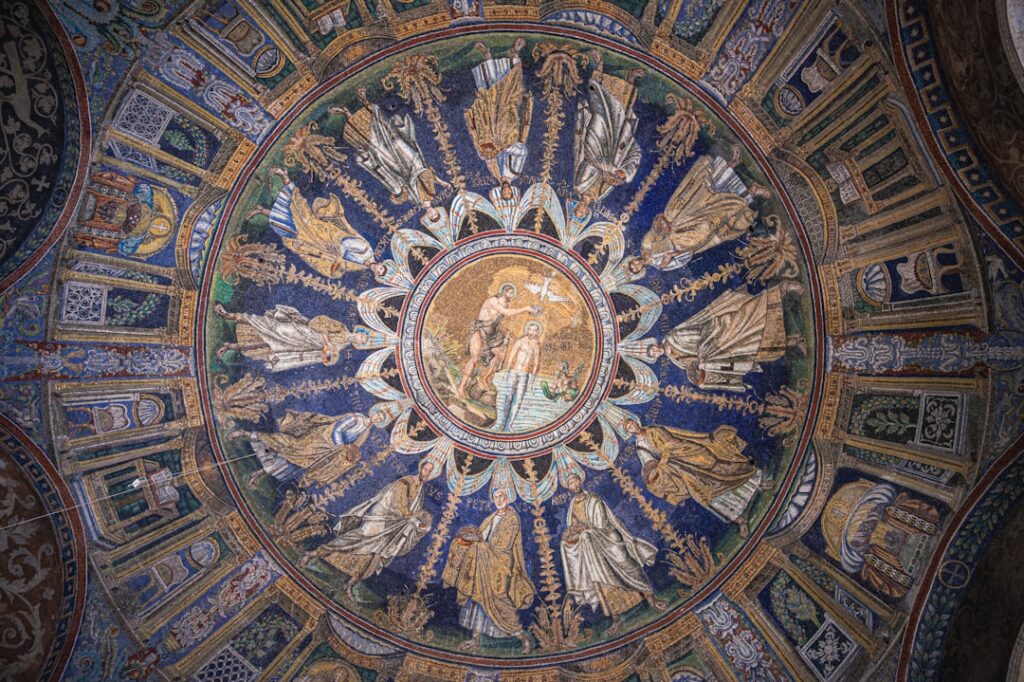
Description: Richly decorated, the baptistery is famous for its dome entirely covered with a mosaic depicting the Baptism of Christ, surrounded by angels and a procession of the baptized. Glass tesserae give an aquatic shimmer that reinforces the theme of purification. The octagonal form symbolizes the transition to new life, and the central mosaic acts as a visual well that draws the eye upward.
Basilica of Sant’Apollinare Nuovo
Address: Via di Roma, 52, 48121 Ravenna RA, Italy.
Opening hours: generally open 9:00 to 19:00 in summer, 9:00–17:00 in winter; may close for services.
Entrance fee: about €6.
Description: Originally created by the Ostrogoth king Theodoric and later reworked by the Byzantines, Sant’Apollinare Nuovo features a long frieze of narrative mosaics where processions of apostles and gospel scenes run along the walls. The atmosphere is brighter and more linear than in San Vitale; the eye follows the procession as if reading a sacred text. Colors are vivid, figures stylized and golden backgrounds omnipresent, creating a sense of theological continuity.
- Local tip: take your time to follow the frieze slowly and compare styles—some panels clearly show Eastern influences, others draw on local traditions.
- Photography: most sites permit photography without flash; respect silence zones and service times.
Sant’Apollinare in Classe, Mausoleum of Theodoric and the National Museum — outskirts, context and artifacts
Heading out to Ravenna’s outskirts enriches your understanding: Sant’Apollinare in Classe offers monumental liturgical decoration, the Mausoleum of Theodoric reflects a different relationship to power, and the National Museum brings together fragments, objects and frescoes that place the mosaics within their material history.
Basilica of Sant’Apollinare in Classe
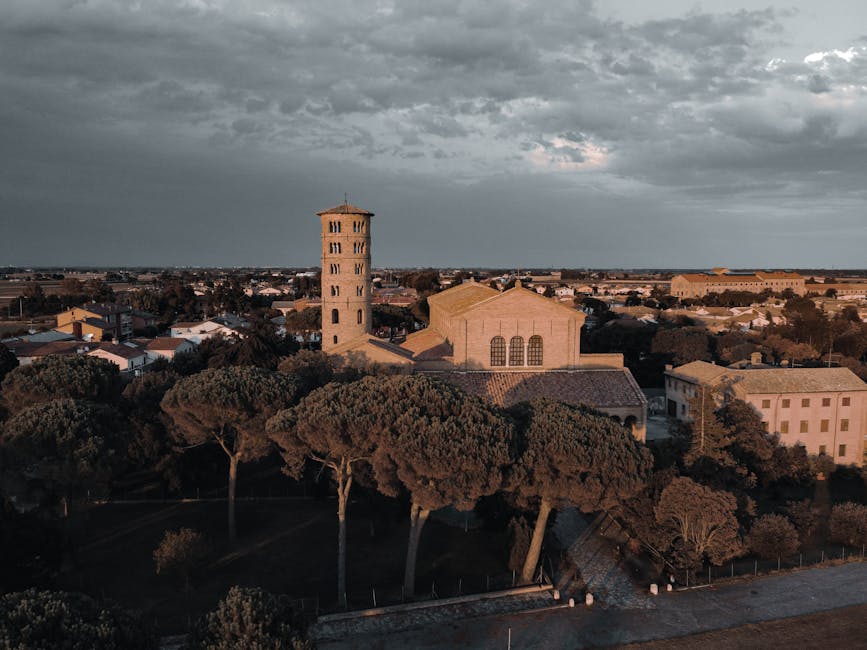
Address: Via degli Asili, 10, Classe, 48121 Ravenna RA, Italy (about 6 km from the historic center).
Opening hours: generally open from 9:00 to 18:00; may close some days of the week.
Entrance fee: about €6.
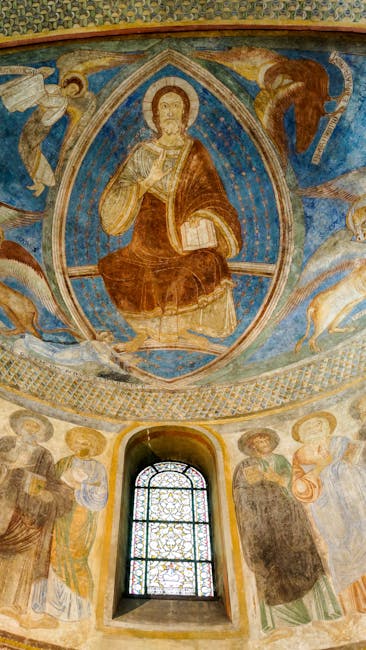
Description: Located near the ancient port of Classe, the church is notable for its ornamental apse where a large Transfiguration Christ dominates a field of vegetal motifs and lambs. The ensemble radiates a rural solemnity amplified by the larger space and side light filtering through big windows. It’s one of the finest examples of liturgical mosaic in a basilical context.
Mausoleum of Theodoric
Address: Via delle Industrie, 4, 48121 Ravenna RA, Italy.
Opening hours: generally open from 9:00 to 18:00; reduced hours in winter.
Entrance fee: about €3.
Description: Built in the early 6th century for the Ostrogoth king Theodoric, the mausoleum is remarkable for its construction from massive stone blocks and its monolithic roof. Although not decorated with mosaics like other sites, it helps understand the political and funerary dimensions that framed artistic production in Ravenna.
National Museum of Ravenna (Museo Nazionale di Ravenna)
Address: Via Baccarini, 3, 48121 Ravenna RA, Italy.
Opening hours: generally open from 9:00 to 19:00; closed Mondays sometimes; check before visiting.
Entrance fee: about €6 (reduced and combined tickets available).
Description: The museum houses mosaic fragments, sarcophagi, icons and liturgical objects that help place the in-situ mosaics in their material history: materials, installation techniques, color palettes and tools are often documented here. It’s an indispensable complement for art history enthusiasts.
- Local tip: use the National Museum as a starting point if you want a chronological overview before seeing the mosaics on site.
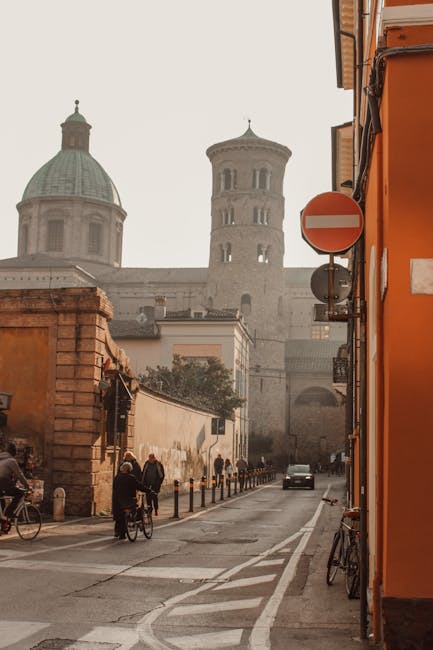
- Transport: Sant’Apollinare in Classe is reachable by local bus (line 4 from the train station) or by taxi; allow 20–30 minutes.
Practical tips, routes and the sensory experience
Visiting Ravenna means managing light, time and concentration. Here are concrete tips to optimize your stay and fully experience mosaic art:
- Timing: aim for early morning (or late afternoon in summer) to avoid crowds and enjoy soft light. Smaller sites like the Mausoleum of Galla Placidia fill up quickly.
- Tickets: consider combined tickets or the Ravenna Card if you’re staying several days — it can save money. The prices quoted are indicative: always check official ticket offices or the Ravenna municipality site.
- How to read mosaics: start by identifying central figures, note the use of color (gold for the divine, blue for the celestial), then read the narrative sequence. Greek or Latin inscriptions sometimes help with identification.
- Etiquette: respect no-flash photography zones, speak softly and avoid sudden movements that disturb contemplative visitors.
- Food and breaks: the city center is full of cafés and osterie; try a piadina romagnola for an authentic break. For a cultural pause, look for local bookshops with publications on mosaics.
Conclusion — Let the mosaic light take hold of you
Ravenna is more than a museum town; it’s a place where light is woven into images. The Byzantine mosaics here are not mere decoration: they are active surfaces telling doctrinal stories, marking imperial presence and turning sacred spaces into visual theatre. Standing beneath a starry ceiling, a frieze of apostles or a golden face, you enter a conversation with craftsmen and patrons from fifteen centuries ago. Understanding techniques—glass tesserae, gold backgrounds, reflective effects—helps decode the language, but the main thing is the direct experience: the emotion evoked by shimmering light and the calm it inspires.
To get the most from your visit: plan ahead, go at least once at dawn, combine major monuments with the museum for historical context, and allow time for contemplation. Bring back more than images: a heightened sensitivity to color, light and visual storytelling. Then Ravenna will tell you, in mosaics, how light can become history.