





Introduction: The mosaics that tell the story of Christ’s baptism at the Neoniano Baptistery in Ravenna
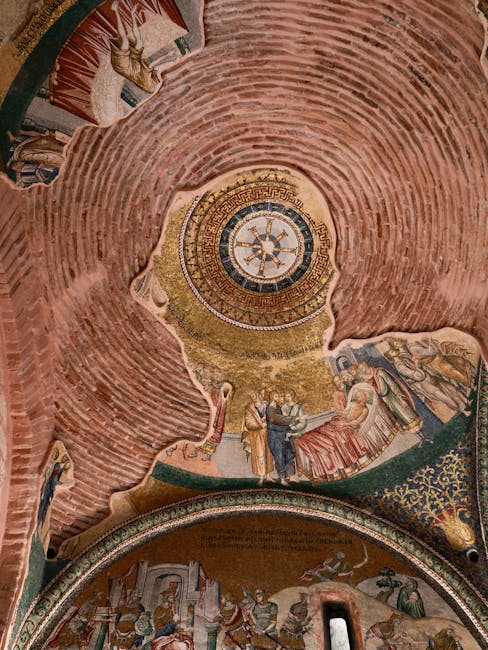
Ravenna, once the capital of the Western Roman Empire and a powerhouse of Byzantine art in Italy, is a city where every cobblestone seems to whisper history. Among its treasures, the Battistero Neoniano — better known in English as the Baptistery of Ravenna or the Orthodox Baptistery — stands out as a small sanctuary of light and color. Tucked in the heart of the historic center, right next to the Basilica of San Vitale and the Mausoleum of Galla Placidia, this octagonal building is famed not just for its restrained architecture but above all for the choreography of gilded tesserae that cover its dome. Executed between the late 5th and early 6th centuries, these mosaics narrate with epic clarity Christianity’s foundational rite: the baptism of Christ.
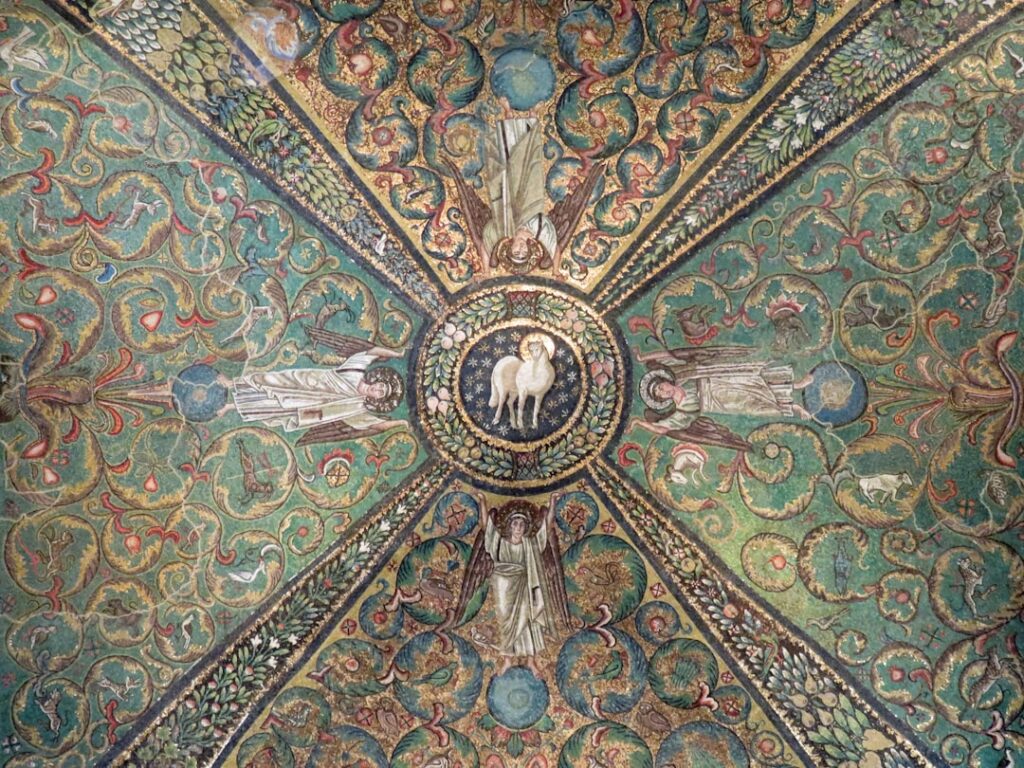
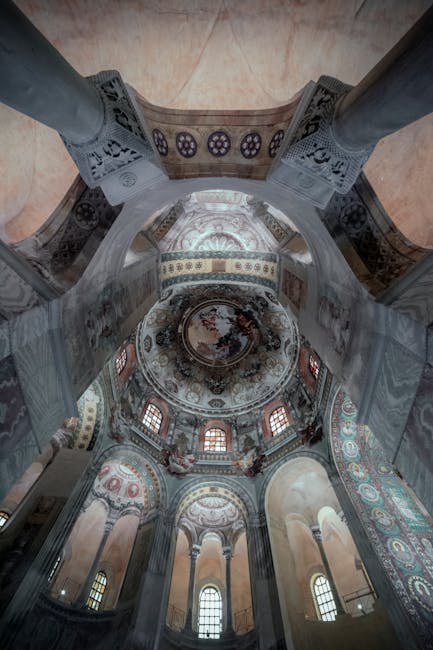
Coming up to the Baptistery of Ravenna prepares you for an intimate, almost sacred spectacle. Inside, your eye is irresistibly drawn upward: the central dome portrays Jesus’ baptism in the Jordan, surrounded by angels, personifications of the river, and a procession of neophytes ready to join the Christian community. Every tessera — stone, glass, enamel or gold leaf — contributes to a visual storytelling where theology, nature and human movement meet. The mosaics do more than decorate; they teach, celebrate and act as a visual liturgy for both the faithful and the casual visitor.
This article will take you into the heart of the mosaics that portray the baptism: a precise description of the scenes, an analysis of their symbols, practical visiting tips (hours, prices, addresses) and suggestions for extending the experience in Ravenna’s heritage quarter. We’ll also cover the historical and religious context that produced these masterpieces, the techniques used by the mosaicists, and the best ways to appreciate the tesserae’s fine work — from the ideal spot to view the dome to the best time of day for natural light. Get ready for an intimate journey into a space where gold reflects faith and history is read in images.
The site and its context: Battistero Neoniano, Piazza Duomo 1, Ravenna
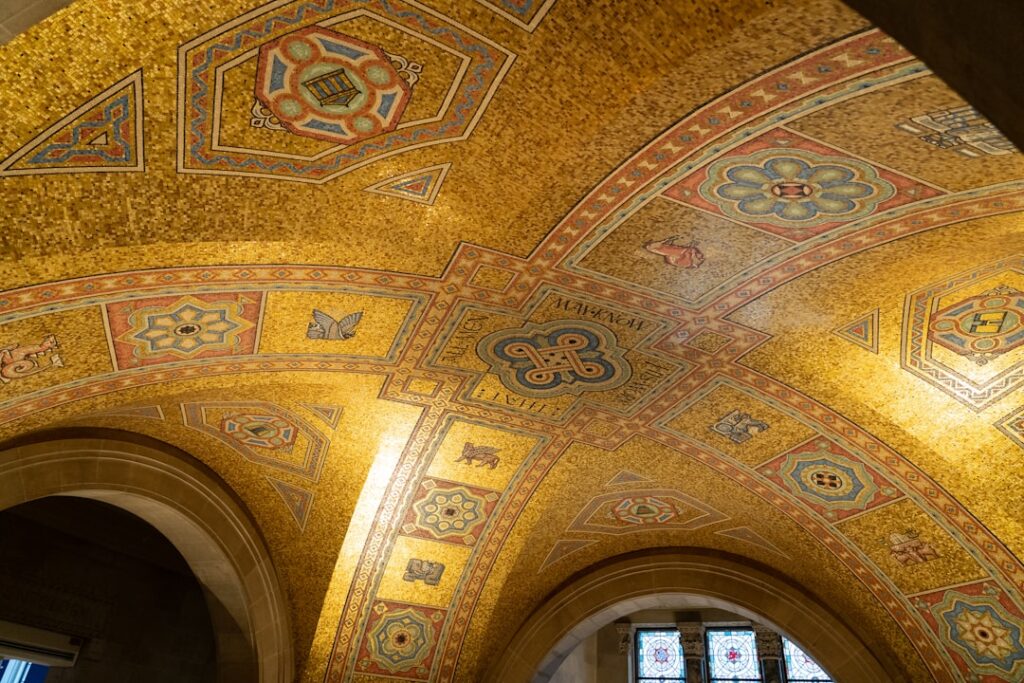
The Baptistery of Ravenna, in Italian Battistero Neoniano or Battistero degli Ortodossi, is located at Piazza Duomo 1, 48121 Ravenna RA, Italy. It forms a heritage trio with the Basilica of San Vitale (Piazza San Vitale, 2, 48121 Ravenna RA) and the Mausoleum of Galla Placidia (Via San Vitale, 17, 48121 Ravenna RA). The small Duomo square — paved and often lively with tour groups — gives immediate access to a religious ensemble that illustrates the blend of Roman imperial art and Byzantine influence.
The baptistery itself is octagonal, capped by a dome where the main mosaic finds its full meaning. Its construction dates back to the 5th century during the episcopate of Bishop Neon (Neone), from whom it takes its name. Originally, it was used for adult, collective baptisms — solemn rites accompanied by chants and processions. In Ravenna, a place of theological diversity (Arianism followed by orthodox Catholicism), the mosaic decoration acquires an almost political dimension: it asserts Christological orthodoxy and underscores baptism’s central role as admission into the Church.
For the modern visitor, the Baptistery of Ravenna is typically visited alongside other monuments included in the « Ravenna, the Early Christian Monuments » UNESCO World Heritage ensemble. Practical details: address as above; phone and ticketing are handled by municipal cultural services. The site lends itself to a short yet dense visit: allow 30 to 45 minutes for contemplative study of the mosaics, longer if you read the explanatory panels or join a local guide. Nearby you’ll find cafés and art bookshops — perfect for extending your reflection after the visit.
The baptism mosaics: a detailed description of the dome and central scene
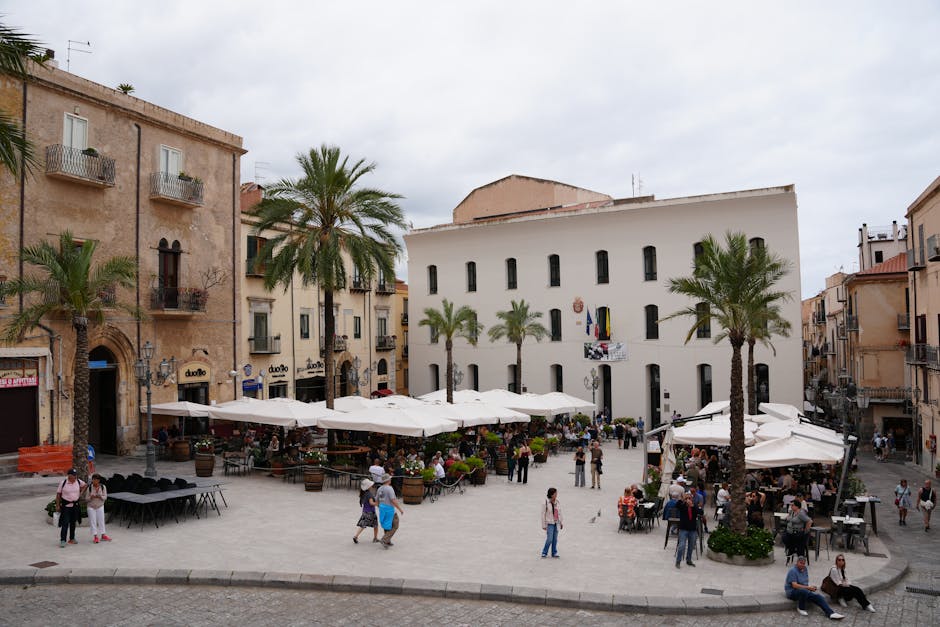
At the center of the dome, the baptism of Christ is rendered with striking narrative clarity. Jesus, positioned centrally, stands beneath a canopy formed by a radiant dove representing the Holy Spirit. The baptism takes place in a personified river: two winged figures or river nymphs pour water, while the aquatic landscape is suggested by blue and green tesserae that create a shimmering surface. Surrounding the central scene, a procession of neophytes — men in white robes carrying palms, crowns and phylacteries — advances toward the baptism, symbolizing collective conversion.
The iconographic details are rich: Christ is shown wearing an attire that treads the line between sacred nudity and imperial dignity, emphasizing his dual divine and human nature. Angels hold liturgical garments or cloths, ready to clothe Christ after the baptism — a gesture signifying new life. The palette, dominated by gold, deep blue and white, modulates the light and creates an almost celestial glow, still visible today thanks to the quality of the tesserae and careful restoration work.
Viewing these mosaics requires a little adjustment: the dome is high and the interior space compact. It’s best to stand at the center of the baptistery floor and slowly lift your eyes, scanning the scene from left to right, then move toward the inner edge to examine the figures in closer detail. Many visitors take photos, but reading the explanatory panels (often available in Italian and English) deepens understanding: names of the characters, aquatic symbols and restoration phases. A local guide can reveal theological and historical readings that might elude an untrained eye.
Practical tips for visiting: hours, prices, best times and accessibility
Before heading to the Baptistery of Ravenna, here’s practical info to plan your visit. Opening hours: generally the baptistery is open Tuesday through Sunday. Typical hours are 9:00–19:00 in the high season (April to September) and 9:00–17:00 in the low season (October to March). It is often closed on Mondays or on specific public holidays; check the up-to-date schedule on the official « I Musei di Ravenna » site or call the ticket office. Address: Piazza Duomo 1, 48121 Ravenna RA, Italy.
Tickets: as a guide, the standard adult entry fee is around €6.50, with reduced rates for students and seniors around €4.00. There are combined tickets (San Vitale, Galla Placidia and other monuments) priced roughly €12–18 depending on the season, which is a good deal if you plan to visit several sites the same day. Multilingual audio-guides are often available for a small extra charge (about €3–4).
Best times: to avoid crowds and enjoy soft light filtering into the dome, opt for the morning between 9:00 and 11:00 or late afternoon around 16:00 outside peak season. Winter brings a quieter atmosphere but reduced hours. Practical services: cloakrooms aren’t necessary (space is limited), public restrooms are nearby on Piazza del Duomo, and cafés such as Caffè San Vitale are close by for a post-visit break.
Accessibility: the baptistery has a raised threshold and a fairly confined interior, which can make access difficult for wheelchair users. The municipality sometimes provides assistance options for visitors with reduced mobility; contact Ravenna’s tourist office to get precise information and to arrange help. Families: be mindful with very young children in the cramped space, though the visual scene usually holds their interest and can be a wonderful introduction to art history.
Extending your visit: nearby itinerary and local tips
After the Baptistery of Ravenna, deepen your immersion by visiting the Basilica of San Vitale (Piazza San Vitale, 2) just steps away — entry roughly €8.00 and often included in a combined ticket — to admire its imperial mosaics from Justinian’s era. The Mausoleum of Galla Placidia (Via San Vitale, 17) is a two-minute walk away and houses tiny yet visually stunning funerary mosaics (entry around €5.00). Take time to wander toward Dante Alighieri’s tomb (Piazzetta Giulio Gaeta 1) if the literary history of the center calls to you, or visit the National Museum of Ravenna (Via San Vitale, 18) for archaeological context.
Food tips: try a piadina Romagnola at one of the small trattorie around the Duomo — places like Trattoria da Maria or Piadina e Dintorni (local addresses in the nearby lanes) offer portions between €4 and €8. For a quick espresso, head to the bars on Piazza del Popolo. Getting around: Ravenna is very walkable; the train station (Piazza Luigi Carlo Farini, 48121) is about a 15–20 minute walk or a short taxi ride (roughly €6–8).
Photographers: respect flash restrictions inside monuments and favor a wide-angle lens to capture the entire dome. Also check temporary exhibitions at municipal museums during your visit: Ravenna often hosts talks and themed guided tours about mosaics, which significantly deepen your understanding of these millennia-old works.
Conclusion
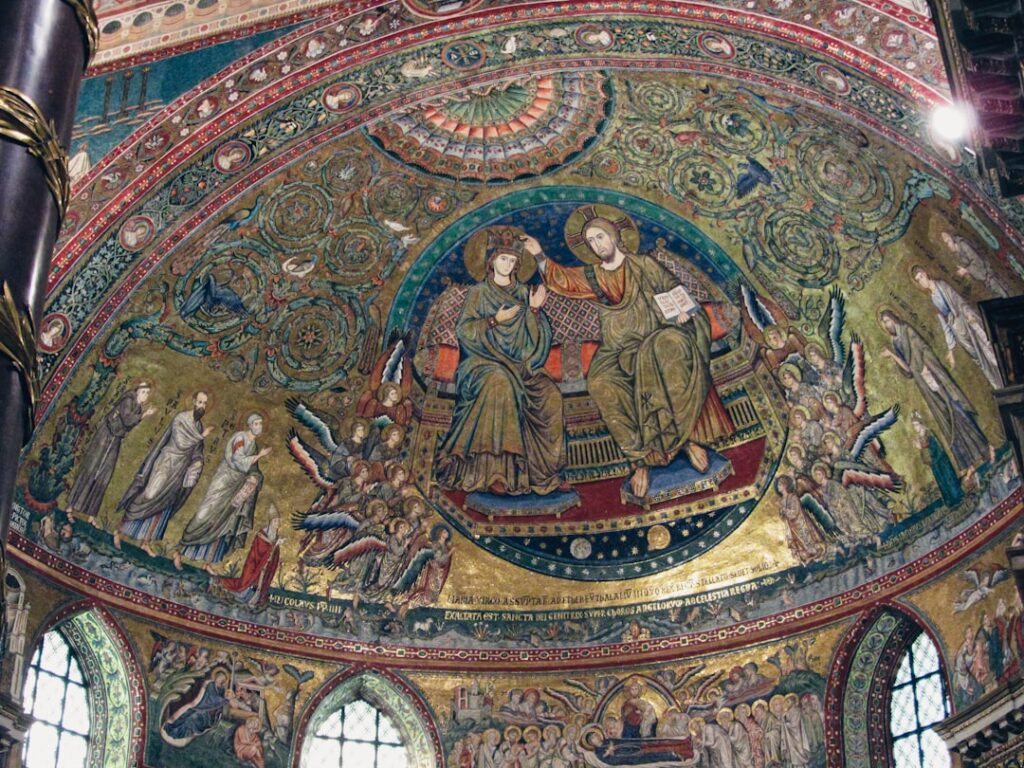
The Baptistery of Ravenna is far more than a single monument: it’s a liturgical space where mosaic becomes language and theology. Standing beneath the dome’s baptism scene, the modern visitor faces a visual narrative that condenses belief, religious politics and the technical mastery of 5th–6th century artisans. The golden tesserae do not merely dazzle; they organize a liturgy of light that, centuries later, still speaks to the eyes and the mind.
Planning your visit carefully — noting the address (Piazza Duomo 1, 48121 Ravenna RA), checking opening hours (generally 9:00–19:00 in high season with reduced winter hours), and budgeting for the ticket (around €6.50 for single entry, combined tickets available) — will help you make the most of the experience. The practical tips here — best time slots for light, camera advice for photographing the dome, and a route to San Vitale and the Mausoleum of Galla Placidia — aim to make your visit richer and more relaxed.
Finally, taking the time to listen to a guide or use an audio-guide deepens the reading of the images: symbols, gestures, color choices and successive restoration layers gain meaning. Ravenna is compact yet prodigious; in an afternoon, a visitor can cross centuries by stopping in these sanctuaries where Byzantine art found an exceptional home in Italy. The Baptistery of Ravenna remains an essential stop for anyone wanting to see how art can narrate the origins of a faith and turn it into lasting light.