





Introduction: The Mosaic Wonder at Ravenna’s Heart
Ravenna, a modestly charming town in Emilia-Romagna, is often called Europe’s capital of Byzantine mosaics. Among its treasures, the Orthodox Baptistery — more precisely the Battistero Neoniano, commonly known as the Orthodox Baptistery — and the Catholic baptistery spaces (the Battistero degli Ariani and nearby Catholic liturgical areas) draw countless visitors, historians and pilgrims. These buildings aren’t just isolated chapels: they represent the crossroads of art, theology, politics and craft at the end of Antiquity. Through glass and gold they tell the layered story of the Byzantine world and Ravenna’s Christian communities.
Step inside the Orthodox Baptistery and the phrase “mosaic” takes on a physical presence: every surface seems to hum, reflect and converse with light. The sacred scenes — saints in low relief, biblical figures and above all Christ in majesty — are executed with a precision and emotional depth that reach across centuries. The Catholic baptistery offers a historical and stylistic counterpoint, recalling old theological splits like Arianism and showing a different artistic trajectory. Interest in these two baptisteries goes well beyond pure aesthetics: it extends to understanding baptismal rites, liturgical archaeology, conservation techniques and Ravenna’s role in the Mediterranean geopolitics of the 5th and 6th centuries.
In this article we’ll explore why these two baptisteries still fascinate today: their histories, architecture, standout mosaics, liturgical and social roles, and practical tips for an immersive visit. You’ll find precise addresses, opening times, approximate prices in euros and local recommendations to make the most of your time in Ravenna. Whether you’re passionate about Byzantine art, a curious traveler or a guide planning a route, you’ll get concrete, sensory-rich details to understand and feel Ravenna’s mosaic soul.
Finally, it’s important to stress that the fascination with these places isn’t only about the beauty of their decoration: it’s about their ability to tell a complex human story — the story of beliefs, religious disputes, imperial and local powers, and the anonymous craftsmen who set stone after stone, tessera after tessera, to fix a vision of the divine. It’s this blend of art, history and humanity that makes the Orthodox Baptistery and Ravenna’s Catholic baptismal sites must-see stops on any trip to northern Italy.
History and context: how Ravenna became a showcase for baptisteries
Ravenna occupies a unique place in the late Roman Empire and the early Middle Ages. Made capital of the Western Empire from 402 and later the seat of the Byzantine exarchate, Ravenna amassed an exceptional Christian heritage between the 5th and 6th centuries. Its baptisteries became laboratories for stylistic and theological experimentation: they operate as microcosms where you can read the clashes between doctrines (Nicene vs Arian), political regimes and Byzantine artistic lineage.
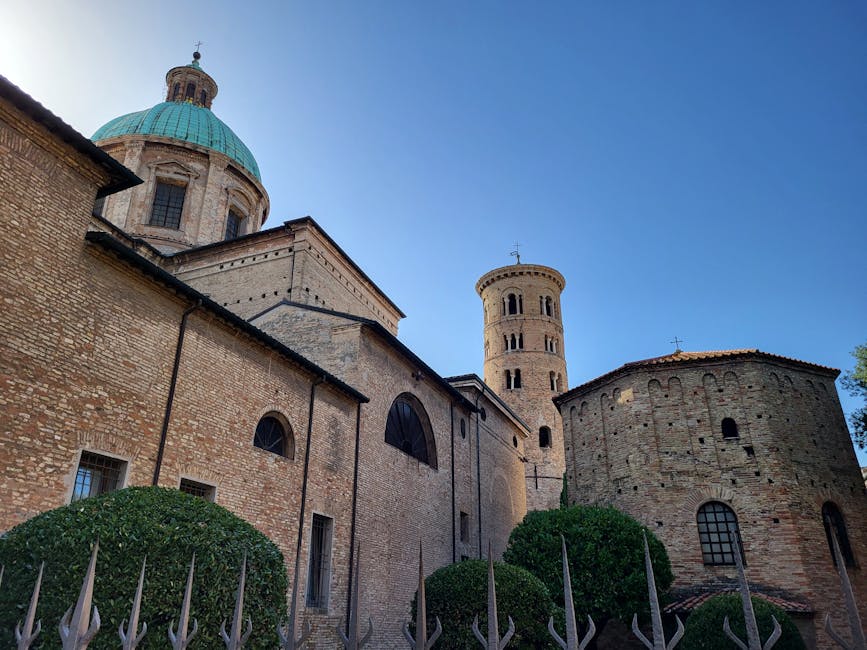
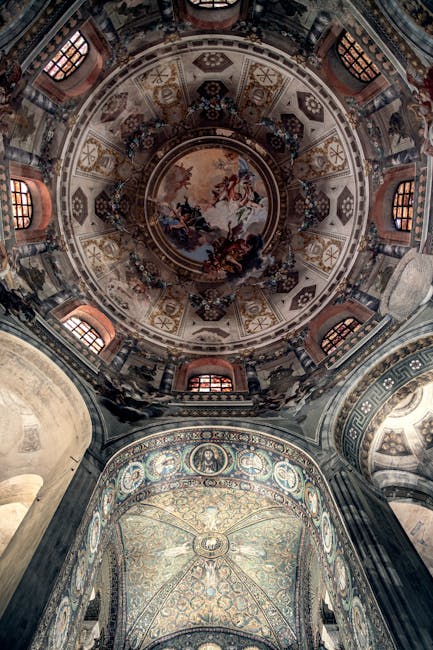
The Battistero Neoniano, or Orthodox Baptistery, is traditionally attributed to Bishop Neon and dated to the late 5th century. It sits in the historic center, a short walk from the Cattedrale di Ravenna and the Mausoleo di Galla Placidia. Its star-studded dome, dominated by the image of the Christ child surrounded by angels, is a masterpiece of visual storytelling: it frames the sacrament of baptism in a cosmic narrative of salvation. By contrast, the Battistero degli Ariani (often called the Baptistery of the Arians or translated as the Catholic baptistery depending on the era and text) reflects the turbulent history of Arian Christianity, at times backed by the Ostrogothic king Theodoric the Great.
Both baptisteries bear marks of cultural exchange between East and West. The tesserae — bits of colored glass and stone — used in the mosaics sometimes came from eastern workshops, and the iconographic patterns draw directly from Byzantine models. Beyond aesthetics, these baptisteries reveal ritual practices: the octagonal plan used in several of them follows a symbolic scheme (the number eight evoking resurrection and a new order), while full immersion and the theatricality of the rite were designed to produce an intense spiritual transformation.
The survival of these monuments to the present day is far from accidental. Their integration into the urban fabric, liturgical value and social prestige encouraged ongoing care and, in more recent times, restoration campaigns. Today’s visitors don’t just see works of art but living places maintained by conservators, guides and local communities invested in their heritage. These contemporary actors also explain the attention to opening hours, entrance fees and conservation rules that allow Ravenna to offer an experience that is both emotionally powerful and scientifically informed.
The Battistero Neoniano (Orthodox Baptistery): address, details and immersion
Official name: Battistero Neoniano (Baptistero degli Ortodossi)
Address: Piazza Duomo, 2, 48121 Ravenna RA, Italy
Approximate price: Individual entry around €3.00 (reduced rates and combined UNESCO monument tickets available; check at the ticket office).
Opening hours (indicative): April–September 09:00–19:00; October–March 09:00–17:30 (weekly closures vary, generally Monday mornings or certain public holidays; confirm locally).
The Battistero Neoniano is striking for its octagonal plan, central dome and especially for the iconic mosaic at its center: the Christ child surrounded by angels, holding a book and bestowing a blessing, housed within a celestial mandorla. Gold and blue glass tesserae create an ineffable sense of depth, particularly when natural light filters into the small structure. The relative dimness of the nave focuses the eye on the dome, giving the sensation of a tiny heavenly vault suspended above the celebrant.
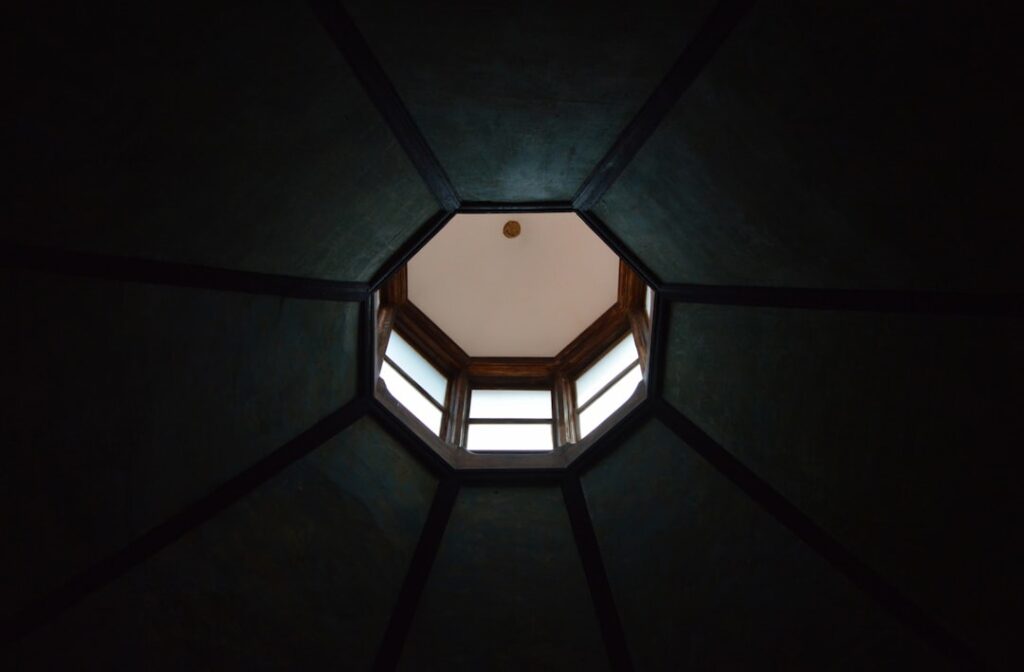
Access to the baptistery is usually from the cathedral square, which makes it easy to combine the visit with the Cattedrale di Ravenna (Piazza Duomo, 2) and the Mausoleo di Galla Placidia (Via Argentario, 22). Inside, keep quiet and take time to absorb the iconographic details: baptism scenes, aquatic symbols and Latin inscriptions. Conservators have ensured lighting that respects the mosaics; flash photography is strictly prohibited.
On-site tips: arrive early to avoid tour groups; wear sturdy shoes since the floor can be damp from condensation; respect barriers and don’t touch the mosaics. You can often buy a combined ticket covering several Ravenna monuments (Basilica di San Vitale, Mausoleo di Galla Placidia, Battistero Neoniano, Battistero degli Ariani), which is economical if you plan to visit multiple sites. Audio guides and local guides provide valuable interpretive keys — ask at the ticket office if French-language materials are available.
The Catholic Baptistery and Battistero degli Ariani: contrasts and complements
Official name: Battistero degli Ariani (often translated as Baptistery of the Arians or the Catholic Baptistery depending on historical context)
Address: Via di Roma, 23, 48121 Ravenna RA, Italy (near the Basilica di San Vitale)
Approximate price: Individual entry around €3.00 (combined rates available with other monuments).
Opening hours (indicative): April–September 09:00–19:00; October–March 09:00–17:30 (hours may vary seasonally).
The Battistero degli Ariani is another of Ravenna’s small masterpieces. Its dome mosaic depicts the baptism of Christ by John the Baptist, surrounded by figures and angels, but the iconographic interpretation subtly differs from that of the Battistero Neoniano. Arianism, doctrinally distinct from Nicene Catholicism, left its imprint on iconography and liturgical practice, providing evidence of deep religious debates. The real appeal of this baptistery comes from comparing how two Christian communities in Ravenna visually expressed the same sacrament.
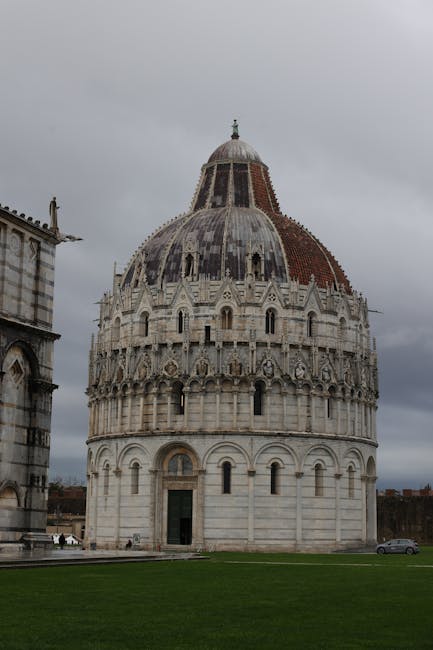
The exterior is more restrained than the grand basilicas, but the interior compensates with rich colors and delicate expressions. The tesserae techniques, color palette and figure arrangement show artistic dialogue with Constantinople while retaining local flourishes. Details to note include the drapery of the figures, early attempts at perspective and the use of gold backgrounds to signal the divine.
Practical tips: the Battistero degli Ariani is often less crowded than its more famous neighbors, making it a great spot for photography (without flash) and for visitors seeking a more intimate experience. Tickets can usually be purchased at the central monument ticket office; ask about student and senior discounts. Another tip: visit in the late afternoon when low-angle light casts warm reflections across the mosaics.
Practical visit info, conservation and tips for a memorable experience
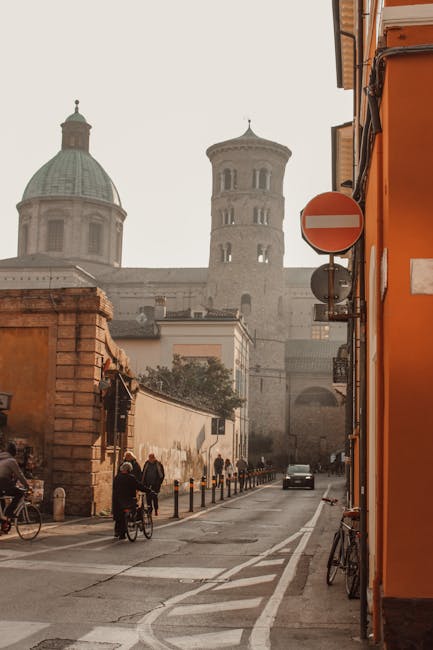
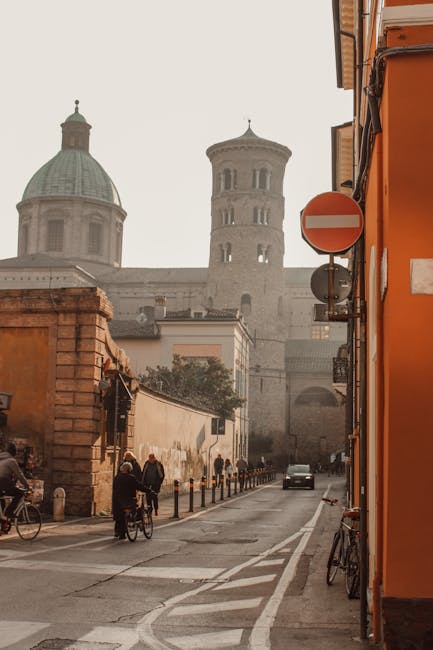
Planning the visit: Ravenna is best explored on foot. The main ancient and Byzantine sites are clustered in the historic center. For the baptisteries, start from the Piazza del Popolo or the Piazza Duomo and follow the signs for “Monumenti Paleocristiani.” Tourist offices (IAT Ravenna – Informazione Accoglienza Turistica) at Piazza del Popolo, 1, 48121 Ravenna RA provide maps, flyers and combined tickets.
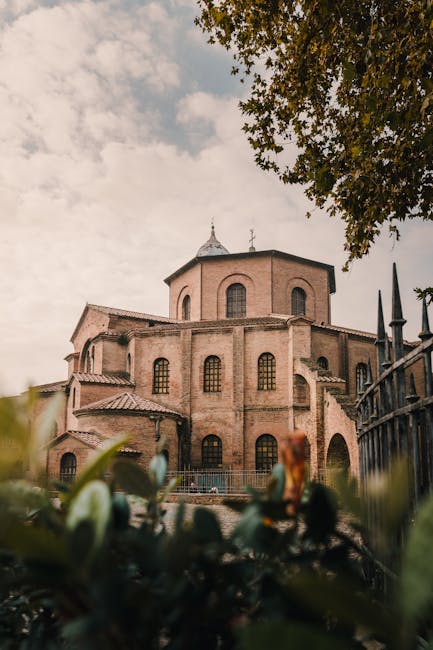
Tickets and prices: prices vary by season and special exhibitions. Generally expect to pay between €3.00 and €13.00 depending on whether you buy a single ticket or a combined pass for multiple UNESCO monuments (Basilica di San Vitale, Mausoleo di Galla Placidia, Battistero Neoniano, Battistero degli Ariani, Basilica di Sant’Apollinare Nuovo). Families and young visitors may be eligible for discounts; keep your paper tickets as they often act as receipts for re-entry to certain sites.
Opening times and best season: high season (May–September) offers longer opening hours and frequent guided tours, but sites are busier. Low season (November–February) is ideal for a quieter experience, though some sites may have temporary closures or reduced hours. Always check official Ravenna city sources or the ticket office for current times.
Conservation and respect: mosaics are vulnerable to humidity, light and physical contact. Follow the rules: no flash, no touching and avoid bulky items. Recent restorations have used modern technologies to stabilize tesserae; information panels often describe these interventions. If you’re a professional photographer, request permission in advance.
Accessibility and services: sites are generally accessible but some areas have steps or uneven floors. Check accessibility options for wheelchairs; some monuments provide ramps or staff assistance. Public toilets and cafés are located on streets near the main sites. For a typical meal after your visit, try a local trattoria for Ravennan specialties like stuffed piadine or Adriatic fish dishes.

Beyond the mosaics: complementary experiences and recommended routes
The baptisteries are best appreciated within a broader cultural route. After the Battistero Neoniano and the Battistero degli Ariani, head to the Basilica di San Vitale (Piazza San Vitale, 1, 48121 Ravenna RA; approximate price €10–12) to see Byzantine art at its peak, then to the Mausoleo di Galla Placidia (Via Argentario, 22; entry often combined) for a starry dome that rivals the Neoniano. The Basilica di Sant’Apollinare Nuovo (Via di Roma, 52) completes the route with a narrative frieze spanning centuries.
Suggested half-day itinerary: start at the Battistero Neoniano in the morning (09:00), walk to the Cathedral and the Mausoleo di Galla Placidia, then proceed to the Basilica di San Vitale for lunch nearby. Reserve the afternoon for the Battistero degli Ariani and the Basilica di Sant’Apollinare Nuovo. This route helps you grasp the iconographic and historical dialogues between the monuments.
Immersive experiences: look for themed guided tours (mosaics, ancient baptismal rites, conservation). Some local agencies offer hands-on workshops where you can learn tesserae techniques — ideal for families and craft lovers. If possible, attend a mass or ceremony in a historic church to experience the acoustics and liturgical use of these spaces.
Logistics and staying overnight: Ravenna is served by trains (Ravenna station, Piazza Luigi Caldini) with connections from Bologna and Rimini. Local buses run to the Adriatic beaches if you want to combine heritage with relaxation. For accommodation, choose a hotel or B&B in the historic center (around Piazza del Popolo) for ideal pedestrian access to the monuments.
Conclusion: Why you’ll keep coming back to Ravenna
The appeal of the Orthodox Baptistery and Ravenna’s Catholic baptisteries isn’t a fad: it’s a lasting phenomenon rooted in the intimate and communal power of sacred imagery. These places offer a unique encounter of light, color and theological narrative. The mosaics are far more than decoration — they’re visual texts, catechisms in stone and glass that teach, console and invite contemplation.
Visiting the Battistero Neoniano, the Battistero degli Ariani and the neighboring monuments plunges you into a pivotal era of Western history: a time when the Mediterranean was a vibrant exchange zone for art and religion. In Ravenna, every motif, hue and figure tells many stories — about patrons, workshop traditions and ritual uses. Ongoing conservation and museographic interventions let us experience these spaces close to their original intent while ensuring they survive for future generations.
Practically speaking, Ravenna is accessible, well organized and perfect for wandering: between sites, take time for a break in a trattoria to sample local piadina, chat with a guide to decode a mosaic detail, or return at sunset for unforgettable golden reflections. The baptisteries aren’t frozen monuments; they’re anchors for intellectual and sensory exploration. They invite return visits, comparison and deeper study.
In short, Ravenna’s Orthodox and Catholic baptisteries fascinate because they condense the grand story of Christian art into compact spaces, offer intense aesthetic experiences and demonstrate humanity’s power to shape the sacred through beauty. For the curious traveler, Ravenna is more than a stopover: it’s a destination that changes the way you look and deepens your understanding of the Mediterranean world. Allow time, walk slowly, let your eyes adjust to the tesserae and let the mosaic tell you its luminous tale.