





Introduction
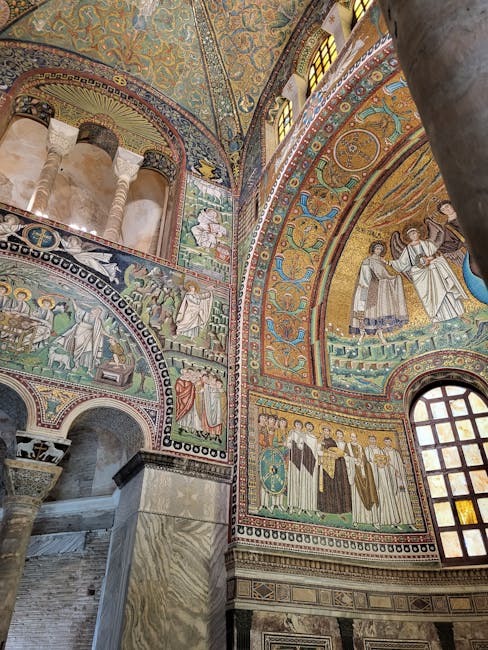
Ravenna is a living museum where every alley seems to whisper a Byzantine tale. Among its treasures, the two baptisteries — the Battistero Neoniano (often called the Baptistery of the Orthodox or Orthodox Baptistery) and the Battistero degli Ariani (Arian Baptistery) — rank among the most moving and revealing for anyone interested in sacred art, mosaics and the religious complexities of the 5th and 6th centuries. These compact, densely decorated spaces offer a sensory plunge into a world where light, color and theological symbolism come together to form an exceptionally rich visual language.
Visiting the Battistero Neoniano and the Battistero degli Ariani in Ravenna means confronting living evidence of the transition from the late Roman Empire to the Byzantine era in Italy. The mosaics that cover the domes, the baptismal scenes and the apostolic figures are clues to an intellectual, political and liturgical heritage. Beyond aesthetic appreciation, the cultural route I propose here aims to place these buildings within their urban and religious context: their locations relative to nearby basilicas, their roles in Christian initiation rites, and the stylistic differences that reveal distinct theological affiliations.
This guide is both practical and narrative. It provides precise information — full site names, exact addresses, prices in euros, opening hours — and offers concrete tips to get the most out of your visit: which angles to photograph, which mosaic details to examine with a visual microscope, how to allocate time between neighboring monuments like the Basilica di San Vitale or the Mausoleo di Galla Placidia, and how to behave to respect these places of worship while enjoying their beauty. I’ll also share logistical tips to avoid peak times, interpret the on-site information panels and choose the lighting that best showcases the golden tesserae.
Finally, this cultural route doesn’t stop at the baptisteries. It suggests complementary walks, café recommendations and a taste of local snacks to turn the visit into a full or half day that’s rich and smooth. Whether you’re a history buff, photographer, art history student or simply a curious traveler, you’ll leave Ravenna with a clearer understanding of the foundational role these buildings played in shaping enduring Christian iconography. Lace up your walking shoes, bring a paper guide or map app, and open your eyes wide: the mosaics are waiting.
 Click here to buy your tickets for the UNESCO-listed mosaics
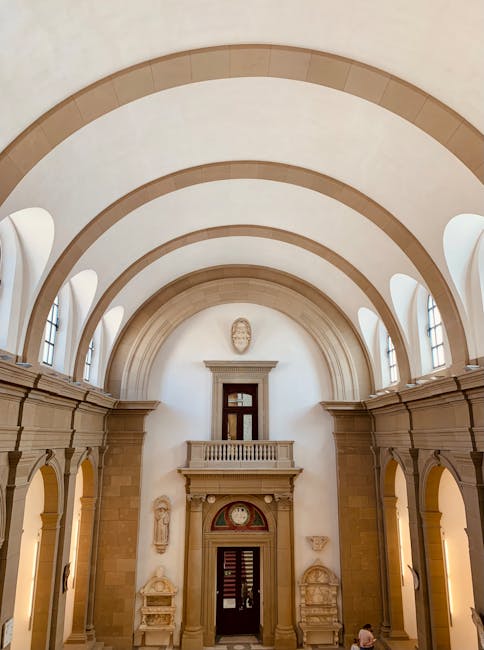
Battistero Neoniano (Orthodox Baptistery) — practical details and immersion
Full name: Battistero Neoniano (also called Battistero degli Ortodossi / Baptistery of the Orthodox)
Address: Piazza Duomo, 6, 48121 Ravenna RA, Italy
Indicative entrance fee: €3.50 (single entry) — reduced rates often available for students and seniors; combined « Monumenti di Ravenna » ticket around €9.50 giving access to several UNESCO sites (check official prices at the ticket office)
Typical opening hours: usually 09:00–19:00 in high season (April–October), 09:00–17:00 in low season (November–March). Closed on some public holidays; check the official site or Ravenna tourism office to confirm.
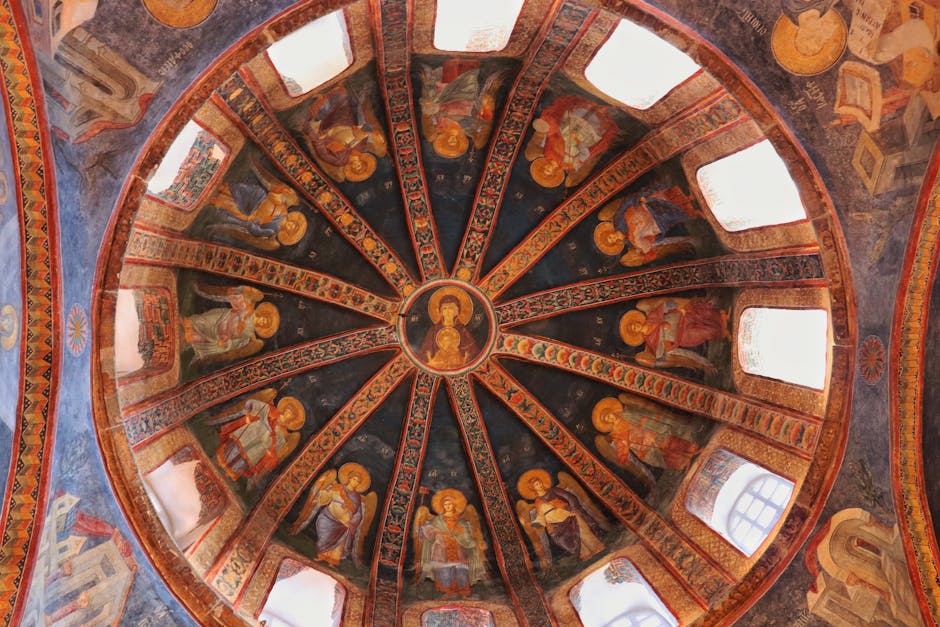
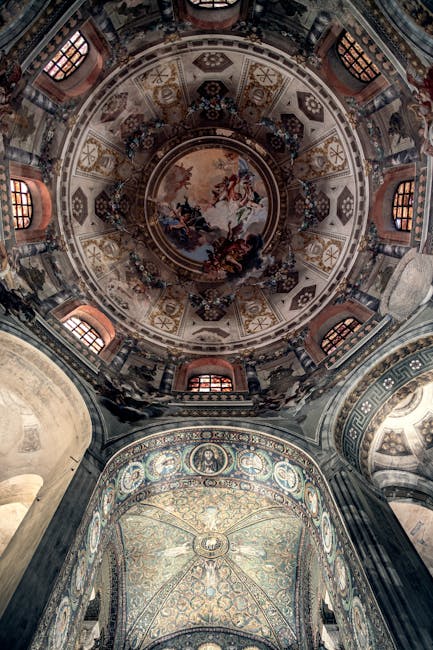
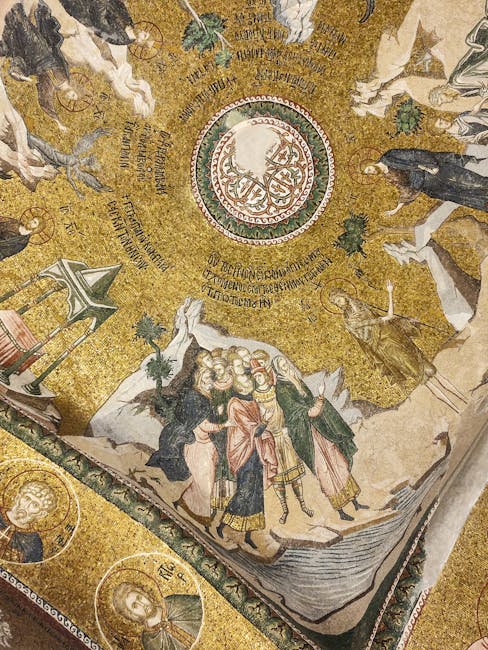
The Battistero Neoniano is famed for its dome completely covered in mosaics, centered on a large depiction of Christ’s baptism by John the Baptist, surrounded by river scenes and angelic figures. The dome above the baptismal basin creates a distinctive acoustic: in the hush a whisper seems to echo and the mosaic almost appears to « speak. » The atmosphere is intimate and almost ceremonial — remember you are in a space once used for initiating catechumens.
Practical tips for the visit: arrive early in the morning (or late in the day) to avoid crowds and to catch the low light that flatters the golden tesserae. For photography, avoid flash (often prohibited): favor a slow shutter speed and a compact travel tripod if the site’s rules allow it. Start by taking in the central scene, then step back toward the walls to read the narrative cycles and spot Latin or Greek inscriptions. Look for small traces of restoration — they tell the story of ongoing heritage care.
Historical background: the baptistery dates to the late 5th century and reflects orthodox liturgy (a name assigned later by historians). The presence of eastern elements in the stylization of figures — elongated faces, expressive eyes, golden backgrounds — testifies to cultural exchanges between Ravenna and Constantinople. Attentive visitors will also notice later alterations from successive restorations, evidence of the building’s long life.
Click here to book a visit to Ravenna’s mosaics
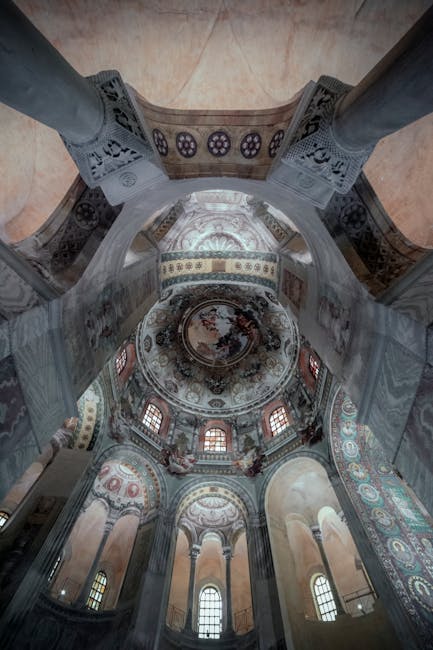
Battistero degli Ariani (Arian Baptistery) — history, art and symbolism
Full name: Battistero degli Ariani (Arian Baptistery)
Address: Via degli Ariani, 2, 48121 Ravenna RA, Italy (located near the Basilica di Sant’Apollinare Nuovo)
Indicative entrance fee: €3.50 (single entry) — sometimes included in combined monument passes; reduced rates available
Typical opening hours: 09:00–18:00 in high season; reduced hours off-season. Check Musei di Ravenna for exact times.
The Battistero degli Ariani offers a fascinating contrast with the Battistero Neoniano. Built for the Arian community (an early Christian branch with a different Christology), it also features a mosaic-decorated dome showing Christ’s baptism but with distinctive iconographic and stylistic choices. The figures sometimes appear more naturalistic, and the spatial composition differs in the arrangement of figures and vegetal motifs.
Visually, the Arian baptistery’s dome charms with its concentric registers: at the center, Christ descending into the Jordan, surrounded by angels and processional scenes of catechumens. The borders display zoomorphic and decorative motifs reminiscent of early Christian art. The colors — deep blues, golds and greens — retain remarkable intensity despite the centuries.
Practical tips: the Battistero degli Ariani is less visited than some of Ravenna’s major sites, allowing for a quieter observation. Take time to study the mosaic edges — including small figures offering palms or phials — which hint at ritual practices. For photographers, the north side of the dome catches soft late-afternoon light.
Religious and historical context: Arianism, spread in Italy during the age of the barbarian kingdoms, left a mark in Ravenna where Ostrogothic rulers sometimes supported the doctrine. The Arian baptistery illustrates the coexistence — sometimes conflictual — of different religious traditions and shows how sacred architecture can become an expression of confessional identity. The stylistic differences with the “orthodox” baptistery let us study how imported iconographic models were locally adapted.
Click here to book a guided walking tour of the main sites
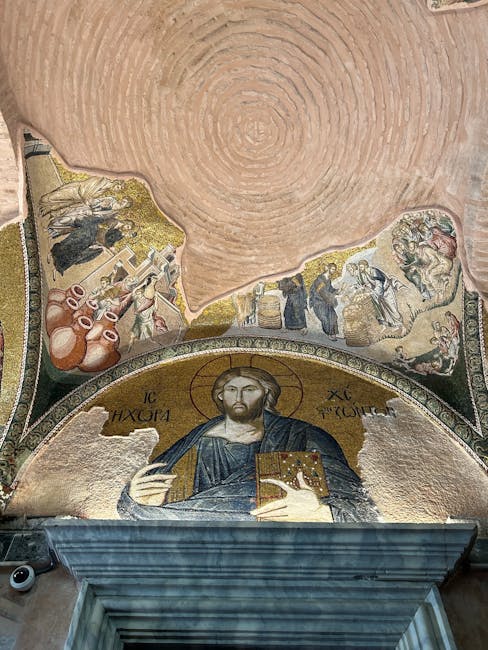
Recommended route between the two baptisteries and nearby monuments
An efficient route to take in the essentials starts at the Battistero Neoniano, continues to the Mausoleo di Galla Placidia and the Basilica di San Vitale, then crosses town to the Battistero degli Ariani and the Basilica di Sant’Apollinare Nuovo. This walking circuit can be done in a half-day if you limit time in each spot, but ideally it deserves a full day to fully soak in the experience.
Step 1 — Battistero Neoniano (Piazza Duomo, 6): 45–60 minutes. After entering, begin with the dome, then move down toward the central basin. Notice wear marks on the floor — evidence of generations of worshippers passing through. If you have a paper guide, look for the note on the iconography of rivers and saints.
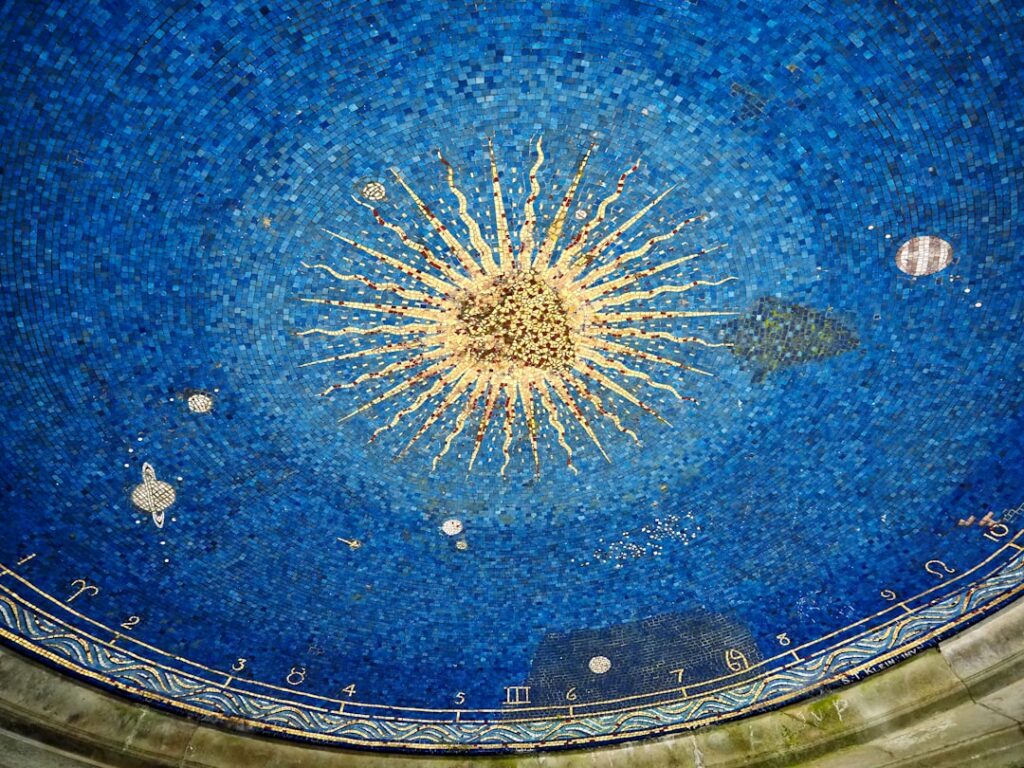
Step 2 — Mausoleo di Galla Placidia (Via San Vitale, 17): a 10-minute walk from the Neoniano baptistery. Indicative price: €2.00–€3.00; often open 08:30–19:00. The mausoleum is famous for its interior nearly entirely covered in starry blue mosaics; the chapel offers a nocturnal atmosphere, ideal for comparing mosaic density with the brightness of the baptistery.
Click here to buy a guided tour of the monuments and mosaics
Step 3 — Basilica di San Vitale (Piazza San Vitale, 1): 5 minutes from the mausoleum. Indicative price: €6.00; opening hours: 09:00–19:00. The basilica houses imperial Byzantine mosaics (Justinian and Theodora) and helps you grasp the iconographic hierarchy that organizes liturgical space — useful for understanding the baptistery’s role within the urban complex.
Step 4 — Head toward the Battistero degli Ariani (about 15–20 minutes on foot) through medieval streets and passing by the Basilica di Sant’Apollinare Nuovo (Via della Basilica, 9 — verify the exact address on site). Sant’Apollinare Nuovo is notable for its long narrative frieze of saints and processions, which complements the analysis of the mosaic cycles in the baptisteries.
Logistical tips: wear comfortable shoes (cobblestones and walking), carry a small water bottle and a printed guide or offline app (some monuments limit mobile reception). Buy combined tickets if you plan to visit several sites in one day: it saves time at ticket counters and often money. Finally, check with the ufficio turistico (Ravenna Tourist Office, Piazza Kennedy 3) for updated hours and any required reservations.
Observation, photography and heritage respect tips
Reading mosaics takes a bit of visual training. Tesserae — small cubes of glass, stone or gold — are arranged to catch and reflect light differently depending on their orientation. To « read » a mosaic, start with the overall composition (main figures, central register), then mentally zoom in on details (faces, folds of garments, gestures). Note inscriptions and symbols (fish, lambs, amphorae): they decode the visual narrative.
Photography: flash is generally prohibited. Use moderate ISO and slow shutter speeds; steady your camera against a support if a tripod isn’t allowed. For domes, a mid-range focal length (35–50mm) or a moderate wide-angle lens works well to convey curves and depth. Look for natural light: morning and late afternoon produce warm contrasts with the golden mosaics.
Respect and good practices: keep quiet and avoid loud groups — many visitors come for meditation and prayer. Do not touch the mosaics (tesserae are fragile), follow marked routes and respect barriers. If a site is hosting a religious service, adjust your visit or return at another time. Support local heritage by buying official tickets and donating if you wish.
Restoration and conservation: in some areas you’ll see panels explaining restoration work. These interventions aim to stabilize tesserae, restore colors and protect against moisture. Appreciate these efforts: they ensure these works survive for future generations. Conservators use fine techniques (micro-suction, support consolidation) and reversible materials — a sign of modern, respectful conservation.
Local practical information: transport, tickets, food and safety
Transport: Ravenna is best explored on foot. Most monuments in the historic center are concentrated between Piazza Duomo and Via di Roma. From the train station (Stazione di Ravenna, Piazzale Giuseppe Garibaldi, 48121), expect a 10–15 minute walk to the center. Urban buses (ACT Ravenna) serve the city if needed; buy tickets at kiosks or via an app.
Tickets and hours: buy tickets at monument ticket offices or online via the Musei di Ravenna network. Indicative prices (verify on site): Battistero Neoniano €3.50; Battistero degli Ariani €3.50; Mausoleo di Galla Placidia €2.00–€3.00; Basilica di San Vitale €6.00; combined « Monumenti di Ravenna » pass €9.50. Some sites offer student discounts (with ID) and family tickets.
Food and breaks: after the visit, stop at a nearby osteria or café. Suggestions: a cappuccino and a local focaccia for breakfast; for lunch, try a seafood plate (frutti di mare) with a glass of local Sangiovese. Practical spots: Pasticceria Franca (Via di Roma) for pastries, Trattoria al Cerchio (near Piazza Duomo) for regional dishes — check opening hours and reservations.
Safety and comfort: Ravenna is generally very safe. Keep an eye on personal belongings in tourist areas. Summers can be hot and sunny: wear a hat, sunscreen and stay hydrated. Off-season, bring a waterproof jacket — sudden showers are possible.
Click here to book a guided tour of the listed monuments and mosaics
Alternative route and cultural extensions around Ravenna
If you want to extend your discovery beyond the two baptisteries, several side trips deepen the understanding of Ravenna’s Byzantine and Gothic context. Consider visiting the Basilica di Sant’Apollinare in Classe (in Classe), about 8 km from the city — an iconic example of a Byzantine basilica set in the countryside. Address: Via Classense, 48125 Classe RA — prices and hours vary, plan transport (bus or bike).
Other sites to include: Dante’s Tomb (Tomba di Dante, Piazza del Popolo, 48121) for literature lovers, and the Museo Nazionale di Ravenna (Corso d’Augusto, 162) which houses archaeological artifacts and explanatory panels useful for situating the mosaics in historical chronology. For fans of military architecture, the monumental complex of the Byzantine Walls offers insight into ancient fortifications.
Gastronomic and artisan extensions: wander the local market (Via Mazzini / Via di Roma) to discover regional products — cheeses, cured meats, artisanal jams — and to buy small-scale mosaic reproductions made by local workshops. These souvenirs support the local economy and give you a tangible keepsake of your trip.
Click here to take a day trip to Ferrara and Comacchio
Plan according to your interests: sacred art lover? Allow extra time inside monuments. Photographer? Schedule two sessions (morning and late afternoon) to capture different light. Traveling with family? Turn the visit into a scavenger hunt for kids (find lambs, fish, amphorae in the mosaics).
Conclusion
The pair formed by the Battistero Neoniano and the Battistero degli Ariani is an ideal gateway to understanding Ravenna’s cultural and spiritual richness. These two buildings, modest in size compared with large basilicas, are dense with meaning: each tessera tells a story of faith, power and craftsmanship. The iconographic differences between the two baptisteries let you appreciate the diversity of Christian expression of the time and how Ravenna — a political and cultural crossroads — was able to absorb and reshape these influences.
On a practical level, a well-prepared visit — combined tickets, an itinerary including the Mausoleo di Galla Placidia and Basilica di San Vitale, and choosing times for light and quiet — will turn a simple stroll into a memorable experience. The details in this guide (addresses, indicative prices, usual opening hours) will help you plan your day, but remember to check official updates before you leave: hours and fees can change with the season and restoration work.
Beyond scholarship, visiting these sites is a sensory act: the warmth of gold in the mosaics, the reverberation of a voice in a dome, the feeling of walking on stones trodden by thousands across centuries. Respect this heritage by following site rules, supporting local institutions and leaving a minimal footprint on these fragile works. Take back images, notes and, above all, the memory of a city that has preserved a crucial chapter of Mediterranean history.
Whether you return several times or devote a single day to this route, Ravenna and its baptisteries will always offer new nuances to discover: a tessera you missed before, an iconographic detail suddenly understood, or the undiminished emotion of facing a mosaic face. Take your time, walk slowly, let the images sink in — and then share this cultural treasure with other curious travelers.