





Introduction — Ravenna Mosaic Biennale: a meeting of innovation and artisan know‑how
Each edition of the Ravenna Mosaic Biennale reaffirms one truth: this Emilia‑Romagna city is Europe’s capital of tessera art. More than a fair, the Biennale is a living lab where old masters, local workshops, international art schools and emerging creators converge to push the craft of stone, glass and smalto fragments toward new aesthetic and technological frontiers. In Ravenna, mosaics aren’t just heritage relics; they’re an evolving language and a field of experimentation where Byzantine legacy meets contemporary materials and digital tools.
This general guide offers a practical, in‑depth immersion to help you make the most of the Ravenna Mosaic Biennale: how to navigate the exhibition sites, which works and workshops are must‑sees, where to catch demonstrations and masterclasses, the practical details (addresses, opening hours, ticket prices), and local tips to extend the experience on site. Whether you’re an enthusiastic visitor, a heritage professional or simply curious, the information here aims to make the Biennale accessible and memorable.
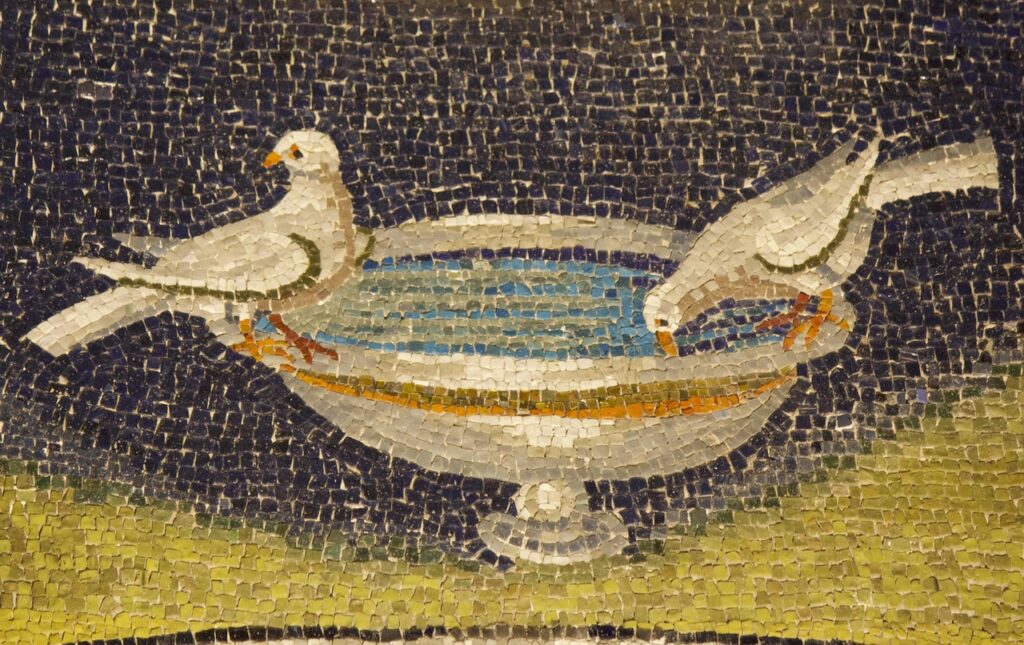
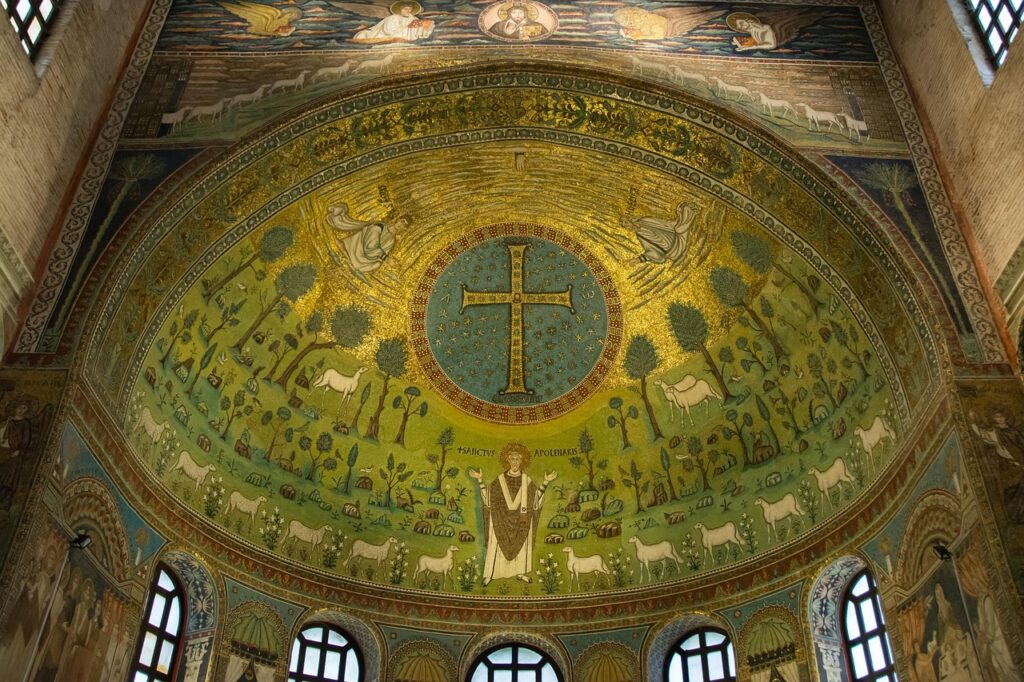
The Biennale usually takes place across several of the city’s iconic venues — museums, monumental churches and contemporary art spaces — and often includes outdoor routes, performances and site‑specific installations. Ravenna, home to UNESCO‑listed basilicas, provides a unique setting: 6th–7th century Byzantine mosaics face off with contemporary tessera experiments. You’ll see the finesse of traditional techniques alongside innovative uses of new materials (resins, metals, LEDs) and the application of digital tools for design and prefabrication.
This text will give precise addresses for the main Biennale locations, notes on typical ticket prices and opening hours (always check each year for official updates), and immersive descriptions to prepare your visit: sunlight skimming golden surfaces, the chromatic tension between Byzantine glass and modern acrylic, the scent of workshop glue warming, and the atmosphere of Ravenna’s lanes leading to mosaic studios. You’ll also find practical local tips — best times to visit to avoid crowds, workshops to buy tesserae, and nearby dining options — so your stay in Ravenna is aesthetic, educational and comfortable.
1) Must‑see venues for the Biennale and practical information
The Biennale generally occupies several major Ravenna sites; some are permanent (basilicas, mausoleums), while others are temporary exhibition spaces adapted for the event. Below are the typical addresses, opening hours and ticket prices — note that rates and times can change with each edition, so always verify the latest info on the Biennale or individual museum websites before you go.
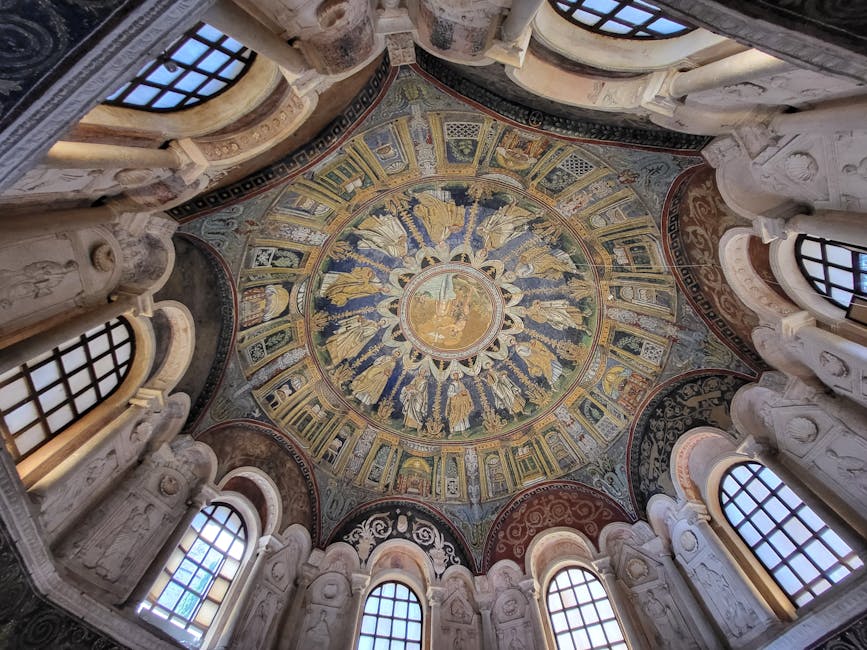
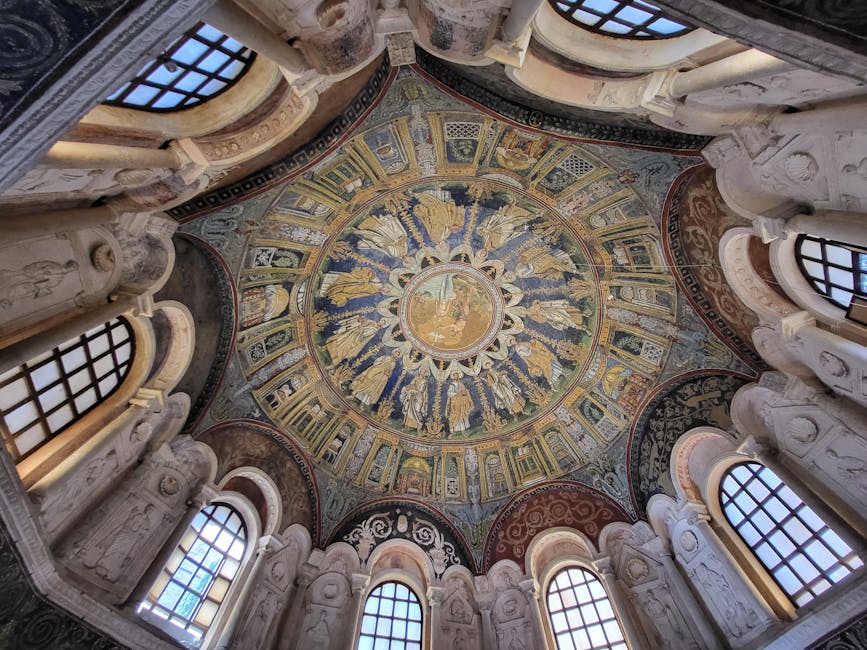
- Basilica di San Vitale — Piazza San Vitale, 5, 48121 Ravenna RA, Italy. Typical hours: 09:00–19:00 (last entry 18:30). Combined ticket (San Vitale + Mausoleo di Galla Placidia): around €12 adult, reduced €8. Description: a Byzantine masterpiece with domes and mosaicked panels; natural light highlights the golds and deep blues.
- Mausoleo di Galla Placidia — Piazza San Vitale, 5, 48121 Ravenna RA, Italy. Hours: 09:00–19:00 (sometimes closed for morning restorations). Ticket included in the combined pass. Description: an intimate space with a domed ceiling covered in a starry mosaic sky; a nearly sacred atmosphere that elevates the tesserae’s polychromy.
- Basilica di Sant’Apollinare Nuovo — Corso Augusto, 162, 48121 Ravenna RA, Italy. Hours: 09:00–18:00. Ticket: around €6–€8. Description: long narrative mosaic friezes, perfect for studying the rhythm and iconographic repetition that have inspired many contemporary artists.
- MAR – Museo d’Arte della Città di Ravenna — Via di Roma, 13 / Piazza San Francesco, 1, 48121 Ravenna RA, Italy. Hours: 10:00–19:00 (closed Mondays). Permanent exhibition and Biennale ticket: variable, often €8–€12. Description: contemporary spaces hosting Biennale temporary shows, modern installations and interactive displays.
- Museo Nazionale di Ravenna — Via Cavour, 14, 48121 Ravenna RA, Italy. Hours: 09:00–17:00. Ticket: about €6. Description: a collection of Byzantine and medieval objects, useful for understanding historical techniques often referenced by contemporary artists.
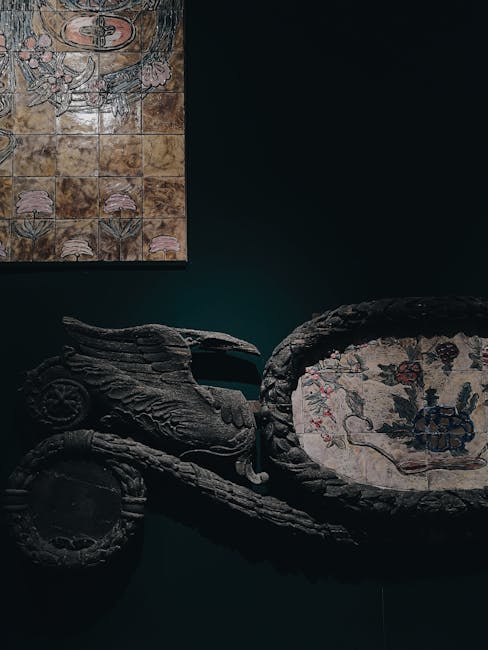
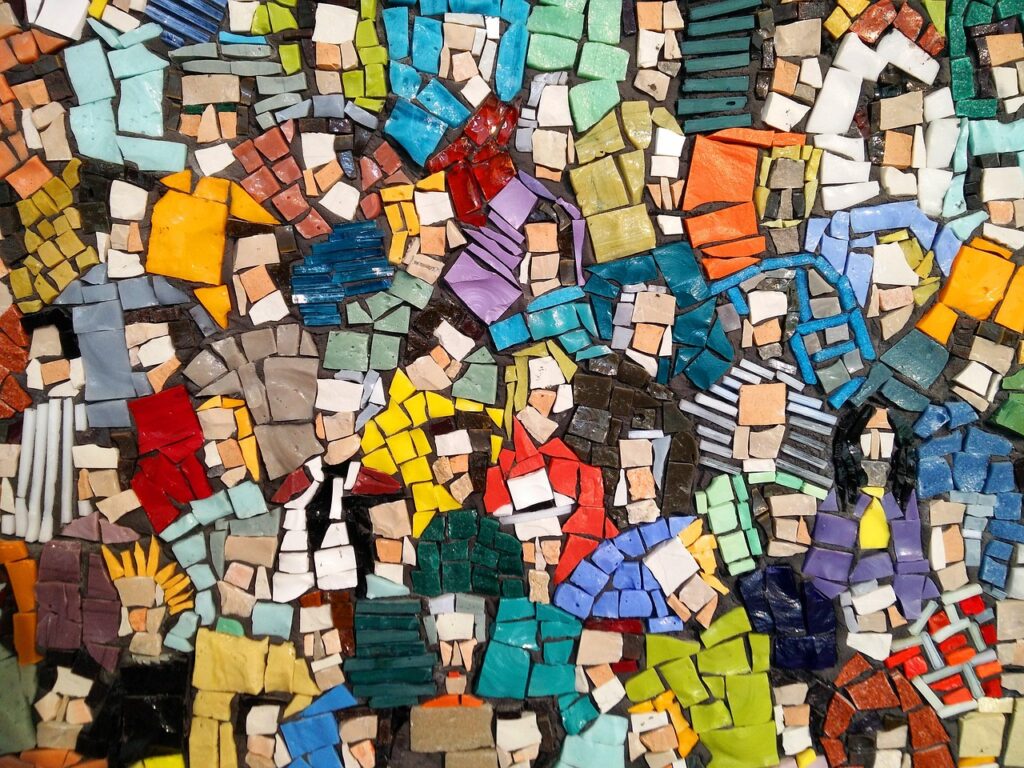
In addition, the Biennale often includes satellite exhibitions in artisan workshops and repurposed buildings (former convents, warehouses) scattered through the old town and the industrial port area of Classe. These venues host demonstrations, supplier booths and technical forums: hugely informative for professionals.
2) Programs, masterclasses and practical workshops: what to book
One of the Biennale’s strengths is its wide range of educational formats: lectures, technical roundtables, masterclasses led by renowned mosaicists, adult workshops and family sessions. Multidisciplinary masterclasses — blending traditional techniques (smalto, glass tesserae) and contemporary methods (resin, metal inlays, LEDs) — are usually ticketed and have limited capacity. Booking ahead is essential, especially for hands‑on sessions where space and materials are provided.
Indicative fees and arrangements:
- Full‑day masterclass (8 hours, materials included): €90–€150 per person.
- Introductory workshop (2–3 hours) for the general public: €25–€45.
- Professional workshops (3 days) with certification: €250–€500, often aimed at professionals or applied arts students.
Typical schedule: workshops run between 09:00 and 18:00 with breaks. Lectures and roundtables are usually scheduled mid‑morning or early evening so visitors can still see exhibitions during the day. Bookings are made online via the official Biennale site or directly with local organizers (MAR, city cultural offices).
Practical tips:
- If you plan to join a workshop, book at least 4–6 weeks in advance during high season (May–October).
- Check what materials are provided; some workshops require you to bring safety glasses or specific gloves.
- Wear closed shoes for long studio sessions and clothes you don’t mind getting stained.
- Professionals should contact organizers in advance if they need special materials (specific tesserae, digital tools).
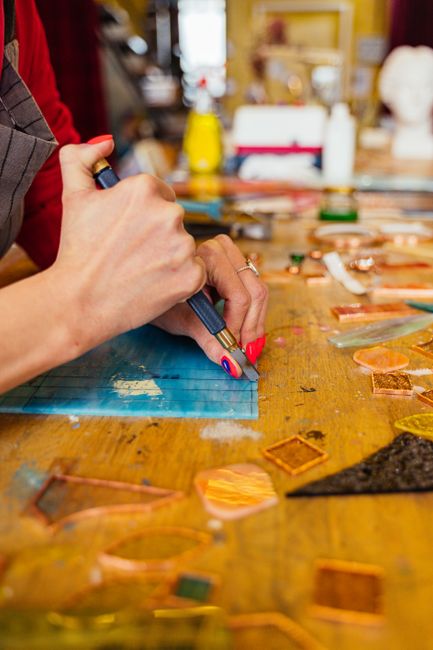
3) Suggested 2‑day itinerary: see, touch, understand
To get the most from the Biennale while exploring Ravenna, here’s a two‑day itinerary balancing historic sites and contemporary shows, with coffee breaks and dining suggestions. Distances in the historic center are short — everything is easily walkable.
Day 1 — Morning:
– Start at Basilica di San Vitale (Piazza San Vitale, 5) right at opening at 09:00 to enjoy the soft light on the mosaics. Combine with a visit to the Mausoleo di Galla Placidia (same square). Estimated time: 2–2.5 hours.
Day 1 — Midday:
– Lunch at a nearby trattoria: Trattoria “Al Galla Placidia” (example local name), in the central quarter. Lunch budget: €15–€25 per person for a main dish and a glass of wine.
Day 1 — Afternoon:
– Head to the MAR – Museo d’Arte della Città (Via di Roma / Piazza San Francesco) to see Biennale exhibitions. Time: 2–3 hours, possibly including a late‑afternoon talk. Fee: €8–€12.
Day 1 — Evening:
– Stroll along the canal and dine in the center: try the Romagna piadina, a local specialty (average cost €5–€8). Book ahead if you’re visiting on a weekend.
Day 2 — Morning:
– Visit Basilica di Sant’Apollinare Nuovo (Corso Augusto, 162) to study the narrative friezes. Then take a bus or taxi toward the Classe area if Biennale events there include industrial exhibitions or workshops (transport: local ATAF buses, single ticket about €1.50–€2).
Day 2 — Afternoon:
– Attend a masterclass or studio visit (book in advance). Finish with a stop at the Museo Nazionale di Ravenna (Via Cavour, 14) to round out the historical perspective.
Logistics tips:
– Buy a combined ticket for heritage sites when available: it’s economical and saves time in queues.
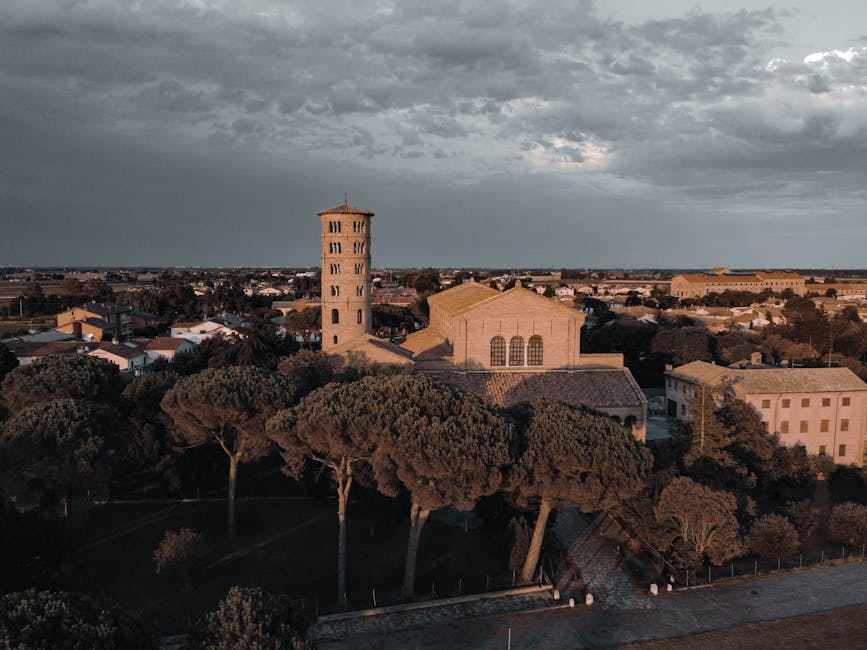
– Transport: Ravenna is compact; walking is often the best way to get around. For Classe (Basilica di Sant’Apollinare in Classe), allow 15–20 minutes by car or bus depending on traffic.
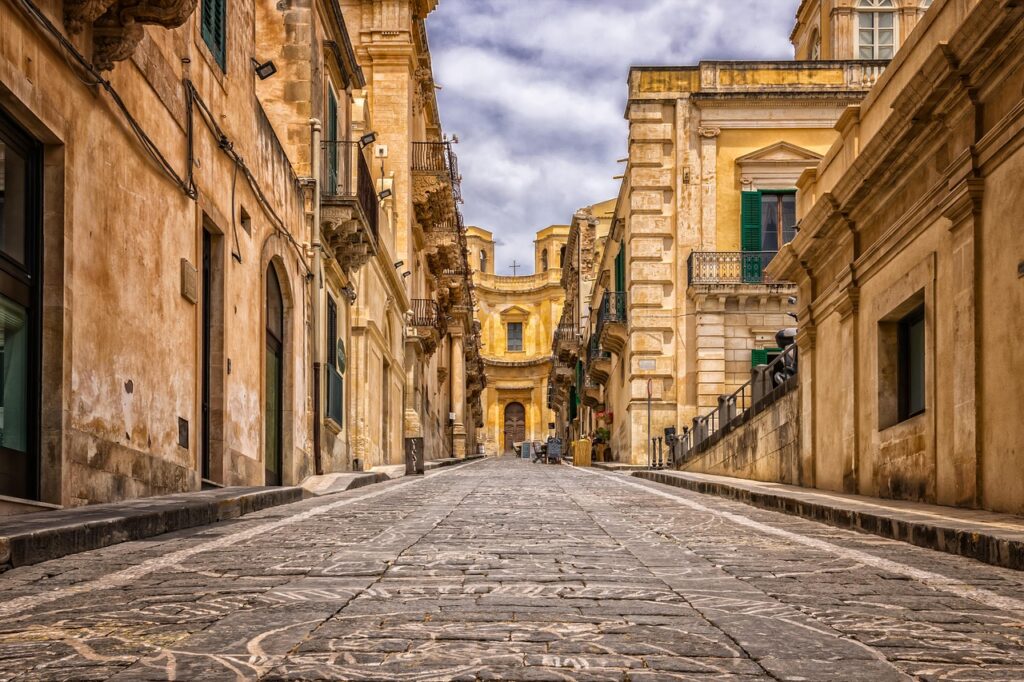
4) Material and technical innovations you can expect to see at the Biennale
The Biennale is an ideal observatory for technical innovations in mosaic art. Several recurring trends appear across exhibitions and workshops:
- Hybrid materials: combinations of antique glass (smalto) and modern resins, metal inclusions (copper, aluminum) and recycled objects. These mixtures create unprecedented depth and reflective effects.
- Digital mosaic: use of software for preparatory design, CNC cutting of supports and prefabricated tesserae produced in series. Some booths display 3D printers and laser cutters tailored to make custom tesserae.
- Lighting techniques: integration of LED systems and optical fibers into mosaic panels to create controlled light effects, particularly effective in contemporary installations.
- Sustainable conservation: new reversible adhesives and mortars, non‑invasive cleaning protocols and consolidation materials compatible with historic fabric.
You’ll often see live demonstrations of cutting and setting tesserae, samples of innovative grouts, and comparative studies on how new techniques age. For professionals, the Biennale is a valuable exchange point with suppliers (glass, adhesives, tools) who staff technical booths and provide product datasheets.
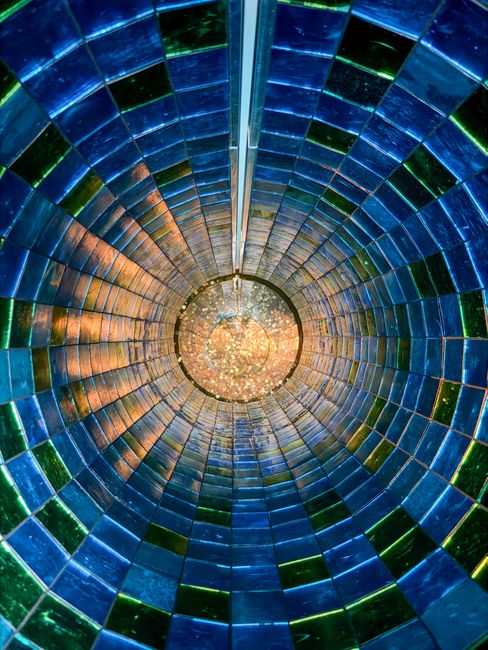
Tip: if your interest is technical, schedule B2B meetings or join the technical guided visits offered by the organizers; some sessions grant access to material datasheets and compliance certificates, useful for restoration projects or commissioned artworks.
5) Buying tesserae, souvenirs and local addresses
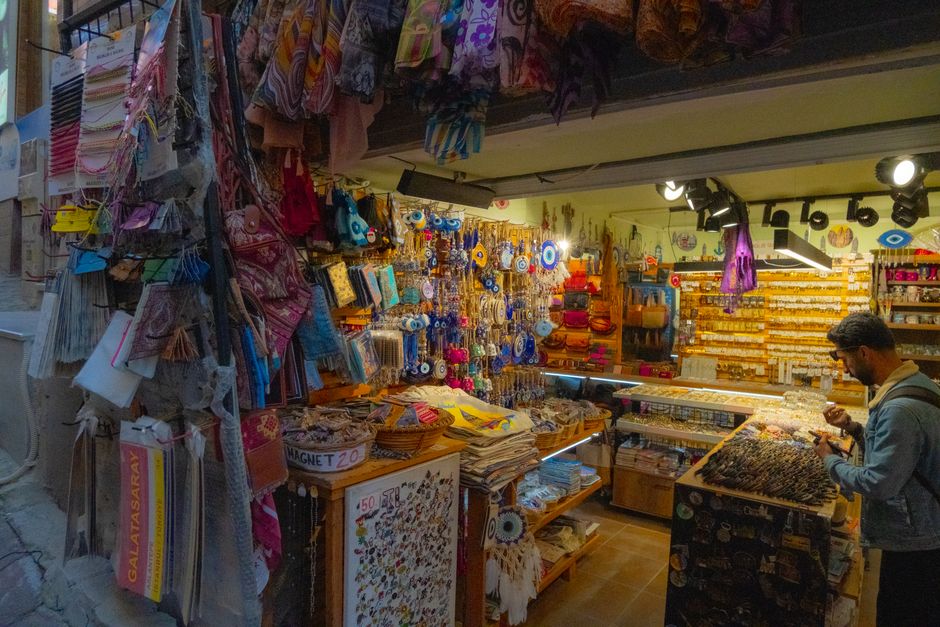
Ravenna is full of workshops and specialist shops where you can buy tesserae, tools and beginner kits. For serious purchases (authentic smalto tesserae, Venetian enamels), favor established workshops and ask about material provenance.
- Laboratorio del Mosaico di Ravenna (local workshop) — Via XX Settembre, 34, 48121 Ravenna RA. Products: glass and stone tesserae, small panels, beginner kits. Hours: 09:00–13:00 / 15:00–19:00 (closed Sundays). Price examples: bag of tesserae (100 g) €12–€25, beginner kit €30–€60.
- Botega delle Tessere — Via Alberoni, 7, 48121 Ravenna RA. Specialties: custom orders, pâte de verre tesserae, personalized restoration advice. Hours: 10:00–18:00, closed Mondays. Prices by quote for large orders.
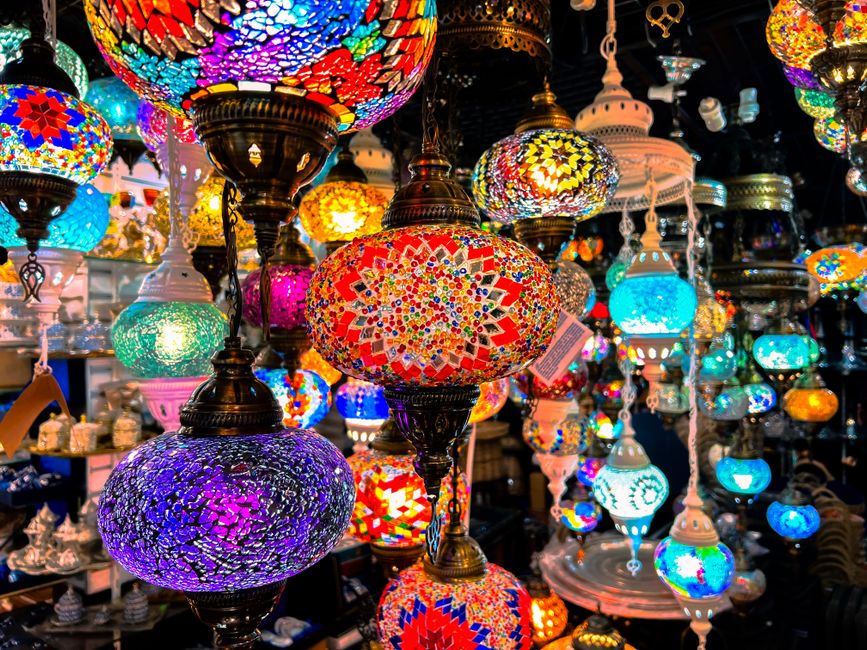
Buying tips: negotiate for larger quantities, ask for samples before wholesale purchases, and consider packaging for air travel (cardboard protectors, bubble wrap). If you bring back glass tesserae, check airline rules about sharp objects (pack them in checked luggage for safety).
Conclusion — Between memory and the avant‑garde: why the Ravenna Mosaic Biennale is a must‑experience
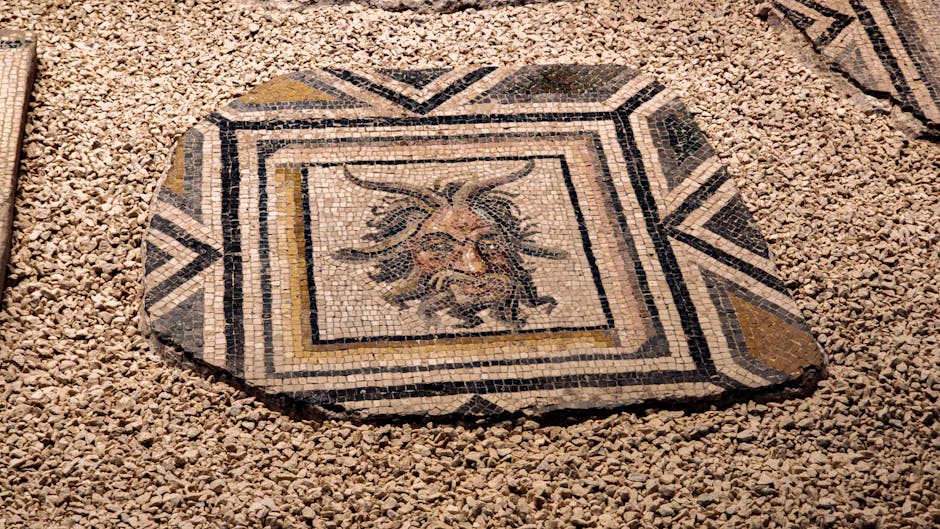
The Ravenna Mosaic Biennale is an experience that marries heritage admiration with the thrill of discovery. On site, the dialogue between centuries‑old Byzantine mosaics and contemporary works using new materials and devices creates a timeless conversation between know‑how and innovation. For visitors, this offers a dual reading: understand historical techniques (supports, mortar, tesserae) and observe how those same skills inspire or are transformed by contemporary research.
Practically, the Biennale requires some preparation: book workshops, plan targeted purchases if you want to bring tesserae home, and organize visits to make the most of the heritage sites (Basilica di San Vitale, Mausoleo di Galla Placidia, Sant’Apollinare Nuovo, MAR, Museo Nazionale di Ravenna). The prices listed here (combined tickets around €12, museums €6–€12, workshops from €25 up to €500) give a sense of the budget to expect, but annual programming can affect costs.
Finally, don’t overlook the sensory side of the visit: the texture of tesserae, the way light shifts across the day, the smell of a workshop, and conversations with local mosaicists. These elements make the Biennale more than an exhibition — it’s a living moment in which Ravenna reasserts its place as a global mosaic capital. To extend your stay, wander the historic lanes, taste Romagna cuisine (piadina, fresh seafood) and spend time in local workshops so you can leave with new skills or a one‑of‑a‑kind panel created during your visit.
Final tip: try to travel midweek if possible to avoid crowds, double‑check opening hours on official sites (MAR, Ravenna cultural offices) and, above all, give yourself time to simply look — mosaics are meant to be read slowly.