





Introduction: Ravenna around the corner — a secret walking route
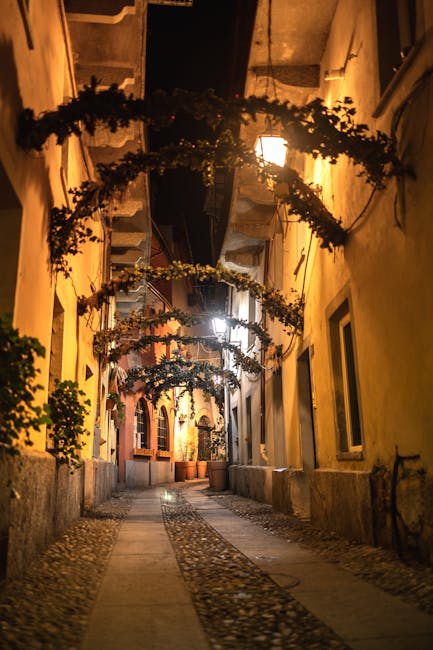
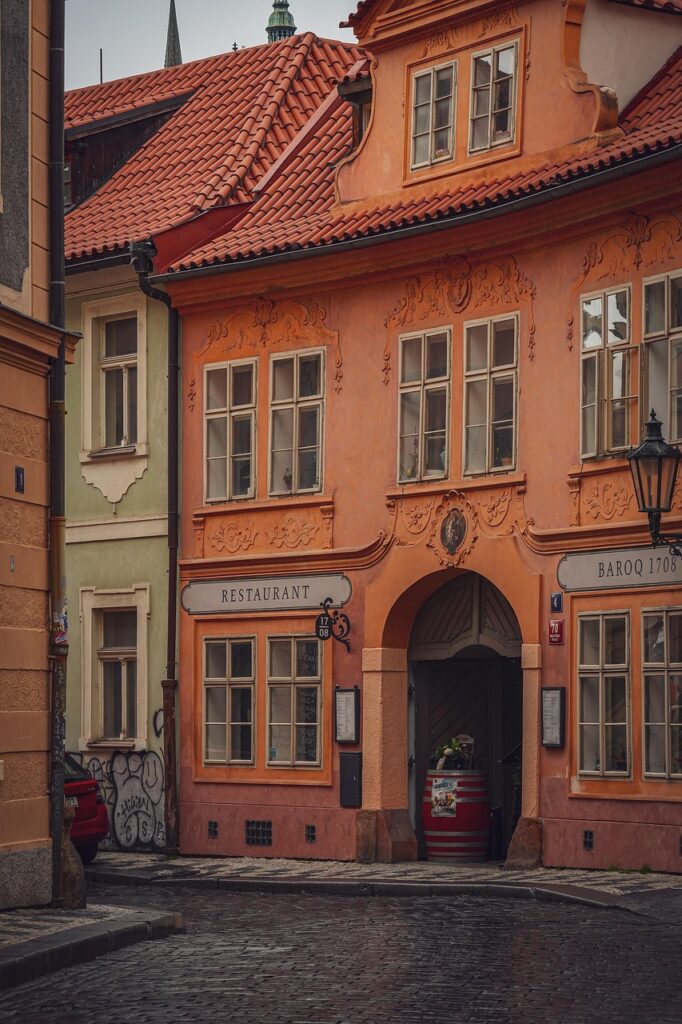
Ravenna, a city famed for its art and mosaics, often feels like an open-air museum where famous monuments and Byzantine masterpieces follow one another. Yet beyond the UNESCO-listed highlights, the historic centre hides a maze of narrow lanes, tiny squares and forgotten passageways that reveal the city’s everyday soul. This secret route invites you to leave the main arteries and explore intimate spots — shaded squares, carved portals, loggias where locals chat, artisan workshops and cafés that seem frozen in time.
In this guide I’ll walk you step by step through less-travelled streets, giving precise addresses, practical opening hours, ticket prices where applicable, sensory descriptions and local tips to make the most of each stop. The aim isn’t to replace the must-sees — Basilica di San Vitale, Mausoleo di Galla Placidia or the Battistero Neoniano — but to complement them with detours that feed your curiosity: multi-coloured facades visible only from a sidestreet, tiny squares perfect for an espresso, mosaic studios that sometimes welcome visitors by appointment.
Each section of this route focuses on a micro-area of the historic centre: lanes east of the Duomo, little squares near the theatre, passageways between Via Cavour and Piazza San Francesco, quiet canal edges and nooks around old loggias. You’ll find practical information — typical opening hours, current prices in euros and free alternatives — plus recommendations for avoiding peak times and how to chat with local artisans and shopkeepers. Photographers will also get precise visual cues for catching the local light at the right moment.
This guide is designed to be walked in half a day or a full day and can be paired with visits to major monuments if you want a mixed experience. I suggest a flowing route marked by 7 to 12 visual highlights illustrated with image markers (handy for planning or photography inspiration), along with safety and preservation tips — essential for keeping the authenticity of these often-quiet places. Bring sturdy shoes, a bottle of water and a paper map or fully charged phone: in Ravenna, the best discoveries happen when you dare to turn the next corner.
1. From the Duomo to eastern alleys: Piazza del Popolo and neighbouring streets
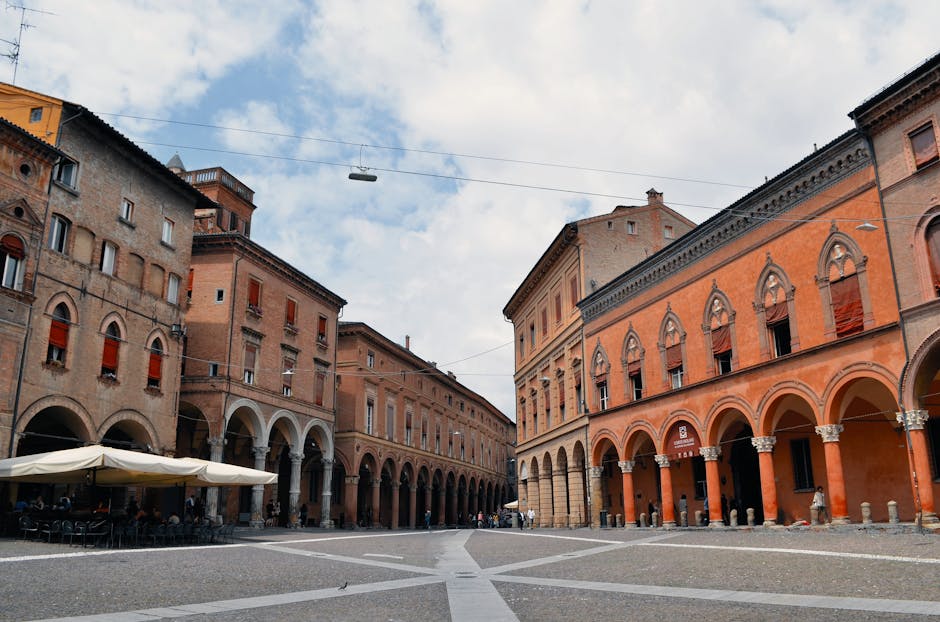
Start your exploration in the heart of the historic centre at Piazza del Popolo (Piazza del Popolo, 48121 Ravenna RA). This large square, flanked by arcades and terraces, is a great launch point to soak up the urban vibe before veering into more intimate lanes. Take a moment to study the brick facades and artisan shopwindows: hidden behind the apparent uniformity are carved details and old signs.
From the square head east along Via Cavour (Via Cavour, 48121 Ravenna RA), a shopping street that gradually narrows into alleys. Halfway down, turn right onto the tiny Via Santa Maria in Porto, a narrow passage where light filters between buildings and small courtyards and an old bookbinding workshop appear. These workshops, often housed in historic buildings, sometimes open their doors for a demonstration if you ask politely. Cost: usually free for an informal chat, but allow €5–10 for a small purchase or handcrafted stationery.
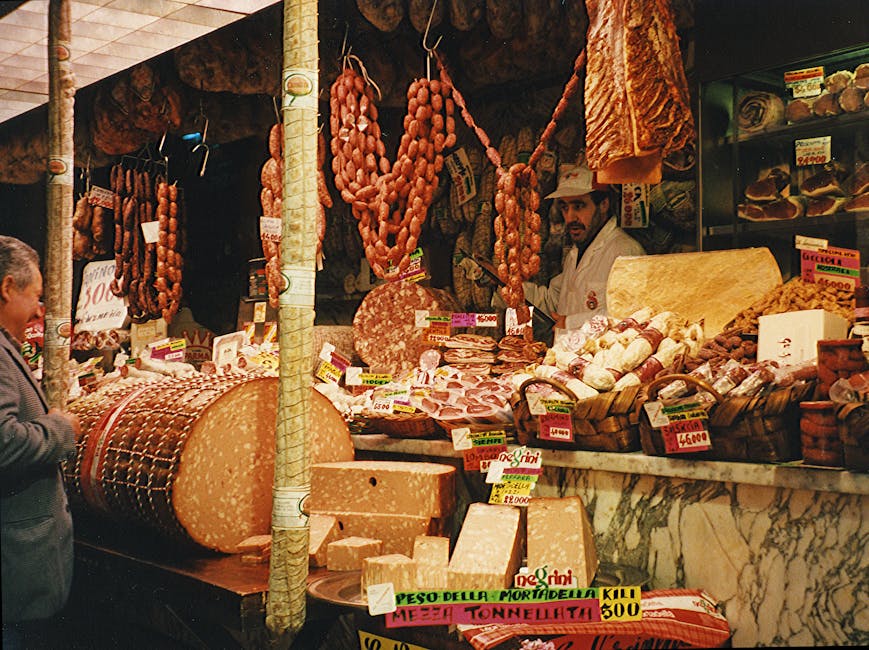
At the end of Via Cavour, follow the signs to Piazza Andrea Costa (P.zza Andrea Costa, 48121 Ravenna RA), an almost-secret square that hosts a small local producers’ market on some mornings (Wednesdays and Saturdays, 8am–1pm). The atmosphere is very local: cheese, cured meats, flowers and fresh bread. It’s the perfect chance to try a piadina Romagnola while watching the comings and goings of residents. A piadina from a market stall costs around €3–6.
Practical tips: aim for late morning (10am–12pm) to get the best light in the eastern alleys and to enjoy the market. If you want to visit the Duomo (Basilica Metropolitana di Santa Maria Assunta) nearby, the official address is Piazza Duomo, 1, 48121 Ravenna RA. Opening hours: usually 9am–12:30pm and 3pm–7pm (seasonal variations). Entrance to the cathedral is free; suggested donations for upkeep are €1–3.
2. Between mosaics and loggias: the small squares around San Vitale
Ravenna is synonymous with its Byzantine mosaics, and although Basilica di San Vitale (Piazza di San Vitale, 1, 48121 Ravenna RA) and the Mausoleo di Galla Placidia (Via San Vitale, 85, 48121 Ravenna RA) are major stops, there are discreet squares around them where the presence of the past reads differently: medieval portals, shaded benches and small trattorie. Take the shopping street Via di Roma (Via di Roma, 48121 Ravenna RA) and cut into the perpendicular lanes; you’ll find tiny squares like Piazza San Vitale or Piazzetta dei Servi, less crowded and perfect for a pause.
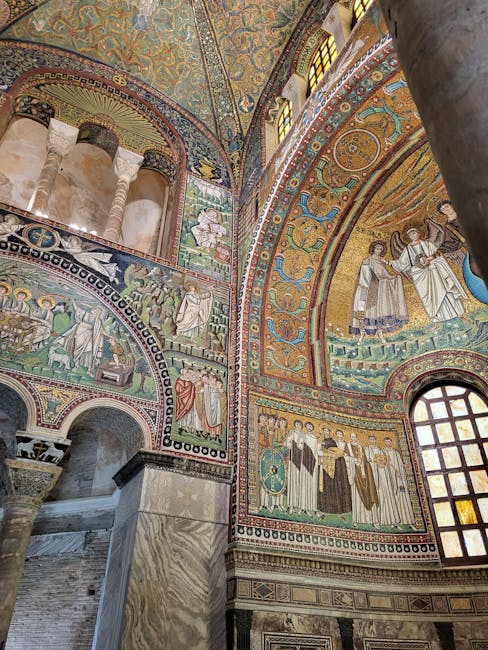
The interior of the Basilica di San Vitale deserves a place on your route. Address: Piazza di San Vitale, 1, 48121 Ravenna RA. Hours: generally 9am–7pm in high season (April–October) and 9am–5pm in low season; check local times on site. Price: combined ticket for Basilica di San Vitale and Mausoleo di Galla Placidia is about €10–12 (reduced €6–8 for students/65+; free for children under 6). The Mausoleo di Galla Placidia (Via San Vitale, 85) is often quieter and offers a hushed atmosphere ideal for admiring its starry mosaic ceiling.
Beyond the monuments, look for loggias and portals on Via della Ferrovia and Via Bruno Costa, where polychrome facades hide behind wisteria in spring. For food lovers, Trattoria La Rusticana (Via San Vitale, 42, 48121 Ravenna RA) is a small local spot — main courses average €10–15, antipasti from €5, typical hours: 12pm–2:30pm and 7pm–10pm; closed on Monday. You’ll find traditional Romagna recipes here, perfect for a lunch break after seeing the mosaics.
Tips: to photograph interior mosaics without reflections, favour morning light and get close to the explanatory panels that point out specific iconographic details. Always ask permission before photographing artisans at work; a small tip (about €5) is often appreciated.
3. The foodie lanes: cafés, workshops and little squares in the western quarter
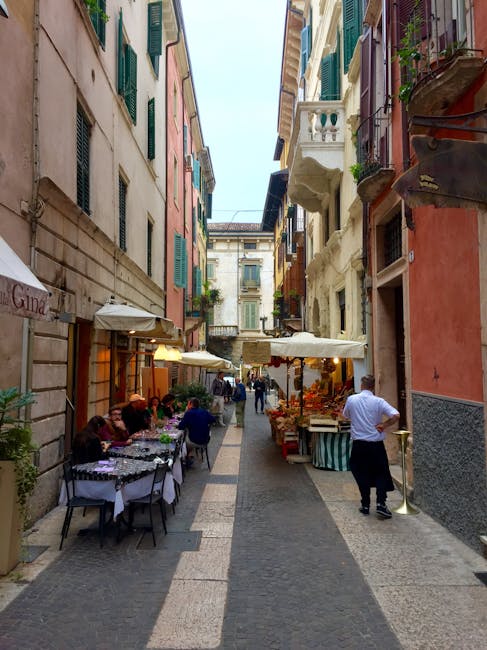
The western quarter of the historic core, between Piazza San Francesco and Via Calcinaro, is a playground for those who like to pair wandering with tasting. Piazza San Francesco (Piazza San Francesco, 48121 Ravenna RA) is dominated by the church of San Francesco and retains a medieval feel. From here, explore the perpendicular lanes: Via Pasolini, Via del Portone, and the small alleys that open into interior courtyards.
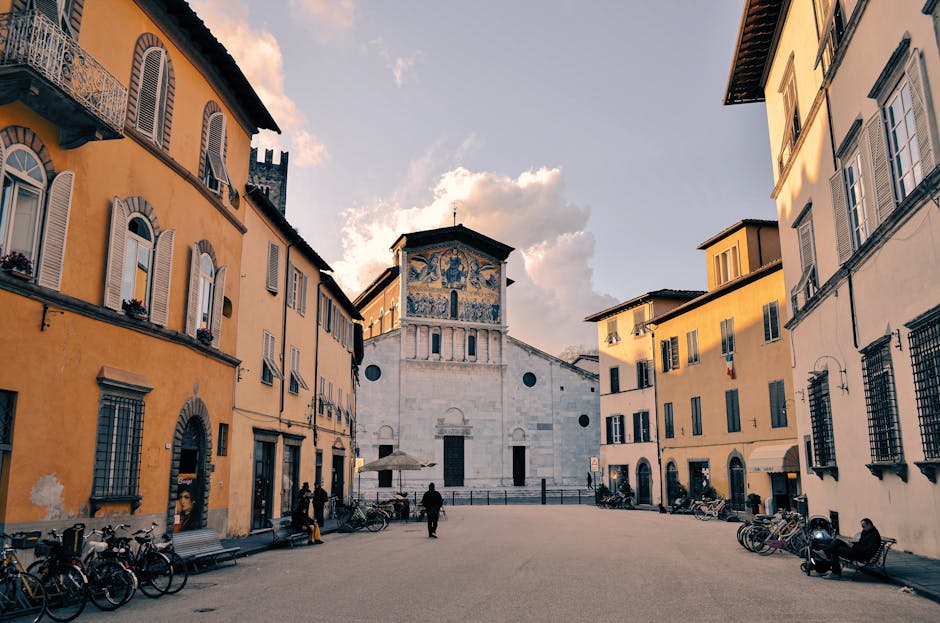
For a quality coffee stop go to Caffè degli Artisti (Via Cavour, 15, 48121 Ravenna RA) — very central but with a terrace on a side lane that keeps an intimate atmosphere. Price: espresso €1–1.50, cappuccino €1.50–2.50. Hours: 7:30am–7:30pm (occasionally closed Sunday night). Try the local pastry (biscotti di Ravenna) with your coffee.
Food lovers shouldn’t miss Osteria del Tempo Perso (Via del Gobbo, 6, 48121 Ravenna RA), a small family-run restaurant tucked behind a discreet facade. Daily dishes run €9–15, tasting menus start at €25; open for lunch and dinner, weekly closure varies (often Monday night). It gets busy in the evening, so book ahead.
Artisan workshops in the western quarter have their own pace: mosaicists, furniture restorers and blacksmiths often work in interior courtyards. To visit a mosaic studio, contact the Scuola Mosaicisti del Friuli or independent workshops around Via Ponte Marino in advance: most accept visits by appointment for a small fee (€10–15 per person for a demo and explanation, sometimes free for small groups). Buying a small mosaic panel there typically costs between €20 and €80 depending on size and complexity.
Practical tips: lunch between 1pm and 3pm is often the quietest time; choose this slot to enjoy the little squares. For artisan purchases, always ask about the origin of materials and whether the workshop can ship abroad if needed (shipping costs extra).
4. Canals and quiet walks: the southern side and its unexpected corners
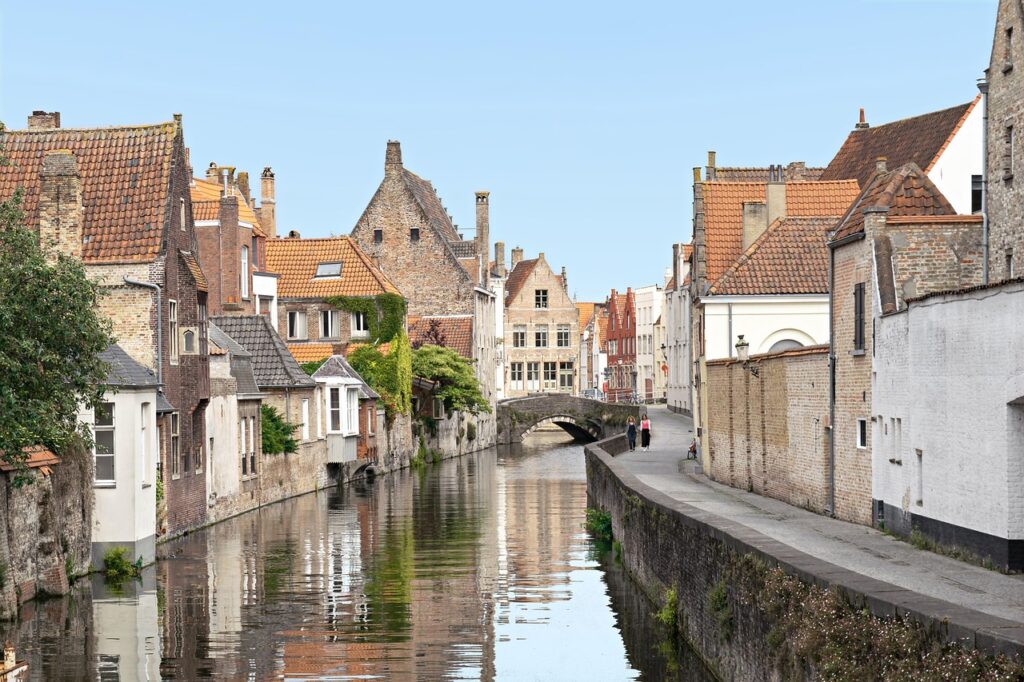
Ravenna isn’t Venice, but parts of the southern historic centre offer canal-side strolls and old waterways lined with small colourful houses and pedestrian bridges. Wander south-east from Via Pascoli and explore the streets around Piazzetta Anfiteatro (a small square often missed by tourist routes) and the riverbanks where locals and visitors mingle to catch the sun in summer.
A discreet but charming spot is the Giardino Pubblico in via Alberoni (Via Alberoni, 48121 Ravenna RA), a small municipal garden with benches, century-old trees and historical panels explaining the city’s development. Open year-round; free access. This garden is perfect for a reading break or a picnic on a shaded bench, away from the crowds.
Nearby, Via Ponte Marino (Via Ponte Marino, 48121 Ravenna RA) still has old houses and several small shops selling local products: delicatessens, cheesemongers and wine shops. A quick tasting at a local wine merchant costs €3–8 depending on the format (a glass plus a snack). Look for workshops that display “laboratorio” on the door: these are often open to the public for purchases.
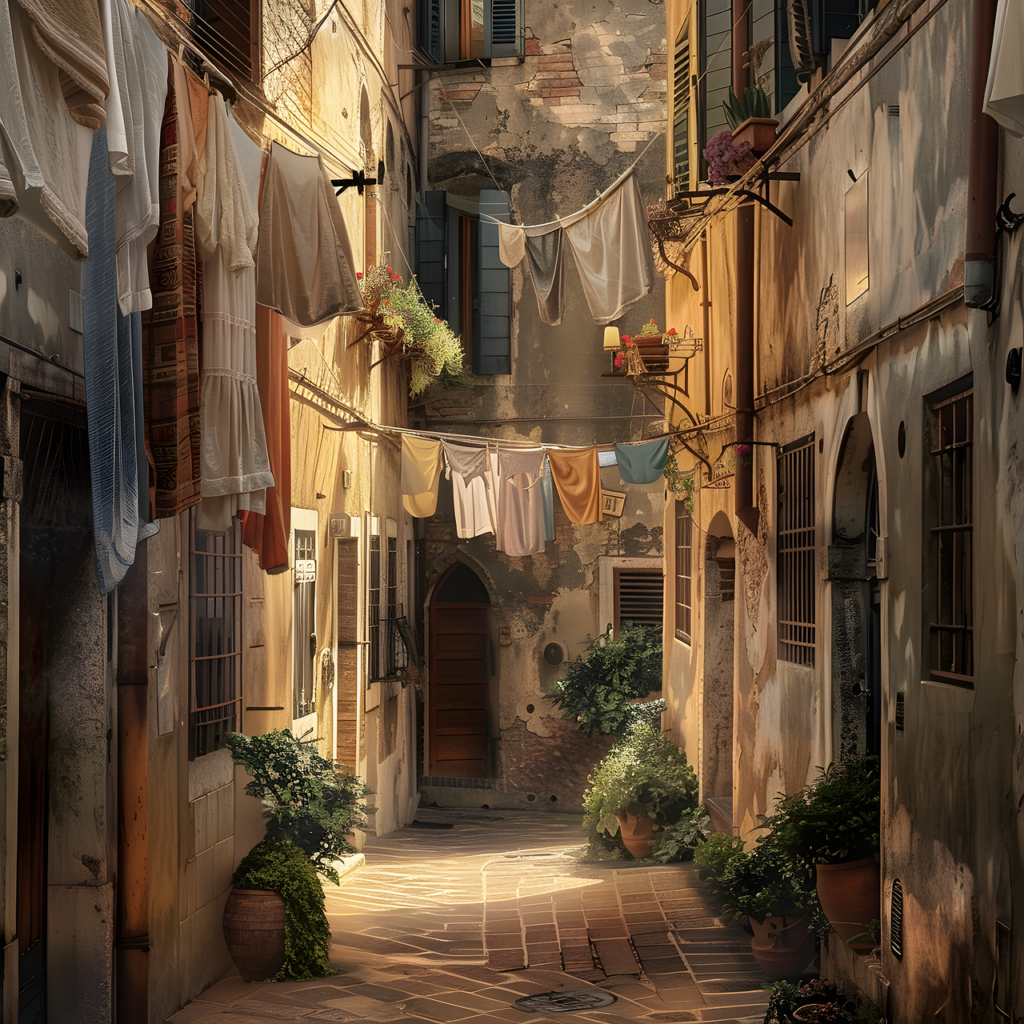
If you want to prolong the walk, follow the canal southwest toward the Teodorico Park (Parco di Teodorico area), where shady spots and scattered modern sculptures await. These walks are especially lovely late in the afternoon, when low light gives warm tones to terracotta walls and reflections in the water become picture-perfect. Be cautious after dark though: some alleys are poorly lit, so stick to main routes if you’re out late.
5. Quiet mornings and calm evenings: practical tips and alternative routes
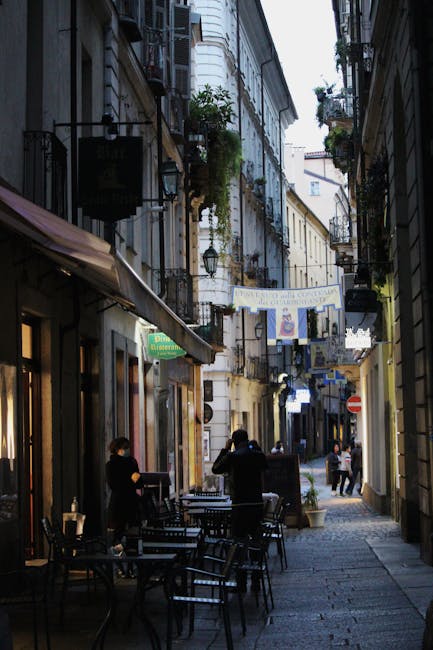
Ravenna reveals its secrets in the early morning and at dusk. Mornings (8am–10am) are ideal for catching the lanes when they’re still empty — you’ll hear the clatter of delivery carts, smell fresh-baked bread and watch shopkeepers set up. In the evening (after 7:30pm), small squares fill with terrace life while the big monuments glow under warm lighting.
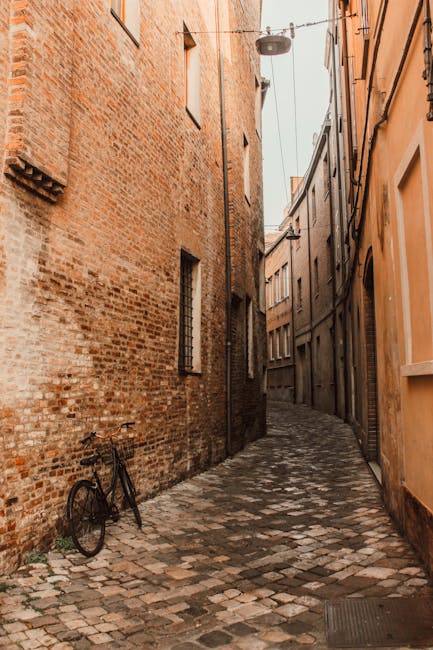
Morning plan: start between 8am and 9am at Piazza del Popolo, grab an espresso in a local bar (€1–1.50), then cross Via Cavour to explore the eastern lanes and reach the Piazza Andrea Costa market if it’s open (Wednesday, Saturday). An alternative morning route: Duomo — Via di Roma — Piazzetta dei Servi — public garden — coffee on a terrace.
A tranquil evening: for dinner choose a table in a small osteria down an alley (main courses €10–18). To end the night peacefully, head south toward the canals and stop for a local digestif (amaro) or a glass of Sangiovese (glass €3–6). Many places accept cards but prefer cash for small bills.
Practical and safety tips:
- Shoes: bring comfortable, slip-resistant footwear — the cobbles can be slippery after rain.
- Visiting hours: avoid the hottest hours in summer (12pm–4pm); stick to morning and late afternoon.
- Reservations: for small restaurants and workshops it’s best to call or email the day before if you’re visiting in high season.
- Respect: some courtyards and workshops are private — knock before entering or ask permission before photographing.
- Transport: the centre is very walkable; to park a car use peripheral car parks (e.g. Parking Piazza Kennedy) and walk 10–20 minutes to the historic core.
Conclusion: protecting Ravenna’s intimacy and extending the discovery
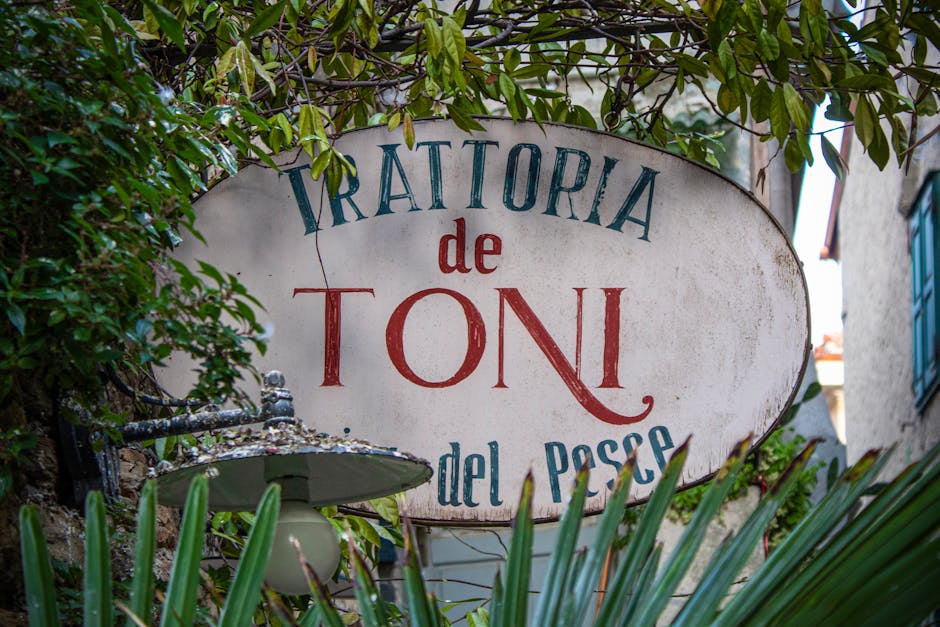
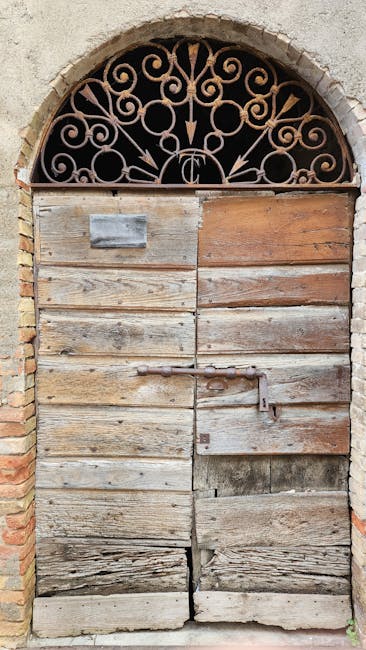
Seen through its lanes and small squares, Ravenna reveals an intimate, everyday side that standard tours don’t always show. This guide has offered a secret route through the historic core: detours from Piazza del Popolo toward Via Cavour and its alleys, quiet squares around San Vitale, cafés and workshops in the western quarter, calm riverbanks on the southern side and practical tips for enjoying mornings and evenings. Every step in these less-frequented spaces invites a closer look — a carved portal, a hand-painted sign, the crackle of a wood-fired oven, a merchant’s chat. Those details make a visit rich and create memories that don’t always appear in guidebooks.
Keeping this intimate character also depends on visitor behaviour: respect the places, avoid loud noise in courtyards and gardens, ask permission before photographing people and workshops, and support the local economy by buying a handcrafted item or having a coffee at a small shop. If you want to dive deeper, several mosaic workshops accept visitors by appointment and offer introductory classes (fees €20–60 depending on length). Likewise, guided walks led by local associations provide historical and artistic insight often missing from brochures; prices are usually around €12–20 per person for a 1.5–2 hour tour.
Finally, take your time: Ravenna isn’t a city to rush through. Let yourself be carried by the pace of the lanes, sit on a terrace and watch the city live. The best moments come when you intentionally get lost, discover a little square filled with neighbours’ songs or find a workshop willing to show you a centuries-old technique. Those experiences are the heart of a truly local trip. Enjoy your walks in Ravenna — may every lane give up its secret.