




Introduction: Why the light inside Ravenna’s baptisteries deserves your photographic attention
Ravenna is a compact town with a rich Byzantine past where a handful of streets hold UNESCO-listed mosaic masterpieces. Among them, the Battistero Neon (often called the Baptistery of the Orthodox) and the small but striking Battistero degli Ariani stand out for any photographer obsessed with how light plays on gold and tesserae. These spaces are built to catch and transform natural light: it slides, fractures and refracts across millions of tiles, producing moods that shift by the hour. Photographing these baptisteries is not just a technical exercise — it’s a sensory and cultural experience.
This photo guide has two aims: first, to help you understand how light interacts with mosaics, vaults and iconographic patterns; second, to give practical and technical tips so your images do justice to these interiors. We’ll cover which lenses to favor, how to handle exposure when facing the extreme contrast between dark niches and golden heavens, and how to pick times of day for either dramatic or gentle results. I’ll also cover local constraints: shooting rules, tripod restrictions, opening hours, ticket prices and practical routes for combining visits.
This guide is for traveling photographers of all levels: informed hobbyists, urban shooters and curious visitors who want to move beyond a mere souvenir to produce images with emotion and meaning. You’ll find concrete tips — settings, compositions, visual cues — along with gear recommendations and advice on interacting respectfully with these religious sites and their visitors. And since light is always changing, I give time-based pointers and detailed viewing spots around Ravenna to help you make the most of every hour inside the baptisteries.
 Click here to buy your tickets for the UNESCO-listed mosaics
Understanding light and mosaics: physics, materials and visual effects
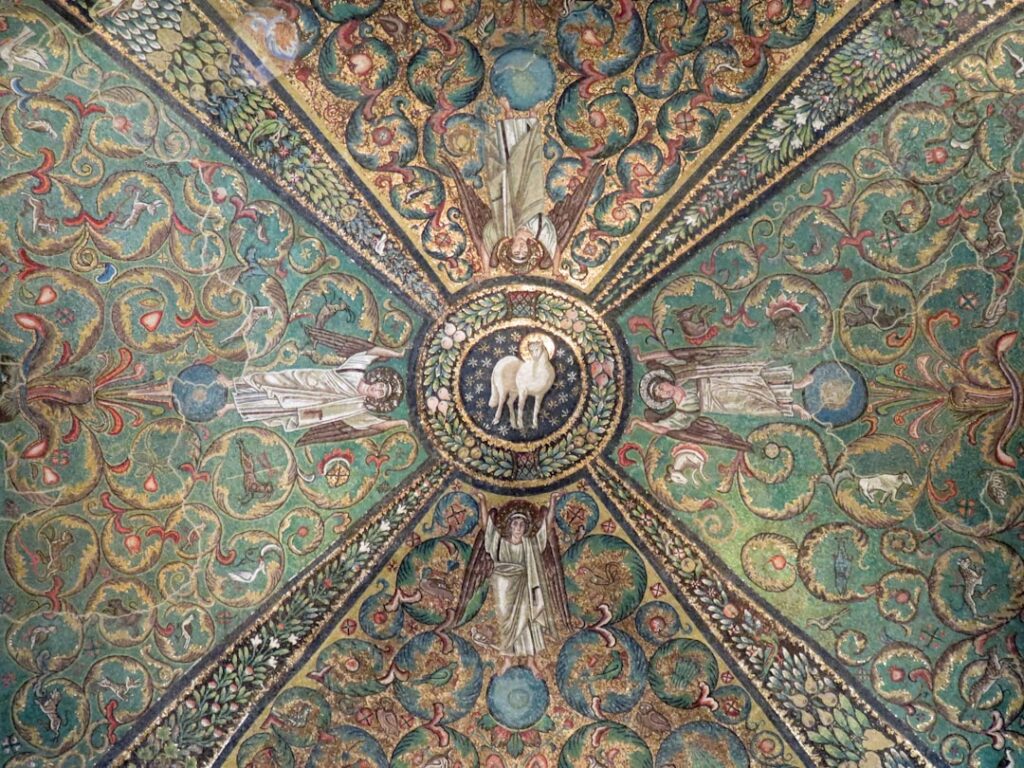
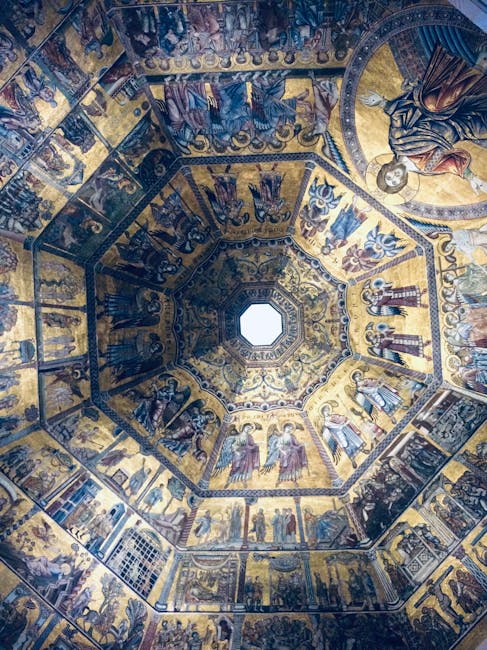
The Byzantine mosaics in Ravenna are made of gold-backed glass tesserae, polished stone and vividly colored smalti. Gold glass is a thin leaf of gold sandwiched between two layers of glass: it reflects light with a distinct intensity and directionality. In a baptistery, the hemispherical dome gathers and throws back natural light coming from small high windows, creating brightly lit zones surrounded by deep midtones. How the scene photographs depends heavily on the light’s angle of incidence and where the photographer positions themselves.
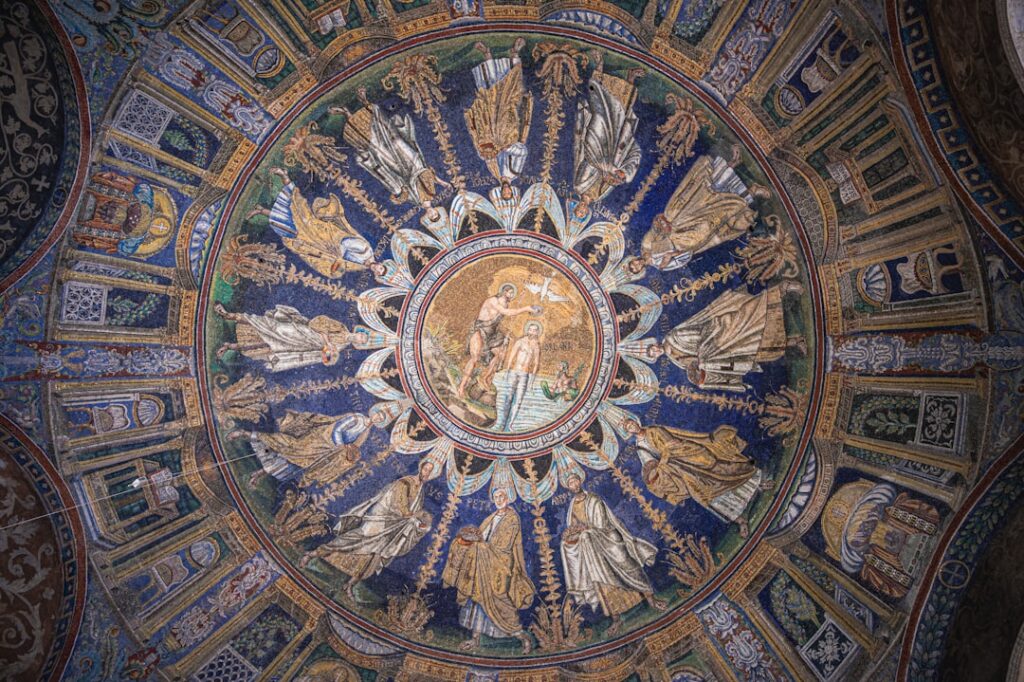
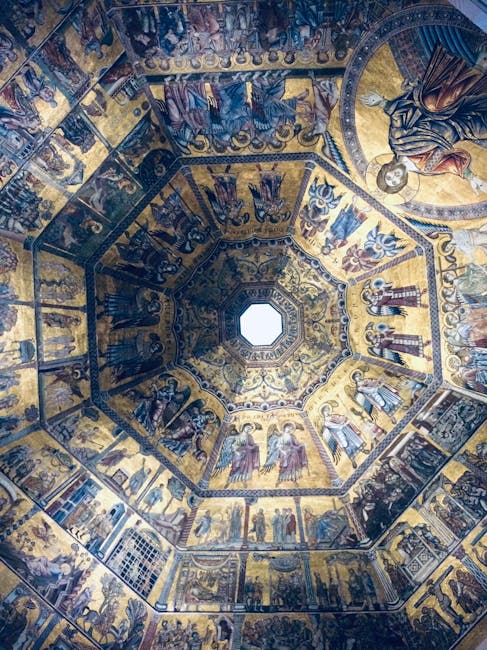
The dome of the Battistero Neon (Baptistery of Neon) is famous for its Christ in Majesty surrounded by angels, where the gold reflects light almost like liquid. Golden surfaces easily blow out if you overexpose, while shadowed areas quickly lose detail if you expose for highlights. To get a faithful result, favor multiple exposures or shoot RAW so you can recover highlights and shadows. Using the histogram is essential: aim for a slight underexposure to preserve golden tones, then lift shadows in post-processing.
Another key factor is texture. The tesserae create micro-reflections and color transitions that give a feeling of depth and motion. A very shallow depth of field isn’t always ideal here because it can smooth over that rich texture. Stopping down around f/5.6 to f/11 is often a sweet spot to retain enough sharpness while avoiding diffraction. For very close details (tesserae macro shots or the grout lines), a macro lens or a short telephoto lets you isolate patterns and reveal materiality.
Technical prep and gear: lenses, settings and on-site constraints
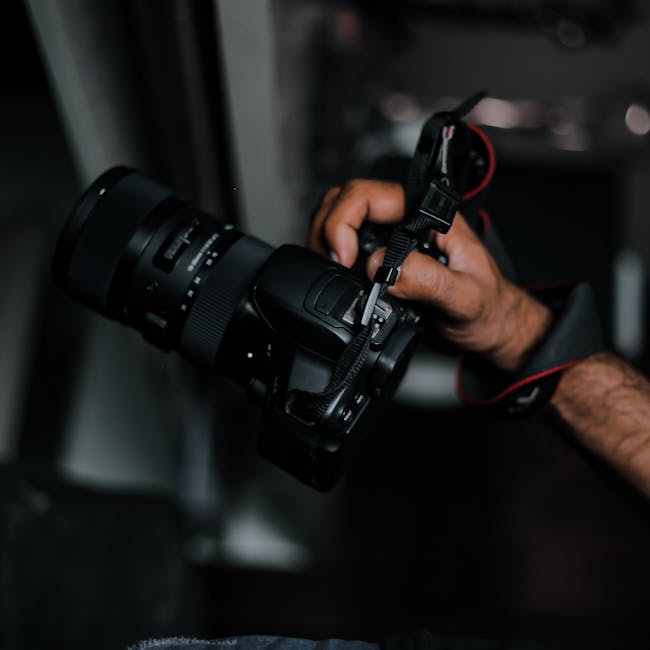
Picking the right kit is critical to your success. In most Ravenna baptisteries the light is low and soft; a fast lens (f/1.8, f/2.8) helps, but keep in mind the depth-of-field and texture points mentioned above. My go-to equipment for these spaces:
- A full-frame body if available, for better noise control at higher ISOs.
- A moderate wide-angle lens (24–35 mm) to capture the dome and its architectural context without overdoing perspective.
- A standard/portrait lens (50–85 mm) to isolate mosaic figures and iconographic details.
- A short telephoto (100–200 mm) to compress the scene and reach mosaic faces high up.
- A compact travel tripod: useful but often forbidden inside. Check rules before you enter.
Recommended settings on site:
- Shoot RAW to preserve dynamic range.
- ISO 400–1600 depending on available light and your camera; aim for lower ISO if you can stabilize the camera.
- Aperture between f/5.6 and f/11 to retain sharpness and texture.
- Minimum shutter speed 1/60 s for handheld; raise ISO if you need faster speeds. If your lens has stabilization, you can go slower.
- No flash: most sites prohibit flash to protect the mosaics and out of respect for other visitors.
Local constraints: in Ravenna tripod use is often limited in small monuments for crowd flow and conservation reasons. The Battistero Neon and the Battistero degli Ariani generally allow photography without flash and without tripods, but rules can change. Ask staff at the entrance: they’ll tell you whether supports are tolerated and whether you need special permission for professional shoots.
Best times, angles and compositions to capture the baptisteries’ soul
Timing is crucial. The small high windows filter light differently depending on the sun’s angle; early morning (9:00–11:00) often yields softer light, while late afternoon (16:00–18:30) brings warm, oblique rays that enhance relief. These time slots are seasonal guides:
- Spring/Summer (April–September): 9:00–19:00 (longer hours) — stronger afternoon light and more crowds.
- Autumn/Winter (October–March): 9:00–17:30 — lower light, a more intimate atmosphere and fewer visitors.
Recommended angles and compositions:
- For the dome, try to stand in the center of the space when possible and compose symmetrically: symmetry amplifies the sacred, graphic quality.
- Step slightly off-center to capture the lateral motion of angels and inscriptions: it adds depth and avoids a flat, static feel.
- Use vertical framing to elongate the dome and show the ground-to-heaven relationship.
- Move close to side walls to isolate narrative scenes and get interesting textures in the background.
- Look for reflections on the floor or polished columns to create mirror plays.
Timing tip: arrive 15–30 minutes before official opening to be among the first in and enjoy a calm interior. If that’s not possible, aim for late afternoon when light is more dramatic and many tour groups have left. Don’t forget ground-level shots: a low viewpoint makes the dome feel more monumental and amplifies the golden light’s reflection.
Click here to photograph sunrise or sunset among the mosaics
Access, prices and practical local recommendations in Ravenna
To plan your visit, here are practical details, addresses and typical prices (subject to change — check before you go):
Battistero Neon (Baptistery of Neon / Battistero degli Ortodossi)
Address: Piazza Duomo, 7, 48121 Ravenna RA, Italy.
Typical opening hours: generally open 9:00–19:00 in high season (April–September) and 9:00–17:30 in low season (October–March). Closed on occasion 25 December and 1 January.
Price: individual ticket around €3.00–4.00 (reduced rates for students and seniors). Entry is sometimes included in combined Ravenna monuments tickets (Ravenna Card).
Battistero degli Ariani (Arian Baptistry)
Address: Via Pietro Donzelli / Via Galletta area, 48121 Ravenna RA, Italy (a short walk from the Mausoleo di Galla Placidia and Basilica di Sant’Apollinare Nuovo).
Typical opening hours: similar to the Battistero Neon — check local notices.
Price: around €3.00–4.00, often included in combined tickets.
Nearby photo-worthy sites:
- Basilica di San Vitale — Piazza San Vitale, 2, 48121 Ravenna RA, Italy. Stunning mosaics and softer light from October to March. Entry ~€10.
- Mausoleo di Galla Placidia — Via Argentario, 22, 48121 Ravenna RA, Italy. Close by; a short but unmissable visit. Entry ~€5.
- Basilica di Sant’Apollinare Nuovo — Via dei Classici / Piazza del Popolo, 48121. Entry ~€5–7.
Local practical tips:
- Tickets and queues: buy online if it’s peak season. Small monuments can develop lines because of guided groups.
- Respect: keep quiet and dress appropriately inside religious sites; avoid blocking aisles while composing shots.
- Common prohibitions: flash and tripods without permission; flags or professional lighting require authorization.
- Visit time: allow 20–40 minutes per baptistery to shoot without rushing.
- Food and charging: plenty of cafés around Piazza del Popolo and Via Cavour — ideal for recharging batteries and memory cards.
Click here to book a guided tour of the monuments and mosaics
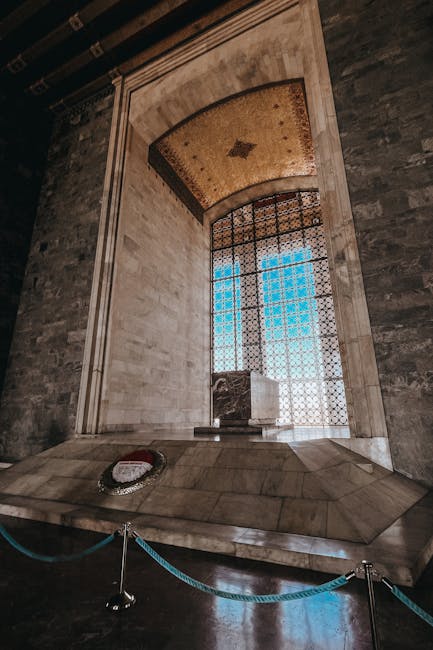
Conclusion: turning your photos into testimonies of light and history
Shooting Ravenna’s baptistery — whether called Battistero Neon, Baptistery of Neon, or grouped among the city’s historic baptisteries — mixes technical problem-solving with respect for the place. The real reward isn’t just a pretty image but the ability to convey by photo the physical and spiritual effect these mosaics produce: a golden shimmer that seems to suspend time. The technical tips here (RAW shooting, dynamic range management, lens choices) help you tame photographic constraints, while the practical recommendations (hours, prices, local rules) let you approach the visit calmly and respectfully.
Document your work: note the time, light and camera settings for each shot — those details are invaluable for repeating a look or explaining a photographic series. Above all, be patient. The best images often come after multiple visits, watching how light moves through the day and across seasons. Ravenna isn’t just a mosaic museum: it’s a living space where Byzantine art engages in dialogue with natural light. Approach it with curiosity, and let the city lead you.
Click here to book a private tour of the Byzantine mosaics