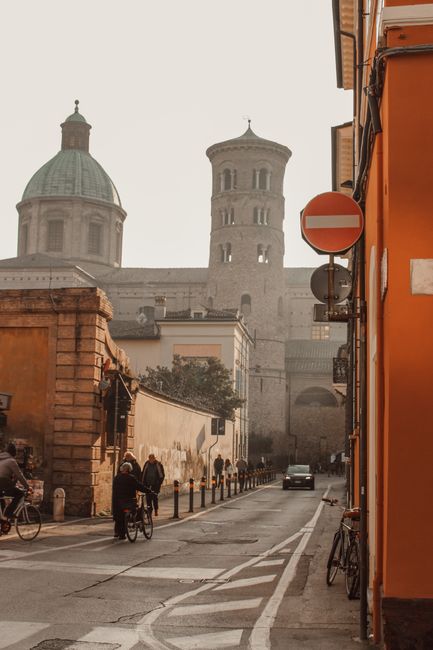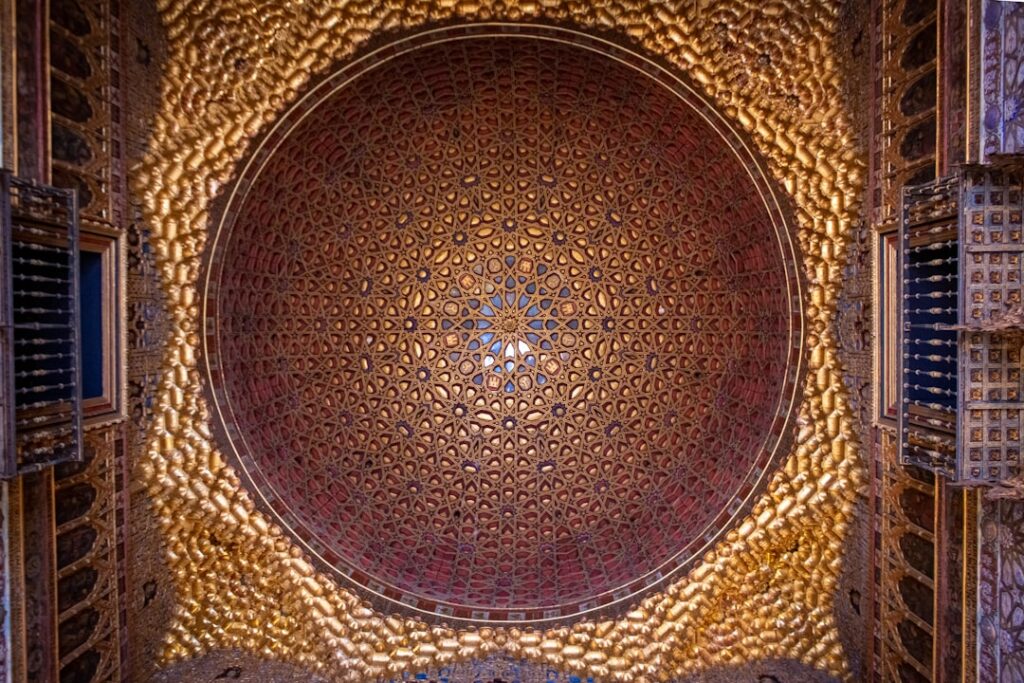





Introduction: Mosaics and Light in Ravenna — the Miracle of Galla Placidia
Ravenna is home to one of the finest concentrations of Byzantine art in the West. At the heart of this small Italian town, the Mausoleo di Galla Placidia concentrates the evocative power of mosaic into a single space: an inner light that turns tesserae into a kind of tangible prayer. This piece is a practical, immersive guide to understanding, visiting and appreciating the wonder of Galla Placidia and its immediate surroundings, with exact addresses, typical opening hours, ticket prices and local tips to help you make the most of your visit.
Built in the 5th century and often associated with Empress Galla Placidia, the mausoleum is essentially a box of light. Dark walls covered with millions of tiny glass and stone tesserae reflect a peculiar inner glow: deep blues, shining golds and subtle greens combine to form biblical scenes and cosmic motifs. The most famous is the starry vault, a gold-studded sky that, in the visitor’s imagination, seems to cradle the soul. To grasp the place you need some historical bearings: Ravenna was briefly capital of the Western Roman Empire (late 5th century) and later an important center of Byzantine administration in Italy. That dual identity explains both the exceptional quality and the remarkable preservation of the mosaics.
Visiting Galla Placidia isn’t just about admiring a fresco or taking a photo: it’s stepping into an architecture of light. Windows are few and small; the power of the space comes from the shimmering surfaces. The mosaics were not made for a detached, modern gaze but for close viewing, where hand and eye meet in astonishment. This guide gives you practical details: address, opening times, prices in euros, the best hours to avoid the crowds, photography tips (and limits), and ideas to extend your route to San Vitale, the Neoniano Baptistery and Sant’Apollinare.
We’ll also share practical advice: where to buy tickets (on-site or online), how to combine this site with other UNESCO-listed monuments, rules of respect for the place (silence, flash photography often forbidden), accessibility for visitors with reduced mobility, and tips to catch the morning and evening light that make the mosaics even more magical. This guide is aimed at the curious visitor who wants more than images: someone who wants to understand why Ravenna’s mosaics have fascinated people for centuries and how to prepare for the best possible visit.
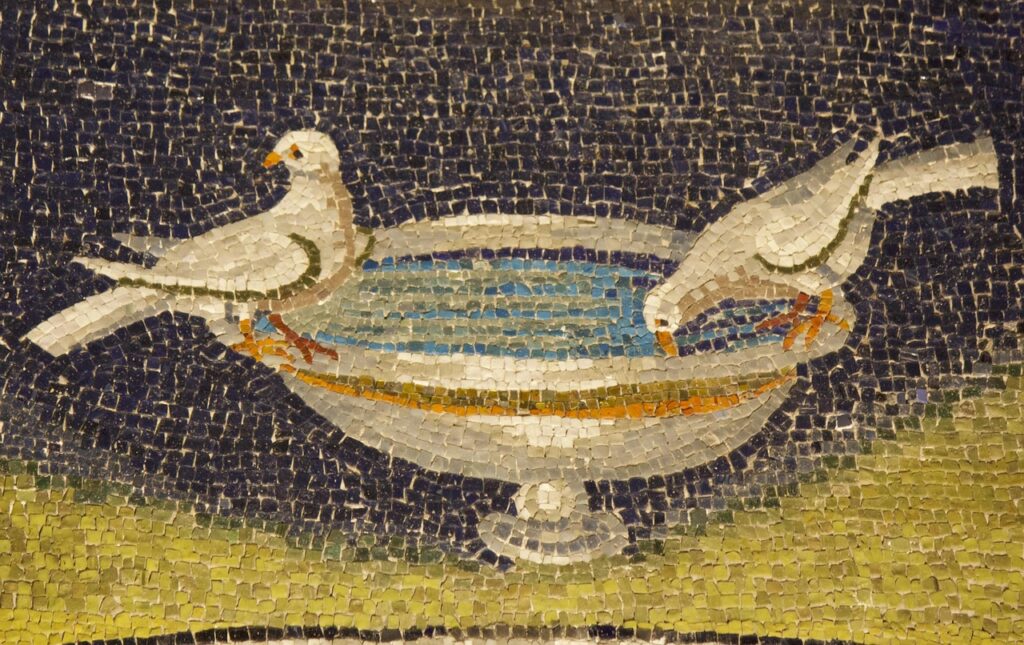
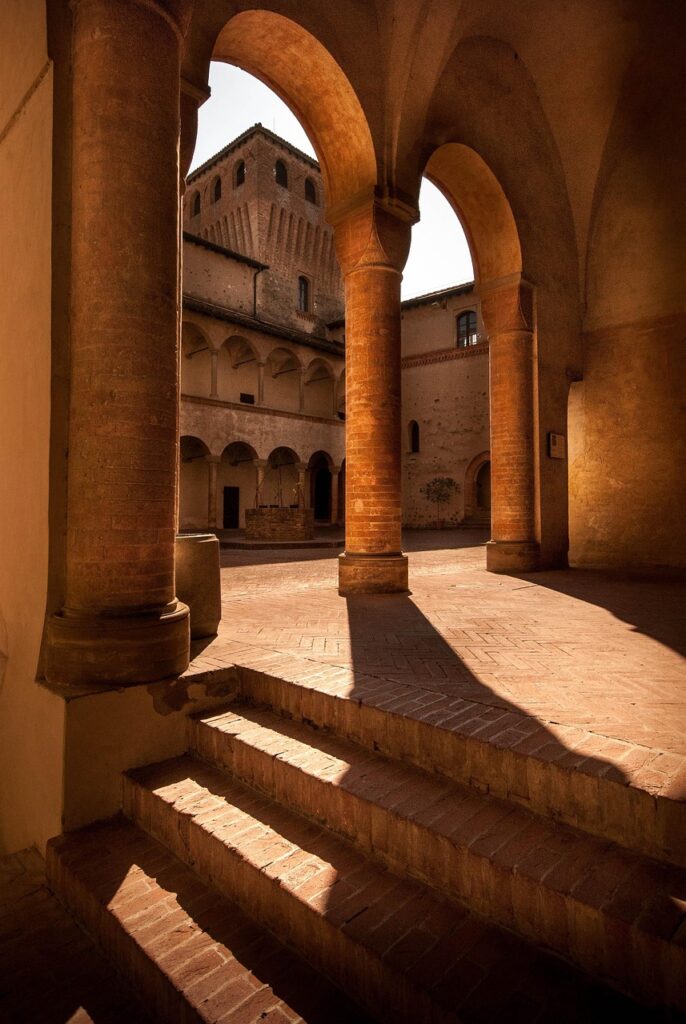
The Mausoleo di Galla Placidia: address, opening times, prices, detailed description
Exact address: Mausoleo di Galla Placidia, Via Argentario 1, 48121 Ravenna RA, Italy. The mausoleum sits just a few hundred metres from Piazza del Popolo and Ravenna’s Duomo, easily reachable on foot from the historic centre. The exterior is plain, almost modest, and the surprise reveals itself as soon as you step inside: a compact interior entirely covered in mosaics.
Opening times (indicative and subject to seasonal change): generally the Mausoleo di Galla Placidia is open every day. Typical hours: April to September: 9:00 – 19:00, October to March: 9:00 – 17:00. It’s wise to check the exact times before you travel, especially around public holidays. Last admissions are often allowed 30 minutes before closing.
Prices (indicative): entry to the Mausoleo di Galla Placidia can be bought as a single ticket or as part of a combined ticket valid for several Ravenna monuments. Typical pricing: single entry: around €6, combined ticket for several sites (San Vitale, Mausoleo, Baptistery): around €12–€15. Rates can vary with discounts (students, seniors, school groups); a Ravenna Pass may also be available. Card payments are usually accepted, but it’s sensible to carry some cash.
Immersive description: the interior space of the mausoleum is small — you enter a square chapel topped by a vaulted crossing. The walls aren’t merely ornamented; they tell symbolic stories: the paschal lamb surrounded by the four evangelists, palmettes and geometric patterns. Natural light filtering through tiny windows makes the golden mosaics gleam, creating a sense of depth and movement. Visitors often notice a soft acoustic quality, almost cushioned, due to the compact volume.
Practical tips for visiting: arrive early (or after 4 pm in high season) to avoid tour groups and coach parties. Avoid using flash: not only is it often prohibited, it also distorts the perceived colours of the mosaics. Get close: these mosaics are meant to be seen up close. Respect the silence and sobriety of the space; the density of gold and blue requires concentration. If you take a guided tour, choose a guide specialised in Byzantine art who can decode the symbols for you.
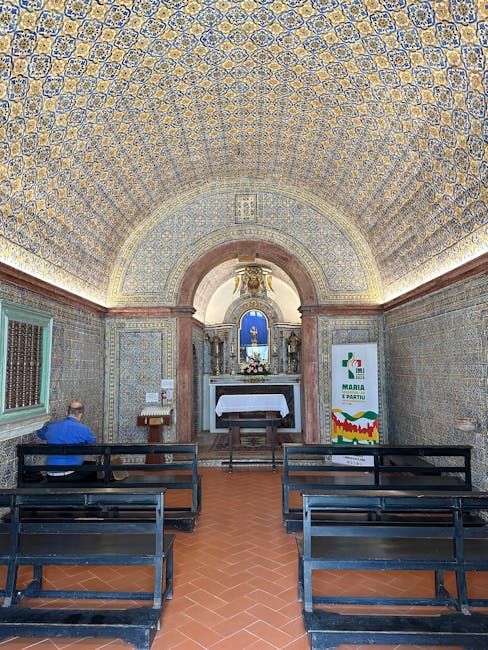
Nearby buildings and suggested route: San Vitale, Battistero Neoniano, Sant’Apollinare
The Mausoleo di Galla Placidia is part of an urban ensemble rich in mosaic sites. To grasp the style and development of the mosaics, pair your visit with the Basilica di San Vitale, the Battistero Neoniano (Orthodox Baptistery) and the Basilica di Sant’Apollinare Nuovo. Below are addresses, typical hours and prices, with some practical notes.
- Basilica di San Vitale — Address: Via San Vitale 17, 48121 Ravenna RA, Italy. Indicative hours: 9:00 – 19:00 (seasonal). Price: around €8–€10 for a single entry, often bundled with the Mausoleo for about €12–€15. The basilica is famous for its vast imperial mosaics and octagonal plan: here the spectacular unfolds on a much larger scale compared with the intimacy of Galla Placidia.
- Battistero Neoniano (Neoniano Baptistery) — Address: Piazza del Duomo, 48121 Ravenna RA, Italy. Indicative hours: 9:00 – 18:00. Often included in combined tickets; individual entry around €4–€6. The interior is entirely covered in mosaics, with a powerful representation of Christ in majesty in the dome — best viewed from the baptistery’s center.
- Basilica di Sant’Apollinare Nuovo — Address: Via di Roma 53, 48121 Ravenna RA, Italy. Indicative hours: 8:30 – 17:30. Price: around €6–€8, often included in combined tickets. Notable for its long nave lined with registers of mosaic processions depicting saints and narrative scenes — perfect for comparing styles and iconography.
Suggested route: start at San Vitale to take in the monumental scale, then head to Galla Placidia for intimacy and light. Finish at the Neoniano Baptistery to admire the technical virtuosity of the dome and Sant’Apollinare Nuovo for a narrative reading of the mosaics. Because of queues, it’s best to buy a combined ticket at the single ticket office often located near the Duomo or to reserve online via Ravenna’s tourist office.
Practical advice: allow at least two hours for this circuit if you really want to read and photograph without rushing. Walking distances are short (5–15 minutes between sites); Ravenna is very walkable. Wear comfortable shoes and bring water — especially in summer. Don’t hesitate to step into smaller, lesser-known churches and chapels: the quality of mosaics there can be surprising and the crowds much thinner.
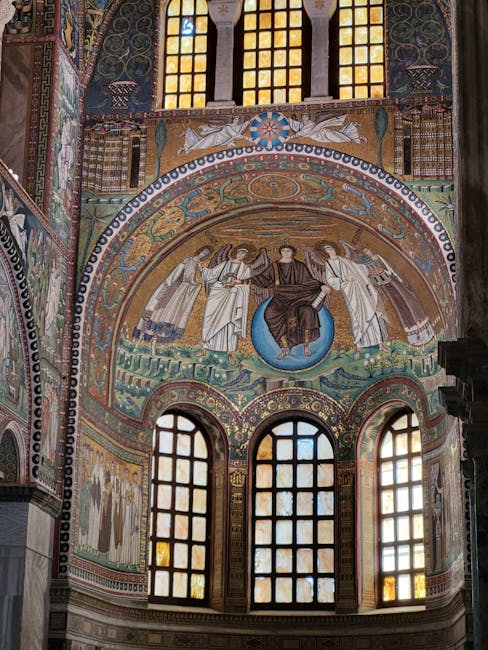
Understanding mosaic: techniques, materials and iconographic reading
To appreciate Galla Placidia it helps to know a few technical and symbolic elements. Ravenna’s mosaics are mostly made from coloured glass tesserae, sometimes gold-leafed, set into a mortar bed. Byzantine craftsmen mastered the tilted placement of tesserae to catch light at different angles — one reason why perception shifts depending on your viewing point and the light.
Materials: tesserae (small cubes of glass, stone, marble, mother-of-pearl) vary in size and colour: gold for heavenly backgrounds or divine light, deep blues for the skies, greens and reds for drapery and landscapes. Gold glass was made by sandwiching a thin sheet of gold between two layers of glass — a luxurious technique that gives the depth and sparkle characteristic of these works. Galla Placidia’s mosaics exploit these materials to build an aesthetic that is both narrative and cosmic.
Placement technique: opus musivum (small tesserae) requires spatial intelligence: craftsmen adjusted the shape and orientation of tesserae to suggest volume, folds and motion. Faces, for example, are often treated in a deliberately abstract but expressive way, with emphasized eyes, reflecting a stylistic choice rather than an attempt at photorealism.
Iconography: at Galla Placidia the images are more than decoration; they express theology. The paschal lamb, the evangelists, the good shepherd, palmettes and vegetal motifs suggest victory over death, eternal life and celestial order. Reading these images requires careful attention: repetitions, symmetries and the hierarchy of figures (size, position, coloured backgrounds) reveal the liturgical message.
Modern interpretation: art historians see Galla Placidia as a synthesis of Roman tradition, pagan decorative motifs and a developing Christian visual language; the mosaics worked as a “picture book” for a largely illiterate population. For today’s visitor, these illuminated surfaces continue to evoke the sacred, as well as the extraordinary technical mastery handed down by workshop artisans.
On-site reading tips: bring a short icon guide or buy an audio guide at the ticket office; avoid relying on fragmented information from simple panels. Spend several minutes on a single detail: the subtle shifts of colour and light reveal themselves slowly. If you’re visiting with children, give them an observation game: spot four dominant colours or copy a decorative frieze.
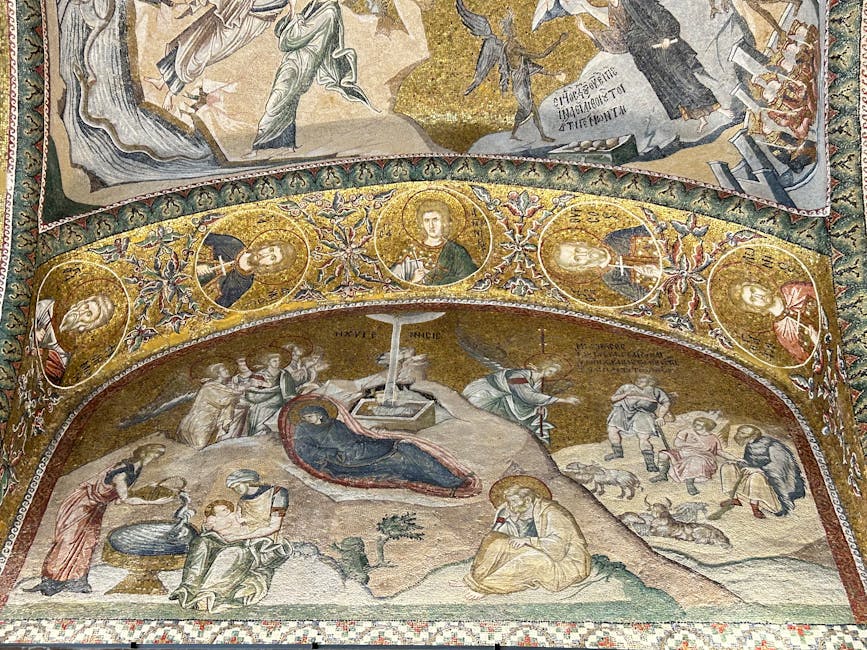
Local tips, accessibility, food and ways to extend your visit
Local essentials: the best light for Galla Placidia is in the morning (9:00–11:00) or late afternoon (4:00–6:00 outside winter months). Avoid midday when organised groups tend to arrive. For a more contemplative visit, book the first time slot or the late afternoon. Consider buying a combined ticket to save money and skip lines.
Accessibility: most central Ravenna monuments are walkable, but some, like Sant’Apollinare in Classe (out on the outskirts), require a short bus trip. Regarding mobility access: San Vitale and several sites offer adapted access, but the Mausoleo di Galla Placidia, due to its ancient structure, may have limitations — check in advance with the Ufficio Turistico di Ravenna (Ravenna Tourist Office). Audio guides and explanatory panels in several languages (including English) are often available.
Where to eat and rest: to round out the day try local spots. Recommendations: Trattoria La Rustica (Via XXI Aprile, 1, 48121 Ravenna RA) for simple Romagna cooking; Osteria del Tempo Perso (Via Aldobrandini, 9, 48121 Ravenna RA) for refined local produce. Average meal prices: €12–€25 per person depending on the venue. Cafés and gelaterie around Piazza del Popolo also make pleasant stops.
Ways to extend your visit: continuing to Sant’Apollinare in Classe (Address: Basilica di Sant’Apollinare in Classe, Via Romea Sud 224, 48125 Classe RA, Italy) you’ll find a stripped-back basilica with a monumental mosaic apse, reachable by local bus (about 20–30 minutes from Ravenna). Other options: the Museo Nazionale di Ravenna (Palazzo Rasponi) for archaeological context or a trip to the Adriatic coast if you want to combine art with some beach time.
Rules to observe: follow conservation guidelines (do not touch, no flash), respect any moments of worship, and avoid eating inside the buildings. For photographers: the interior demands a fast lens and respect for the limits set by guards; tripods are often prohibited. Above all, preserve the quiet of the place — ask guides discreet questions and keep your voice low.
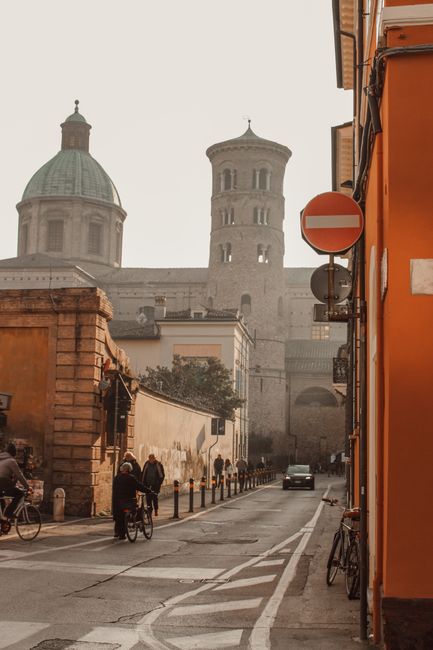
Conclusion: why Galla Placidia is a must-see
The Mausoleo di Galla Placidia is more than a monument: it’s a sensory experience. The contrast between the modest outer shell and the interior abundance of mosaic creates a lasting impression. This small building concentrates aesthetic and technical innovations that shaped Christian imagery in the West. It’s also a space that invites silence and reflection, where light traces timeless narratives.
Practically speaking, the visit can be done in half a day if you focus only on Galla Placidia and San Vitale, or stretched into a full day if you add the Neoniano Baptistery and Sant’Apollinare Nuovo. Combined tickets often save money and simplify logistics. For a full immersion, choose less crowded hours, check official times before you go, and consider a specialised guided tour to better decode the iconography.
Finally, Galla Placidia is a living reminder that the smallest artworks can hold the greatest spiritual and aesthetic ambitions. The mosaics here are not mere coverings; they are interfaces between the visible and the invisible, between the human world and symbols. In Ravenna, each gilded stone tells a collective story: power, faith and memory. Take your time, watch the gold catch the light, listen to the city around you, and let yourself be moved by the discreet brilliance of these millenary tesserae.
Practical summary: Mausoleo di Galla Placidia — Via Argentario 1, 48121 Ravenna RA. Indicative opening hours: 9:00–19:00 (high season) / 9:00–17:00 (low season). Single ticket: around €6; combined ticket: around €12–€15. Be prepared to walk, to admire up close, and to follow conservation rules. Enjoy your trip to Ravenna and the mosaicked light of Galla Placidia.